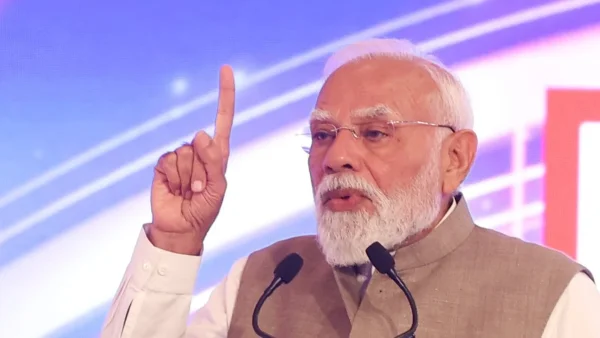
Every file is a story, he put it. That was the message PM Narendra Modi had for 183 IAS officer trainees in New Delhi on June 23, 2026: let the people be the anchor of what you do. He made a point of having them measure their worth by how they have bettered lives, not by the process or the post they hold.
There was no mistaking his intent. Administrative decisions need to be driven by a sense of responsibility and the ability to respond. With ‘Nagrik Devo Bhava’ in mind, he wanted the trainees to see the human side of every note they put down or signature they put on paper.
To the officers, a government file is more than red tape; it is where the hopes and hurdles of millions come to rest. In an official readout, the PM is quoted as saying they should find their reward in hard numbers and in knowing they have moved the country forward.
The 2024 batch, who are now Assistant Secretaries in various Central Government ministries, were in for an open exchange at Seva Teerth in the capital. They put some of their field and training experiences on the table as they step into jobs where they can make a difference in policy.
Citizen-first governance takes centre stage
Modi was firm on this: service is a promise to the public, not something you tick off. He wanted to see a brand of governance that is inclusive and has a pulse on the community, especially when you have to make a hard call.
Integrity and a bit of sensitivity are what you’ll be tested on in the real world. It was less of a moral plea and more of a professional benchmark for the group.
Data, tech and outcomes over process
Look at the last ten years and you’ll see the change, the PM said. We have moved on from being all about the process to being about the result. Digital governance and AI are making things more open and easier to get at.
Don’t just see data as figures. It is the life and aspirations of the people your policies are for. He told the officers to check if what is on paper is actually happening out there, and to fix it if it isn’t.
Joining up government to tackle big challenges
You can’t solve the kind of problems we face in a vacuum, Modi warned. He wants to see departments working as one to get some lasting done, instead of minding their own business.
It’s all about the long game and the ‘Viksit Bharat 2047’ dream. For the decades to come, he said, every move you make should be putting India on the path to development you can put your finger on.
Some of the issues on the table today need to be handled in unison across the board. Among them are:
– Manufacturing growth
– Aatmanirbhar Bharat
– Energy security
– Make in India
– Opening doors for the young
A new cohort at a pivotal moment
This is a defining time for the 2024 batch after their time in the field, according to the PM. What they decide will affect the future of crores of people, so he asked them to keep the public in view in their day-to-day.
Public service is a matter of looking in the mirror, he added. Let the outcome be your gauge of success, not the title on your letterhead or how many boxes you have checked.
Representation, participation and the road ahead
With over 40% of the room being women, there is a lot of potential here, Modi pointed out. He has no doubt their calibre will take us places, and that this kind of diversity is good for the way we think and act on policy.
Union Ministers Jitendra Singh, P K Mishra, T V Somanathan and Sriram Taranikanti were in on the conversation. The trainees put forward what they have seen in the ministries and on the ground, pointing to a move toward more evidence and coordination in how they govern.
The bottom line for the new officers is simple. Put the citizen first, put down your silos, and let the results speak for themselves. In the PM’s words, a file is a person’s stake in the system, and how you handle it is a test of that.