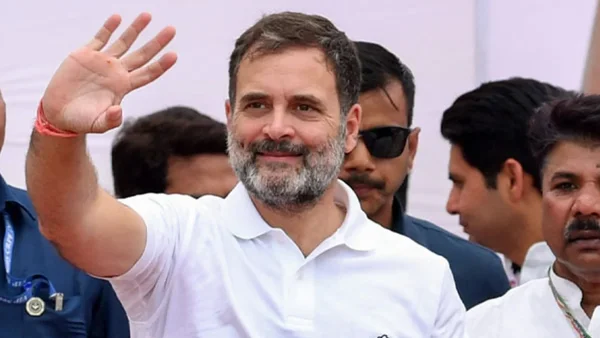
Gandhi is specifically claiming the BJP and the Election Commission of India enabled election theft in Assam and West Bengal. He thinks the results of the 2026 state elections are part of a pattern of the BJP doing this repeatedly. And as the counting of votes is finishing in important states and parties decide what to do next, these accusations raise serious doubts about the fairness of the elections.
Rahul Gandhi escalates charge
Gandhi agreed with Mamata Banerjee that lots of problems happened during the election, and said over 100 seats in Bengal were essentially taken by someone else. He believes Assam and Bengal are examples of something he has seen happen many times before.
In a post on social media, he said the election in Assam and Bengal was stolen with the Election Commission’s help, and connected this to what happened in Madhya Pradesh, Haryana, Maharashtra, and the 2024 election for the national parliament (Lok Sabha). He was very critical, calling it both election theft and institutions being stolen.
Allies, rivals, and shifting equations
It’s worth noting that Rahul Gandhi previously criticized Mamata Banerjee’s government, saying her policies allowed the BJP to become more popular in Bengal. The fact that he’s now supporting her shows how important these election results are and how the opposition parties are trying to appear to be working together.
Jairam Ramesh said Rahul Gandhi spoke to Mamata Banerjee and M.K. Stalin after the results came in, and congratulated Thiru Vijay, the president of the TVK party, on their success. This contact between these opposition leaders, with the results being what they are, shows they are coordinating with each other.
Banerjee’s stance and BJP’s win in Bengal
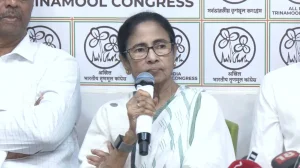
Mamata Banerjee said the BJP’s big win in West Bengal was unfair and that they took the win in over and vowed to come back, indicating the struggle for power in the state will continue.
Congress weighs results, sets next steps
While raising worries about Bengal and Assam, the Congress party pointed to a positive result in the south. Jairam Ramesh thanked people in Kerala for giving the UDF a very large victory and said Congress will take this win seriously and act responsibly.
He admitted the results in other places weren’t as good as they’d hoped, but said the party is still devoted to its beliefs. He explained a thorough look at the election results will happen, and that people observing the election have already been sent to Kerala.
The party outlined immediate priorities for follow-up and accountability checks:
– Conduct a detailed review of results
– Deploy observers to Kerala
– Persist with the ideological battle
What the vote count shows so far
The counting of votes for the 2026 state elections started at 8 am in 823 voting areas across West Bengal, Tamil Nadu, Kerala, Assam and Puducherry. First they counted postal ballots, then from 8:30 am they started counting the votes from the electronic voting machines.
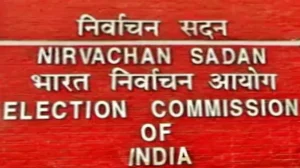
The election results were updated immediately on the ECINET system and the Election Commission’s website. Because of the opposition’s claims, how open and transparent the Election Commission is being is now being looked at even more closely.
Why the allegations matter
These claims place the fairness of India’s official organizations right at the center of the political fighting. If people who support the opposition believe them, it could make each party more firmly set in their views, make a smooth change of power harder, and cause more demands for people to watch over the process.
For people who voted, these arguments go against what they expect to happen – a fair process and a clear outcome. For the Election Commission and the BJP, this is a serious test of whether people believe in them, and the opposition has said they will look at the election and continue to fight for their ideas instead of quickly accepting the result.