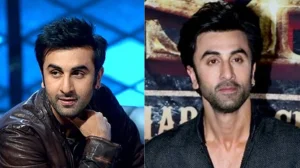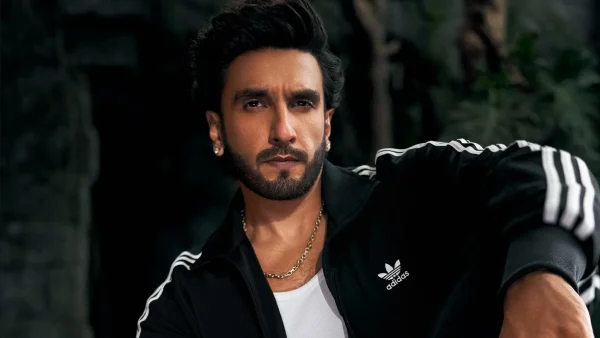
You could say Ranveer has made his way to the top of the pay ladder in India, with names like Shah Rukh, Allu Arjun and Rajinikanth in his rearview. The word on the street is that after Dhurandhar’s Rs 3200 crore run-up around the world, a no-nonsense deal has netted him an estimated Rs 325 crore, and in doing so, he’s rewritten the rules for how actors are compensated here.
A blockbuster payday reshapes the leaderboard
If you listen to the reports, this is as high as any Indian actor has ever been paid for one film. At Rs 325 crore, by most trade figures, it is something of a turning point for star pay and the kind of backend-heavy pacts we’re starting to see more of.
It all comes down to the size of the franchise. Put the two Dhurandhar movies together (they were shot as one) and they have put up a worldwide gross of Rs 3200 crore, with over Rs 1900 of that coming in as net in India. It is the kind of haul you don’t often see from a Hindi-led property, and it is what has fuelled Ranveer’s windfall.
How a profit-first bet paid off
He turned down the usual kind of upfront money and made his income contingent on the profits. When the costs of making the film went up, he even chipped in some of his own to make sure he had a bigger piece of the pie later on. In a way, he put his money where his mouth was and tied his fortune to the film’s bottom line.
Once you factor in the distribution, a theatrical bonus and the non-theatrical side of things – digital, satellite, music – you get to the Rs 325 crore figure. Jio Studios and Aditya Dhar’s B62 will have seen the bulk of the overall take, but for the cast, Ranveer’s is the biggest by far, and a new standard for the country.
A changing market, not just a lucky break
Stardom has always come with its own set of economics, and it has gone through its phases. Back in the 90s, a crore per movie was the ceiling, and Chiranjeevi, Kamal Haasan and Sridevi were the first to hit it. Then a 10-crore offer was cause for some excitement. The Khans came along and took both fixed and backend fees to places they hadn’t been before.
Then you had the pan-India wave. With Baahubali, KGF, Pushpa and RRR, regional stars became box office powerhouses. You have Rajinikanth, Yash and Allu Arjun with price tags of over Rs 200 crore. But the real money has been in having a stake in the project, not just in the salary.
Hollywood has been showing us the way for a while. Tom Cruise, Robert Downey Jr. and others have made their wealth from a share of the profits, not a flat fee. We are following suit now; producers like the idea of a smaller upfront and an actor who is willing to put some skin in the game for a better return.
Why this matters for rivals and producers
On the studio side, it is about not burning through cash before the film is out the door, and being able to put that into the product or the ad campaign. For the talent, if you have a hit, a deal like this can be life-changing, as it has for Ranveer with Dhurandhar.
The numbers were different before. This was the order of things not long ago:
– Rajinikanth: over Rs 250 crore for Jailer (2024)
– Allu Arjun: in excess of Rs 200 crore with Pushpa 2
– Prabhas: past the Rs 200 crore mark for Kalki 2898 AD
– Shah Rukh Khan: some Rs 200 crore for Pathaan
– And another Rs 200 or so for Jawan in 2023
Now 2026 is being redefined. He has given us what is being called the franchise of the age and, by all accounts, the single largest check an Indian performer has ever been written. That makes him more than a safe pair of hands; he is setting the pace for everyone else.
What comes next for star pay
We will likely see more of these hybrid kinds of deals, with the upfront pared back and bonuses that only come once you’ve made your money back. The way Dhurandhar was put together is a case in point: you bundle in the distribution and the other rights to give the producer some cover and the actor a nice reward if the film takes off.
Will it put an end to the old way of haggling over fees? We’ll have to wait and see if the next big tentpoles follow in Dhurandhar’s footsteps. For the time being, though, Ranveer’s Rs 325 crore, on the back of a global hit of 3200 and a 1900 at home, is the number to beat.