For women with PMOS, there is a stress-hormone cycle that makes things worse; yoga can put a stop to that, according to those in the know. Indian clinicians are making their case for an approach that doesn’t just rely on medicine but has steady yoga in the mix, especially with 21 June coming up as International Yoga Day. And with PCOS being rebranded as PMOS in 2026, it’s been made clear this is a whole-body issue, not one confined to the ovaries.
Why stress fuels PMOS symptoms
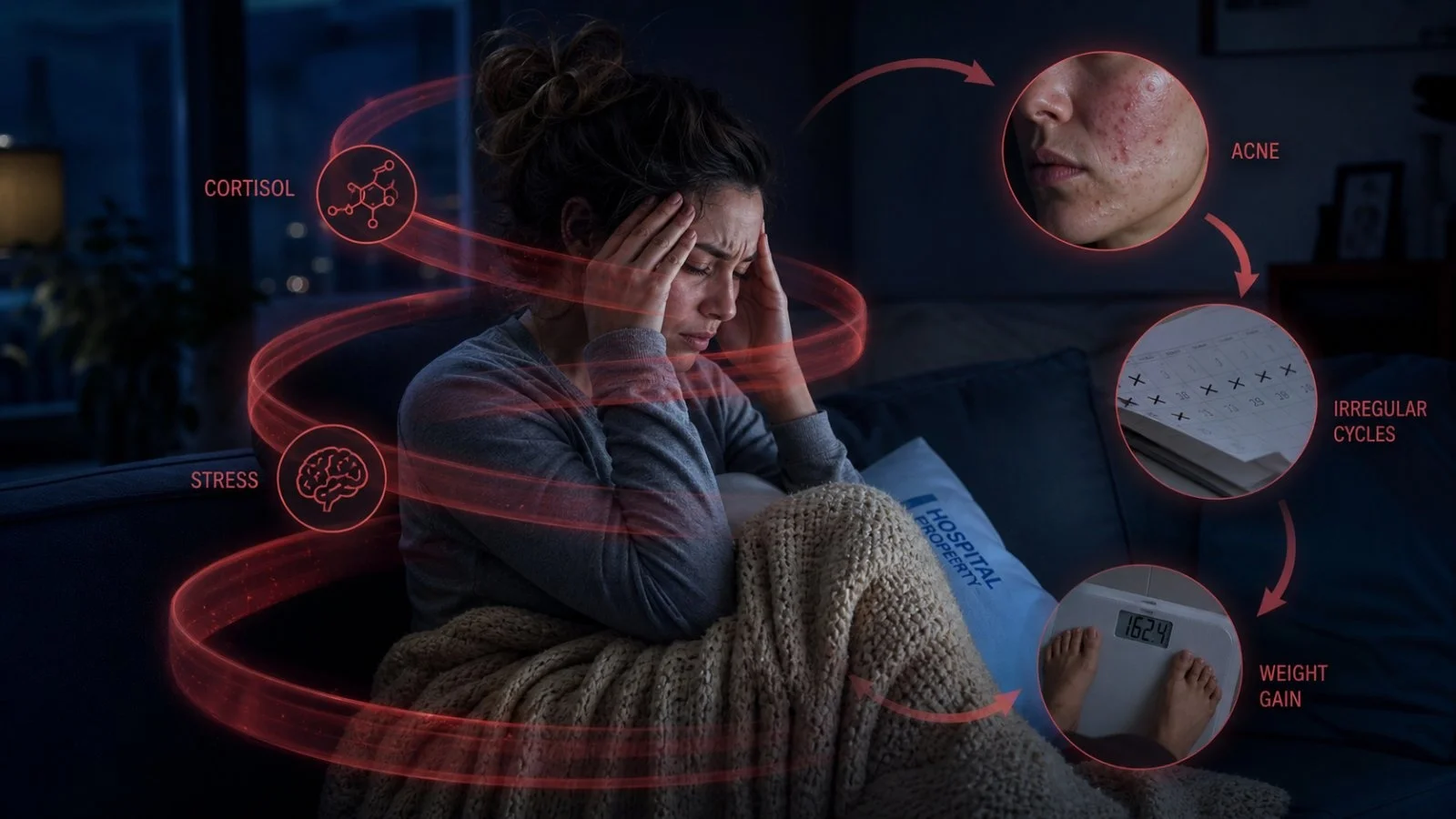
When you have chronic stress, your body puts out cortisol. That can make insulin resistance – a big part of what drives PMOS – more of a problem. You get more insulin resistance and androgen levels go up, and you’ll see it in the form of acne, periods that don’t come on time and putting on weight. It becomes a loop that is hard to break.
Then there is the mental side of it. A lot of women have to deal with anxiety, low moods, trouble sleeping or just not feeling right in their own skin. Your emotions and your hormones end up feeding off each other, which makes managing the day-to-day and any kind of recovery a bit more of a chore.

Experts push for integrated care
You have to look at PMOS as something that is both physical and mental, says Dr Rabindra Mohan Acharya from VYASA Delhi. He is for having your medical treatment but also for making room for stress relief, yoga and a change in habits to get back to some kind of equilibrium. In his view, yoga is no afterthought in a complete PMOS regimen.
Over at AIIMS, Professor Dr Rima Dada will tell you that your psychological state and your hormonal health are two sides of the same coin. She is in favour of adding in some yoga and meditation to the usual medical routine to see better results, in every sense of the word, for her patients.

Yoga as non-drug support
Dr Ishwar V Basavaraddi of the Morarji Desai National Institute of Yoga sees it as a no-nonsense, science-based alternative to pills for dealing with the stress factor. Do your asanas, your pranayama and some meditation and you’ll find you can handle stress better and be more resilient. It all helps keep your metabolism and hormones in check.
Do it with some discipline and a decent diet, and you might notice you’re sleeping better and your life in general is a little easier. But the line is drawn: yoga is there to back up what the doctor says, not to take its place.
What research signals so far
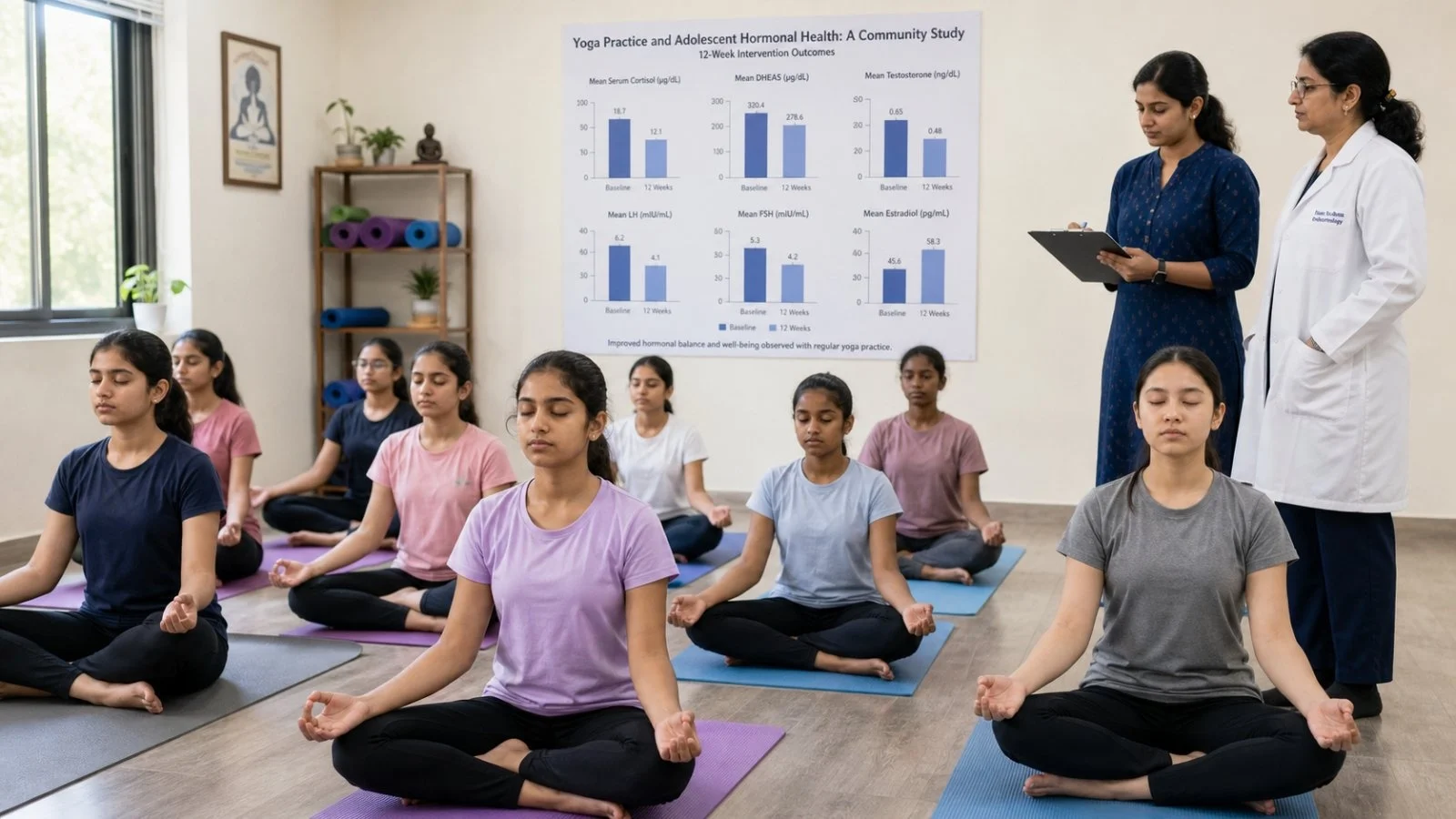
Some work out of AIIMS, in the Journal of Alternative and Complementary Medicine, showed that a bit of structured yoga could do the trick for young girls with PCOS, bringing down anxiety and tidying up some of the hormonal numbers. It makes a strong case for using it as an add-on to what you are already doing.
That kind of proof is why you’ll hear from specialists to have yoga in your care plan, with a clinician in the loop. The idea is to be at it steadily and set some down-to-earth goals to put the brakes on stress while the medical side of things is taken care of.
The shift from PCOS to PMOS
Come 2026 and the name is polyendocrine metabolic ovarian syndrome. It’s to show that it’s not just the ovaries at play but a host of endocrine and metabolic systems. For the millions of women who have it, that new label is a good reason to think about the whole person.
Dr Dada is of the mind that with this wider view, you can’t do without an integrated model where yoga and stress control are a must. Dr Kadambini Acharya of VYASA Delhi points out that women tend to fixate on what they can see and let the mental toll slide. A daily dose of yoga and some quiet time can put right the physical and reproductive issues too.
When you put it all together, here is what the experts say works:
– Medical treatment
– Healthy nutrition
– Regular exercise
– Adequate sleep
– Yoga and meditation
– Stress management techniques
If you are up against irregular cycles, acne or the like, you can turn a corner by not letting stress have the upper hand. Some breathing and mindful movement is a good way to even out the cortisol that is driving up your androgens and insulin resistance, and in turn, the flares that come with them.
It is the consistency you have to be after, not how hard you go. A little asana and pranayama on a regular basis will build up your resilience. It makes it simpler to stick to your medical plan, have the energy to move and get a good night’s rest. The small things you can do over and over again are the ones that last.
Don’t be under the impression that yoga is a panacea, the experts will warn. You are looking at some long-term adjustments to your routine. When you combine the stress relief from yoga with the right food and enough rest, you are building something solid for your metabolic and hormonal health.
So as 21 June comes around, the message is a practical one: don’t treat stress as an afterthought in PMOS. With some regular yoga to go along with your medical care and the way you live, you can start to unwind that stress-hormone tangle and be in a better place down the road.