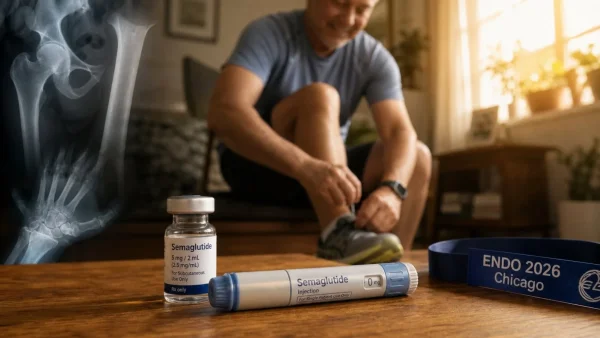
You may have heard of this particular drug for diabetes and weight management, but there is a new angle to it. At the recent ENDO 2026 in Chicago, we were shown data that type 2 diabetics on semaglutide had about 15% less chance of a break than those on a host of other weight-loss options, and they did so while actually losing more weight.
That would put to rest an old concern. We tend to think of quick weight loss as hard on the bones, but the numbers here say otherwise. For an older person, not having to deal with a fracture is the difference between being on your own and a long, arduous recovery.
Why this matters for everyday health
A broken bone is more than a nuisance. Whether it’s a hip, a wrist or the spine, it can upend your life, put a dent in your finances and make work or looking after family a lot harder. A way to handle your weight without the added risk of a fracture is something many patients could use.
It also puts a different spin on things. You don’t have to assume that being slimmer makes you more of a liability; doctors may be in a position to look at which of these drugs are kinder to your bones.

Inside the research
The team behind the study went through the files of some 60,000 type 2 diabetics from 2016 to 2023. They put semaglutide up against the likes of dulaglutide and some of the oral pairings you’ll see, like phentermine/topiramate or bupropion/naltrexone.
They made sure to zero in on adults with no history of breaks and who weren’t on osteoporosis meds. Of the 26,000-odd on semaglutide, 794 had a fracture. In the other group of 33,000-plus, it was 1,045.
Weight loss results stood out
Then there is the matter of body mass index. The ones on semaglutide put up better numbers in that regard too. So in one and the same analysis you have people with more to show for their weight loss and fewer fractures to report.
For a clinician or a patient, that is a hard thing to ignore. It ties into what you want from a treatment: to be able to move and be active.

Key numbers at a glance
Here is what the data boiled down to:
– Some 15% drop in fractures with semaglutide
– Almost 60,000 type 2 diabetics in the mix
– Health records from 2016-2023
– Put on display at ENDO 2026 in Chicago
– Better weight loss than a few of the others
What the results do and do not say
Don’t read too much into it just yet. The experts are pleased with the findings, but since they are based on a review of past records, you can’t say for certain that semaglutide is what is shielding the bone.
We will need to see some forward-looking studies to be sure. For the moment, consider it a signpost rather than a given.

How to use this information now
If you are on the drug or mulling it over, the study is some comfort. What we have so far is that you won’t be shouldering more fracture risk to get the weight off.
But don’t let this be the only reason to alter your course. Have a word with your doctor about what makes sense for you and your situation.
The broader picture on modern weight-loss drugs
This is part of a larger talk we’re having about how these newer regimens hold up over time. The scale is only part of the story; being able to get around and live well is what counts.
Should this be born out by more work, it will likely be a factor in how prescriptions are written, particularly for the elderly or anyone with bone concerns. Until then, we are left with a healthy dose of optimism and a wait for more hard evidence.
Put simply, the study is a nudge against the thinking that you can’t have your cake and eat it too when it comes to weight and bone density. With semaglutide showing both, we have a good opening to talk about what to expect from today’s medicines.