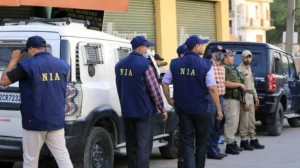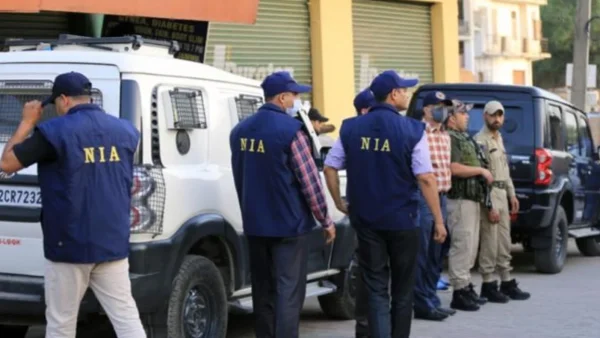
It’s been a year since the Pahalgam massacre, and the National Investigation Agency is painting a hard-edged picture of the new reality: drones were running in with arms and money to Kashmir unimpeded, while a wane in human intelligence gave the perpetrators room to operate. You can see in the 26 deaths from the April 22, 2025 hit where the old ways of doing things and some avoidable lapses left us open.
When you put the pieces of the cell’s movements before the attack back together, you see they made their way through the towns and the mountains without setting off any early warnings. Those who have gone over the chargesheet will tell you that between 2022 and 2024 we put too much stock in technical means and not enough in the people on the ground, and the plot was allowed to run its course.
The NIA’s take on the attack
Twenty-six are no more after the strike on the Baisaran meadow, a spot popular with tourists; the majority of the victims were out of town for the day. In the wake of it, the forces went in with Operation Sindoor and put an end to the terror setup on the other side of the border.
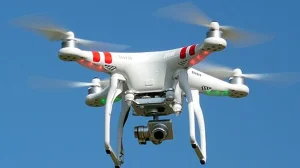
You don’t see handlers sticking to the well-trodden LoC paths anymore, the NIA says. They’ve taken to UAVs to get past the cordons and put down what the modules in Baramulla, north Kashmir, need, be it hardware or cash.
Making Gogal Dara the hub for drone runs
There’s a reason the Gogal Dara woods in Baramulla are a go-to for drop-offs, officials will have it: you can see them from over the border. Back in early 2024, the group was made a delivery there of 20 pistols, Rs 15 lakh and some triangle bombs – Chinese grenades, to be precise.
It’s a way to get the supply chain well into the hinterland and save on time and trouble for the ones in charge. It also puts a dent in the kind of perimeter security that is used to making its play near the LoC.
Where we let up on intelligence
If you ask an analyst, they’ll point to the fall-off in local assets over the last few years, with a good number of sources left behind in 2022-23. That has meant we haven’t had the kind of steady comms infrastructure to put good, workable intel in front of us.
So when the NIA describes the terrorists making their way through the passes and the city with nary a raised eyebrow, it only adds to the talk about how we’ve been favouring the sensors at the expense of the scouts. In the absence of any interference, that void made it possible for the targets to be scouted, for supplies to be put in from the air and for the job to be done, as some would have it.
But there are some glaring omissions, according to those in the know:
– A thinning of HUMINT from 2022 to 2024
– A lot of sources let go in the 2022-23 period
– Poor comms that got in the way of field reports
– Too much of an emphasis on the technical side of things
The paper trail: what, where and when
If you look at the forensics, the Baisaran spot was put in the AlpineQuest app, with screenshots from the 15th and 16th of April. Then comes the attack on the 22nd – a very short window between the recce and the action.
The NIA has put out word that the phones involved in the operation were from Karachi and Lahore. We’re talking about an orange RedMi 9T and a black RedMi Note 12, both of which were found on two of the terrorists we put down in a July 28 run-in.
What’s on the handsets tells us they were put in the hands of Pakistan via Xiaomi in 2021 and 2023. The 9T, for one, was brought in by a firm in Karachi, Tech Sirat Private Limited, before being passed on.
And then there are the three who were part of the plan and ended up in the crosshairs of Operation Mahadev on July 28. Their names are in the case file, and they link back to the kind of plotting you see in the device data and the maps.
On the ground and what comes next
You can read in the chargesheet that Parvez and Bashir Ahmed Jothar, both of them tourist guides, had the perpetrators in their sights in Baisaran and said nothing. They’ve been taken in. The NIA also has it down that the day before the shooting, a trio of the men called on Parvez at his hut for some bread and veg.
When it was all over, the charge sheet says, the gunmen let off a few rounds in celebration and chanted. It was a religiously motivated hit, and 25 tourists and a local paid the price.
Then you have the experts making the case for a change in how we reach out. They want to put some good will back into the Gujjar and Bakerwal tribes. With 23 lakh people between them, they’ve been the eyes and ears of these mountains for a long time. But you can’t have security if you have mistrust, and that’s been the case in parts of the Pir Panjal and Jammu while the militants make use of the high ground.
For now, the security side of things is about getting the right people in front of the right tools, rethinking how we handle the ridges and being more aggressive with counter-drone work, not just near the border. You have to put the early warning system back in place.
So, in light of the chargesheet, here is what the experts are calling for:
– Mending fences with the Gujjars and Bakerwals
– Getting HUMINT lines of communication back to where they should be
– More eyes on drones, even past the LoC
– A fresh look at tactics for the higher sanctuaries
The NIA has made it clear the Pahalgam incident wasn’t an isolated blunder. It points to a move towards UAV resupply and a decline in the kind of intel you get in the field. With Operation Sindoor in the books and the investigation on, it’s a matter of putting together the pieces: local rapport, better defences and quicker reporting from the ground.