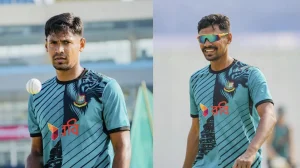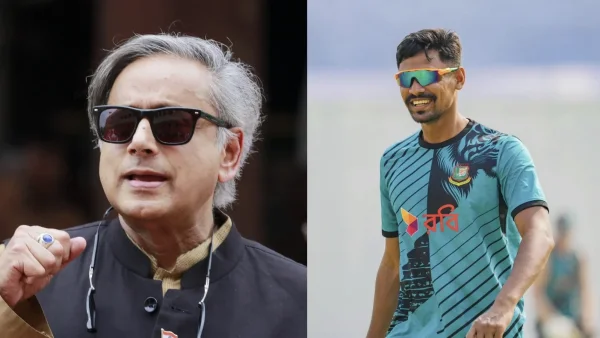
The choice to buy Mustafizur for 9.2 crore rupees caused anger because of the bad relationship between India and Bangladesh, following the murder of a Hindu man in Mymensingh. Some people thought picking a player from Bangladesh gave the wrong idea, however others felt the IPL’s choice was a professional cricket decision, with nothing to do with politics.
Tharoor made the point that there are no personal accusations of Mustafizur saying things that stir up hatred or supporting violence. ‘He’s an athlete, and to join up these two things isn’t right at all,’ he explained to the press. The MP was sure that if people have worries about human rights, they must go through diplomatic ways to get things changed, and not through stopping people from taking part in sports.
Tharoor cautioned against using sports boycotts as a way of protesting, saying that cutting off neighbouring countries would not help to solve the real issues. ‘If we become a nation that cuts off all our neighbours and says no-one is playing with them, how does that help anyone?’ he enquired, asking for a sensible reaction which mixes understanding with practicality.
His words show a wider discussion about sports diplomacy: is sport a way to protest, or does it give a rare chance for people to make contact with one another? Tharoor likes the latter, suggesting that diplomatic pressure on Dhaka should continue, while still keeping sports ties to ensure communication doesn’t stop.
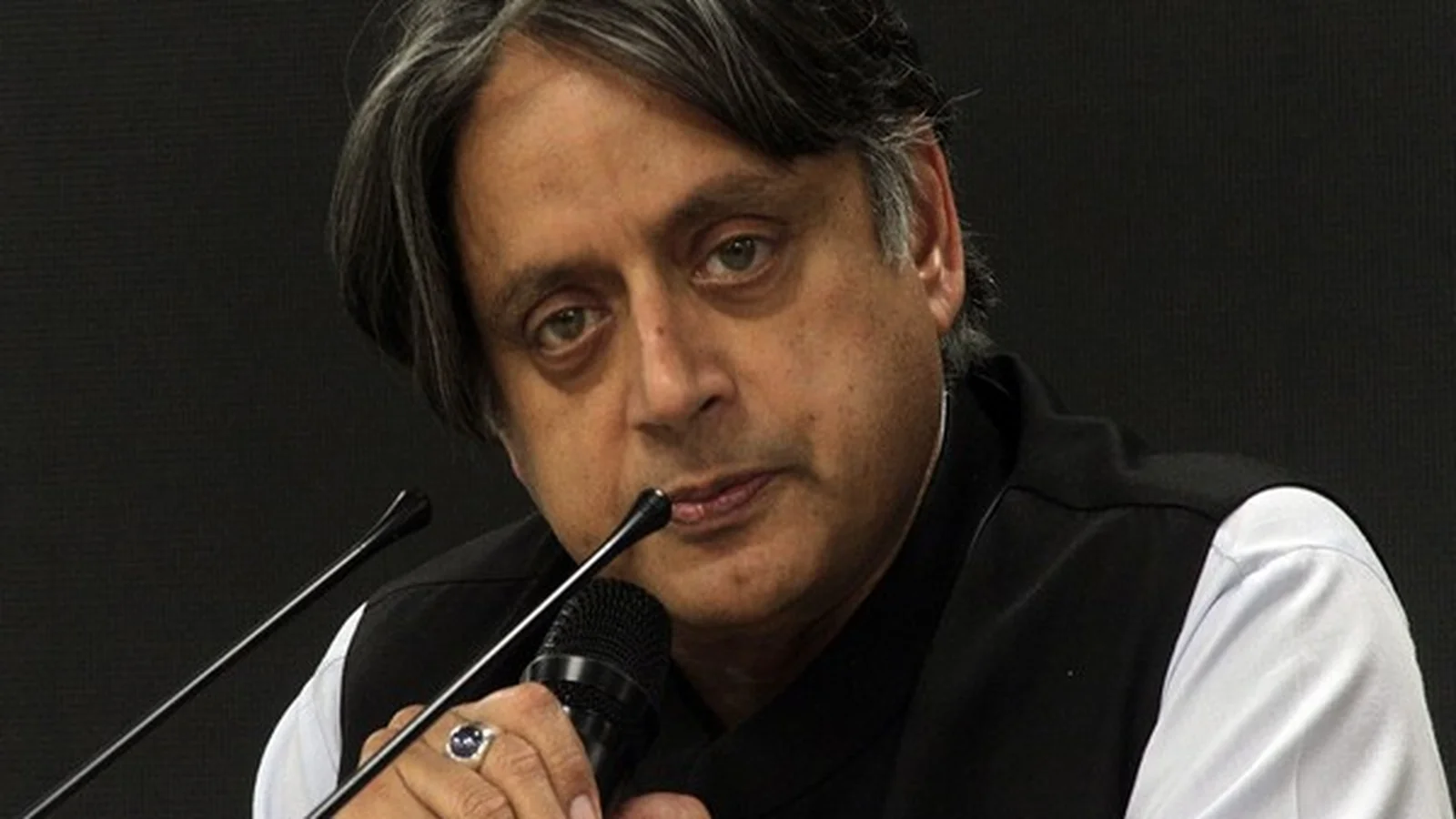
The reason sport and politics ought to be kept apart
It’s also difficult to call for boycotts for practical reasons. International cricket, and leagues like the IPL, rely on players from other countries, broadcasts, and business deals. Completely excluding countries might punish athletes who have nothing to do with political choices, and reduce options for teams and fans.
The KKR decision started up questions about what teams, fans, and important people in public life should do. Teams often claim that choices are professional, depending on skill, how well someone is playing, and what the team requires. For many players, leagues are a way to earn a living and get better known – not political statements.
Tharoor called for ‘a generous heart and a clever mind’ in dealing with tough issues between countries. His position combines beliefs with being sensible: continue diplomatic pressure to protect minorities in Bangladesh, but don’t use sport as the main way of doing that.
Social media made the argument bigger, with discussions from moral protest to defending the freedom of sport. The reaction online shows how quickly local events can start off international talks, especially when well-known leagues and people are involved.
What happens in the future depends on what politicians want and what people think. People who make policy must balance what is morally right with the practical good of people making contact with each other through sport. Sports organisations and team owners will also need clear rules about when – if ever – politics should affect who is in a team.
Tharoor’s involvement asks for a careful approach. He doesn’t make light of worries about the safety of minorities, or agree to silence; instead, he suggests diplomatic contact along with a deliberate decision to allow sport to be a place for competition and getting on with one another.
Keeping cricket separate from problems at state level does not mean ignoring human rights. It understands that athletes and sports events can sometimes build relationships, while governments still seek to make people answer for their actions using official methods. This balanced way may be the most useful path for cricket, diplomacy and relations in the area.