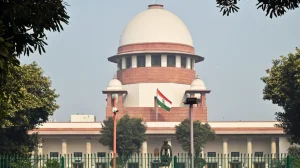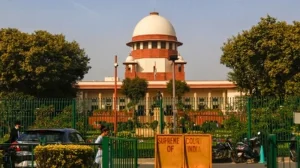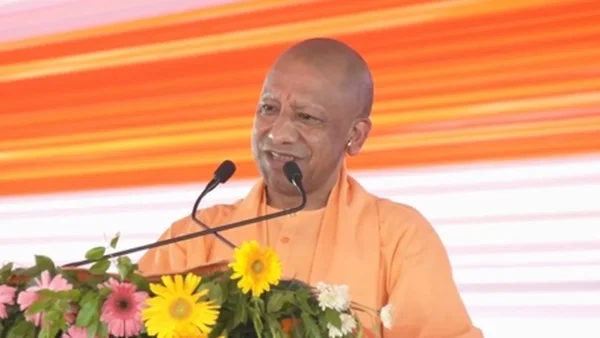
Representing a cross-section of students, teachers and parents, senior counsel Mukul Rohatgi made his case before a bench of Chief Justice Surya Kant, Justices Joymalya Bagchi and Vipul M. Pancholi. He put the court on notice of the potential for ‘chaos’ on campuses and asked for the matter to be heard with some alacrity. The bench was amenable and will list the plea during its miscellaneous week.
What the CBSE policy mandates
At the heart of the issue is a May 15 circular from the CBSE. It spells out a new order of things: as of 1st July 2026, Class 9 pupils will have to study three designated languages (R1, R2, R3). You can have a foreign language in the mix, but only if the other two are Indian; or you can make the foreign tongue a fourth, optional subject. And to put minds at ease, the board has said the third language will be an internal school affair, not something that shows up in the board exams.
Why schools and students are worried
But the petitioners see it as a mid-course correction that throws off academic plans. “I do not know how a student of Class 9 can suddenly take two more languages and give exam in 10th,” Rohatgi said, deeming it unworkable for those already in the system.
Then there is the nitty-gritty of running a school. An extra language means you need the right kind of teacher, a reworked timetable and some hand-holding for kids on a new curriculum. In under-resourced institutions, there is little room to manoeuvre.
Here are the immediate pressure points institutions are mapping out:
– Staffing for additional language periods
– Timetable rebalancing without shrinking core subjects
– Bridging support for late starters
– Communication with parents on choices and impact
Rohatgi has put in for an early slot on Monday, pointing to what this means for lakhs of students across the country. The Chief Justice has given the go-ahead for a hearing next week, which will put a fine point on whether the CBSE’s vision is in step with what schools can actually deliver.
Policy intent versus classroom reality
On paper, the framework is meant to get kids more in touch with Indian languages without piling on board-level stress. In practice, though, you run into limits. There are not enough teachers for some of these languages in every part of the country, and schools have to figure out how to be compliant while not losing their learners.
Timeline and immediate takeaway
It all started with the notification in May, and now it is in the hands of the judiciary. With the 1st of July 2026 date in the offing, it is worth for schools and parents to keep an eye on the proceedings. A word from the top court could very well shape timetables and staffings long before the new rules are in full effect.