You could say this is more than just a matter of revenue. A permanent fee from Tehran would change the rules of the road for a fifth of the world’s oil and LNG. It puts a price tag on a strait that has been in a state of flux due to war, high energy costs and the spectre of inflation.
What Iran is proposing
The Iranian ambassador to France put it plainly: Tehran and Muscat should be putting their heads together to see to the security and management of the strait. “There is a cost to these services,” he said, “and those who make use of them should put in their share.” He was at pains to point out that any such arrangement would be done in the open.
He sees the plan as a way to get at the heart of what is making things so unstable. For its part, Oman has not put in an appearance to say whether or not it is in on a permanent deal with Iran.
Why it matters for markets and shippers
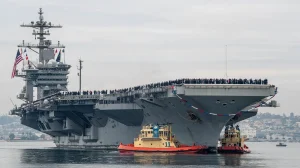
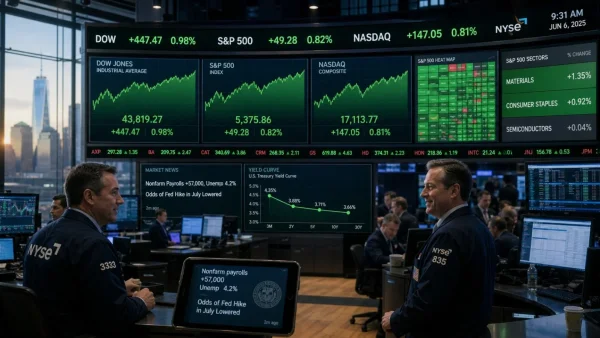
It has been a tight spot since the fighting ratcheted up in late February. With Iran being selective about which vessels to let through and the US running a blockade on Iranian ports, traffic has dried up. That in turn has driven up the price of energy and spooked bond markets.
Tehran is holding firm: no full re-opening of the waterway until the US calls off its naval cordon. The ambassador says 26 ships made it across over a couple of days last week with the IRGC’s help, though before the war you’d see 135 or so a day.
Shippers have their own take on why the flow has ground to a halt. The envoy will have you believe it is the insurance; operators are pointing to the threat of missiles, drones and mines and saying they won’t go in until the hostilities are over.
New rules and contested authority
Then there is the matter of jurisdiction. Iran has put in place new rules of passage through the Persian Gulf Strait Authority. Some seafarers, the ambassador has related, have been asked for as much as $2 million for safe conduct.
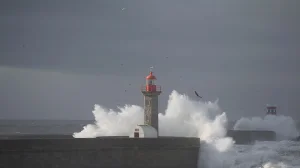
Geographically, the strait is a 24-mile-wide (39 km) link between the Persian Gulf and the Indian Ocean, with Iran on one side and Oman on the other. In normal times, it is where a fifth of the world’s oil, LNG and other goods like aluminium and fertilisers are moved.
Pricing, partners and pushback
Iran claims that nations like China and South Korea have been in touch with the IRGC navy to get their vessels through. They haven’t confirmed it, and Iran won’t say if they were put on the hook for any fees.
Governments and industry have drawn red lines:
– US, Europe and Gulf states reject Iranian control
– UAE oil chief warns of a dangerous precedent
– Oman has not commented on the talks
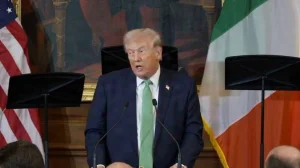
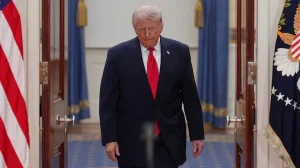
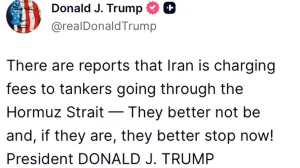
– President Donald Trump sent mixed signals
Political reactions and industry alarm
Not everyone is on board with the idea. US, European and Arab officials, the Saudis included, will tell you that Iran has no right to be in charge of what has long been considered international waters. The chief of the UAE’s top oil company has been blunt: if you let Iran have unilateral control, you are done with freedom of navigation.
“It is a dangerous thing to set in motion,” he said. “If we don’t stand up for the open seas now, we’ll be putting out fires for ten years.” You can hear the worry in that from both the buyers and the producers.
Even President Trump has been all over the map on it. One minute he is musing on the possibility of the US levying its own fees, the next he is telling Iran to think twice about a toll. At one stage he even put forward the notion of a joint venture.
Ceasefire, diplomacy and what comes next
On April 8 the two sides put in place a ceasefire and have been in contact through Pakistan to talk peace. But with both ready to pick up where they left off, it is a tenuous truce.
Tehran is making it known it wants to hold a tighter rein on the strait when the war is done, as a way to keep future attacks at bay and to put some money in the till for an economy that has taken a beating. A formalised toll would be the capstone on that.
The ambassador has tried to put a lid on the rancour with the UAE and the kingdom, calling the strikes on their bases a response to what was done on Iranian soil. “We can clear up the misunderstandings once the shooting stops,” he said.
He also thinks the US has been too hasty in writing off Iran, thinking a few days of sanctions and an embargo would do the trick. “They thought we were some kind of Venezuela,” he said.
For those in the market, the path ahead is in black and white. You either have a workable system that doesn’t come with one-sided charges, or you have a toll that makes every barrel and cargo a bit more of a risk. We will have to see what comes out of Muscat and Tehran to know how it is going to be.