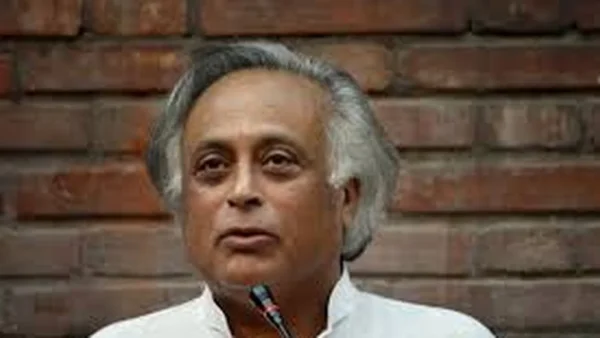
It’s a fresh angle of attack on the Centre: why is it that when there are key developments for India, US Secretary of State Marco Rubio is the one to put them on the record? After this latest tiff, Congress wants to know what else the US has up its sleeve for India’s external affairs.
Take the case of two decisions with an India link, as put forward by senior leader Jairam Ramesh. He says Rubio made them public before we had any word from our side. There’s even a video of the Secretary of State in Miami talking about his trip for the Quad and the plans of the Venezuelan president.
Ramesh was specific with his numbers to make his point. At 5.37 p.m. on May 10, 2025, he says, it was Rubio who broke the news on the end of Operation Sindoor. And he didn’t stop there; he also let it be known that the head of state from Venezuela would be in town next week, well before either country had put anything on paper.
For readers tracking the timeline, Congress points to two specific instances as examples:
– Operation Sindoor halt revealed at 5.37 PM on May 10, 2025
– Venezuelan president’s India visit made public ahead of New Delhi
A visit tied to a conservation launch
The plan was for the Venezuelan president to be in New Delhi for the International Big Cat Alliance, but with the Ebola situation in Africa, that’s been put on hold.
Why the timing triggers political heat
For Congress, this is about more than just how things look; it’s a question of proper diplomacy. You can’t have your engagements being announced from somewhere other than New Delhi. As the opposition puts it, the messenger counts. If a foreign power is the one to confirm an Indian move or visit, you lose some of your grip on the narrative and the timing.
What Congress wants answered
“What else does the US Secretary of State have in store for Indian foreign policy?” Ramesh asked. He doesn’t see this as a one-off but a habit that makes you wonder about the level of coordination.
Miami remarks widen the debate
The remarks from Miami were the flashpoint. Ramesh is pointing out that the US has been the first to talk about everything from the Quad to the Venezuelan president. They say it shows a communication void the Centre needs to fix.
Implications for India’s diplomatic messaging
In the world of foreign policy, who gets in first can set the tone with your partners and at home. Early signals from Washington can make it hard for India to fine-tune its messaging, especially when you’re dealing with sensitive matters or a crisis in the making.
What comes next
Now it’s up to the government to come clean on whether all these US-first reveals were part of the plan or not. You can bet Congress won’t let up until the Centre has a protocol in place. The real issue is whether New Delhi will get its act together so that it’s us, and not a foreign capital, that decides when and how to put out the word.