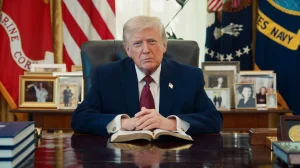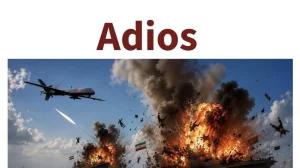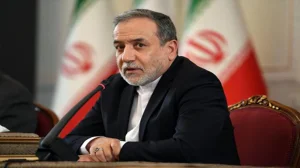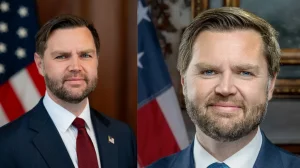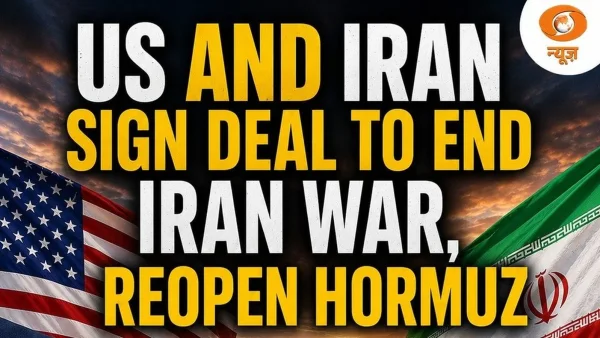
It is a hard-edged kind of accord with Washington. Iran has made its position known: they will work to open up shipping and cool off tensions, but not at the expense of any political capital. The 60-day clock for these talks is now running.
Domestic calculus and red lines
Mojtaba Khamenei, the Supreme Leader, was open to the fact he had some misgivings about the MoU with the U.S. at first. He only gave it the go-ahead once President Masoud Pezeshkian and his security team put it in writing that they would stand up for ‘the rights of the Iranian nation and the Resistance Front’.
Khamenei is clear that talking to the Americans is not the same as agreeing with them. He has put out a warning that Tehran will put its foot down if there are any ‘excessive demands’, making it plain that sitting down for talks is just a process, not a nod of assent.
What the framework does now
We are already seeing some of this in action. The U.S. has called off its naval blockade of our ports and coasts. For its part, Iran is moving to let the Strait of Hormuz be used for business as usual, harkening back to pre-war days.
In a sense, the deal is done. It is being put forward as the foundation for putting an end to the months of hostilities. Don’t be surprised to see both sides in Switzerland in the next few days to keep at it.
The 60-day window and core agenda
This is where we are: a two-month period to get down to the nitty-gritty on nuclear, security and technical files. For the officials, it is a way to see if a real, workable peace is in the cards.
There will be more of those in-person sessions, but from Tehran’s side, showing up doesn’t mean you’re on board with the U.S. line. Khamenei said the word from the president and the Supreme National Security Council was what made the difference in his decision.
Signals from Tehran and Washington
In a note, Khamenei put it down to ‘sincere concern and goodwill’ on the part of the negotiators. He also let on that it took all the leverage in the book from Donald Trump to make this happen, so the road to the MoU was no walk in the park.
He also made a point of saying that Pezeshkian, as head of the Supreme National Security Council, is on the hook for looking after national interests. That was the condition for the green light.
Over in Washington, V.P. JD Vance is calling it a first move in the right direction. He hints there is more to the story than what is in the public eye, and that this is going to be a matter of degrees.
Implications and next steps
For now, the most you can see is the change at sea: the lanes are opening and the navies are standing down. But in Tehran, the bottom line is still about sovereignty and the ‘Resistance Front’.
Stakes are high. We are in a period where each side is sizing up the other to see if they are in it for a long-term fix or if they are ready to go back to old habits.
Here is what to look for in the near term:
– Shipping traffic back to where it was before the war
– Whether any ‘excessive demands’ come up in the room
– How the first meetings play out
Time will tell if the promises that won over Khamenei can hold up. The door is open in both capitals. Now they have to see if they can get through it without stoking the fires they are trying to put out.