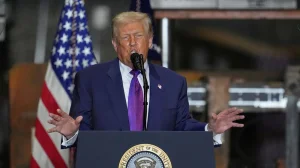
You could call it a new, more pointed chapter in the US-Iran stand-off, and it was set in motion by a post from President Donald Trump. He put out a doctored map of Iran in the colours of the Stars and Stripes, with the question ‘United States of the Middle East?’. It’s a bold move as Washington considers what to do if talks fall apart, per a report from officials in the know. Then there is the image on his platform, which comes with the claim that Iran is ready to come to the table in the wake of our military moves. Trump has also made it clear he believes their hand has been weakened and that a nuclear weapon for Iran is off the table. You won’t find any proof to back up those numbers, though. Not long before, he was posting AI-made scenes of us taking out Iranian boats, even some space-age warfare and an American flag over their capital. It’s all part of an information war that’s already running hot while negotiators try to head off another round of trouble.
Why the map matters now
A well-placed symbol can be as firming as a troop deployment. This picture of Iran in the stars and stripes is here at a time when we’re down to the wire on some very delicate diplomacy. It could stoke the fires in Iran and make the work of mediators in Tehran a lot harder. To his supporters, it’s a show of will. To those in the region who want to get trade moving and keep energy prices in check, it looks like a story being told to justify ratcheting things up rather than making peace.
Inside Washington’s next-move debate
There is some contingency planning going on behind closed doors. If the current round of talks doesn’t produce a result, Washington is open to striking, one official in a recent report put it. They were in session on Friday morning to go over it.
The likes of VP JD Vance, Defence Secretary Pete Hegseth, CIA’s John Ratcliffe and White House chief of staff Susie Wiles were in the room, along with other top aides. They put the negotiations and the military side of the equation side by side for review.
Mediation push led from Tehran
Field Marshal Asim Munir of Pakistan’s military has made his way to Tehran in what is being called a final effort to bring the two sides closer. A delegation from Qatar is there as well to see it through.
By the accounts of state media, Munir sat down with President Masoud Pezeshkian and Foreign Minister Abbas Araqchi, then had a couple of one-on-ones with the minister. The 14-point document Iran is touting as the basis for everything was on the agenda, as were some back-and-forth messages.
Tehran’s red lines and warnings
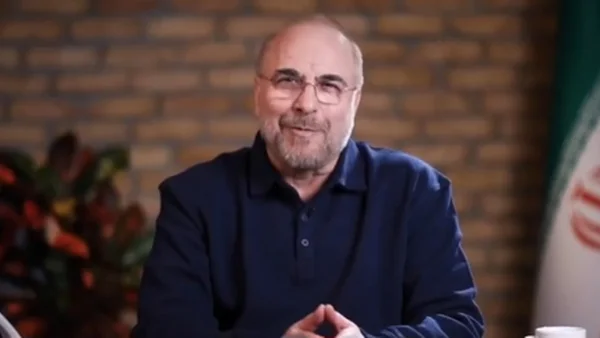
Parliament Speaker Mohammad Baqer Qalibaf made no bones about it to Munir: the US is not to be trusted and Iran isn’t caving on its rights. We will apply pressure, he said, in every way we can.
And if the US is so unwise as to start the war up again, Qalibaf said the answer will be “more forceful and bitter” than before. The foreign ministry in Iran says the chasm between them is still wide and deep.
Markets, shipping and military balance
We’ve seen the impact on global energy after weeks of this. The Strait of Hormuz is shut to most of the world’s tonnage for all intents and purposes, even with a tenuous ceasefire in place. Start the fighting up and you can bet importers will feel it in the price tag.
For all the strikes and scuffles, Iran has held on to its near-weapons-grade uranium and its arsenal of missiles, drones and proxies. That is what the US and Israel are looking to put a lid on.
Signals from Washington
Secretary of State Marco Rubio put it on the record on Friday that some headway has been made, but there is more to do. It leaves the door open without closing the case.
Trump says Iran is in a hurry to negotiate. But as for his take on how weak they are, that’s his word for it.
What comes next
Diplomacy and deterrence are both in play. Here is what will set the course in the short term: – Can these last-ditch talks put the main issues to rest? – A call from the US on whether to hit with new strikes – How Iran reacts to being pushed – Some movement to let ships back into the Hormuz – Whether the 14-point plan from Iran is taken up
At the moment, you’ll find the action in boardrooms, on nautical charts and in your news feed. With a wrong turn able to make or break this impasse, a post like 'United States of the Middle East?‘ only adds to the strain.