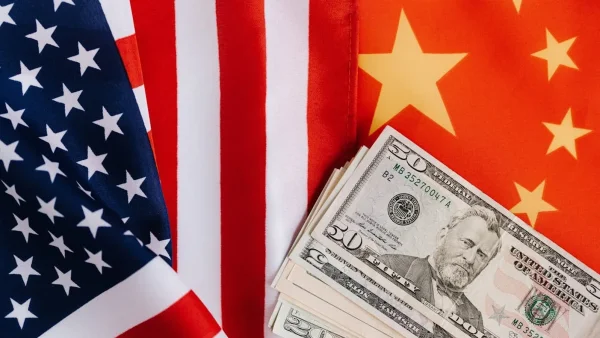
Washington and Beijing have agreed to these military-to-military communication lines as a big step toward bettering diplomatic ties and keeping the region peaceful. This shows a change in strategy towards encouraging peace and understanding between two of the world’s most powerful countries, during a time of increased tension in the Indo-Pacific.
Strengthening U.S.-China Relations Amid Rising Tensions
This announcement followed conversations Hegseth had with Chinese Defense Minister Admiral Dong Jun at a security meeting in the region. They both said they are committed to peace, stability, and good will, and their conversation shows a hopeful direction for the U.S. and China. Despite recent disagreements, including disputes in the South China Sea, both countries agree that it’s important to be able to talk to each other to stop misunderstandings from turning into a fight.
Hegseth said on social media that the relationship between the U.S. and China is as good as it’s ever been, after U.S. President Donald Trump and Chinese President Xi Jinping had a good meeting in South Korea. Hegseth said this meeting has created the atmosphere for “everlasting peace and success” between the two countries.
Navigating Complexities in the South China Sea
While saying he wants to work with China, Hegseth also told the countries of Southeast Asia to strengthen their naval defenses against China’s strong actions in the South China Sea. This area is still full of political tension, with China and several countries in ASEAN (the Philippines, Vietnam, Malaysia, and Brunei) all claiming parts of it, and it’s an important waterway.
Hegseth criticized China for recently declaring Scarborough Shoal a “nature reserve”, because he thinks China is trying to expand its territory and take away the rights of other countries. This view represents Washington’s overall plan to discourage China from taking over territory, but to also look for ways to have diplomatic talks.
Balancing Diplomacy with Deterrence
Hegseth’s two-sided approach of supporting stronger military connections with China and warning about its expansionist policies shows how complicated the relationship between the U.S. and China is. Military communication is important for calming things down and building trust, but the U.S. also needs to be strong enough to reassure allies in the area and to allow ships to move freely through important sea routes.
Hegseth suggested things like creating shared ways to watch the seas, and doing joint training exercises with the ASEAN countries to make the region safer. These actions are meant to create a way for countries to defend themselves together, so no country has to face attack or problems on its own.
A New Chapter in U.S.-China Military Dialogue
Restarting military talks between the U.S. and China is a major change in their relationship. This happens after China stopped communicating in the past, especially after important political people visited Taiwan.
Both countries now seem ready to move past problems in the past and create a more stable military relationship based on being equal and respecting each other. This kind of discussion is especially important because of the continuing issues across the Taiwan Strait and frequent clashes at sea between ships from the Philippines in the areas everyone is fighting over.
Looking Ahead: Strategic Implications
As the Pentagon (the U.S. Department of Defense) gets ready to present its National Defense Strategy, Hegseth’s attempts to reach out to China may mean the U.S. is changing its priorities. While stopping China’s power from growing is still important, the U.S. is now more clearly trying to use diplomacy alongside the usual methods of defense.
This approach aims to protect the interests of the U.S., but also to help with peace in the region and in the world. By doing this, Washington hopes to deal with the difficulties of international diplomacy skillfully, making sure that competition doesn’t stop cooperation on things that are most important.
Finally, creating military communication lines is a realistic step towards managing what is likely to be the most important relationship between two countries in the 21st century. As both countries carefully continue to balance competing with each other and working together, the world is watching, hoping for lasting peace and shared wealth.