You don’t have to look far to see why: a fresh post on Truth Social from the president has put Taiwan right in the middle of the US chip conversation once more. In it, he charges the island with having made off with America’s industry. It comes as there is a new push to onshore production, with his plan making no secret of its reliance on names like Intel, Nvidia, Apple and Musk.
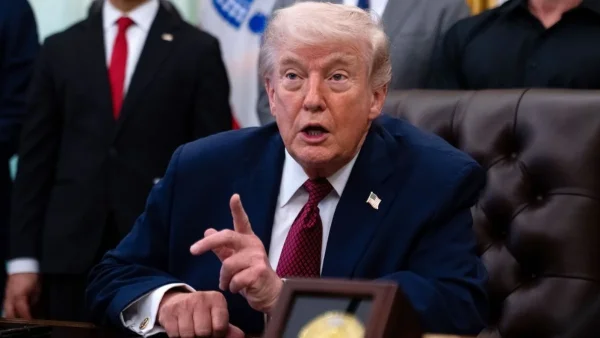
Trump’s line of reasoning is that while the US came up with the tech for today’s chips, we didn’t do enough to protect the manufacturing side of things with the right kind of policy or tariffs. “The Technology the World relies on was invented in America,” he put it, before chiding “stupid Presidents” for allowing “Taiwan and others to steal our Semiconductor Factories.”
These days, semiconductors are a matter of national security. They run your AI, your phone, your cloud and your defence. Trump makes the case for building them here an economic and strategic must, to be done in-house rather than left to the vagaries of some other country’s supply chain.
Trump’s proposed playbook: Intel at the core
If you follow his blueprint, Intel is where it all starts. He has put the company in the driver’s seat to put US capacity back on the map. He even says the government has put 10 per cent of its stake in Intel, with plans for Nvidia to make its wares with them and for Apple to do its designing and building stateside with their help.
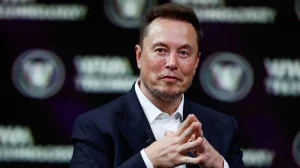
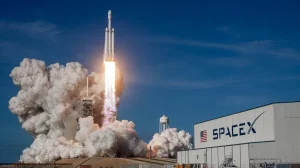
Then there is Elon Musk. Trump lauds the SpaceX head for what he says will be “the world's largest chips factory in the world” right here in the US. It’s all part of an effort to get the top designers and fabs in this country to work in unison.
In his post, he made his objectives plain:
– Get chip design and production back in the USA
– Put your money behind Intel as a national champion
– Have Nvidia and Apple tied to US fabrication
– Give the green light to Elon Musk’s mega project
Why Taiwan dominates fabrication
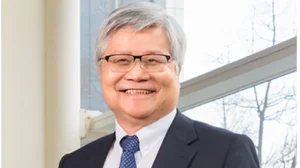
It didn’t come about in a day. The Taiwanese government put down roots in the 1970s, and then TSMC changed the game in 1987 with the pure-play foundry model – they would build for you but not be in your way as a competitor.
That won over the world’s trust and the customers followed, along with the talent and the supply chains. Sure, a lot of American companies are still on top when it comes to design and software, but the economics and the state support in Asia lured the actual making of the chips over there, leaving Taiwan in charge of the advanced stuff.
Politics, pressure and pushback
There is some old politics in Trump’s words, too. He has been at it again with the false notion that he was the one who won in 2020, and that his second term will be when we put the chips back where they belong. His people call it a strategy; his detractors have a different take on the facts.
They will point to the numbers: some 98,000 manufacturing jobs in the US were gone in the first year of his second term. And on the Taiwan front, they say his hard talk has been matched by a softening of support – no more arms sales, a dressing down for leaders like Sanae Takaichi, and a step back from the Indo-Pacific.
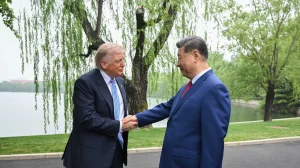
Critics also see a pattern of being tough on Taipei but not on Beijing, despite the IP and cyber issues with China. In their view, he has put Xi on a level with himself to form a ‘G2’ and, in doing so, has written Taiwan off.
What changes if this agenda sticks
The real test is whether any of this becomes a reality in terms of funded factories and a growing workforce. We’ll be watching to see if the tie-up between Intel and Nvidia happens, or if the Musk facility gets off the ground.
For the rest of the world, it’s a clear choice. If the US can put up some serious capacity, you can expect to see more of a fight with Taiwan and buyers looking to spread their risk. If they can’t, then America’s hand is weak and Taiwan’s moat is as deep as ever.