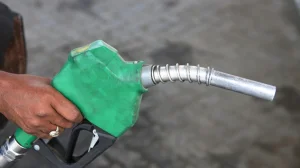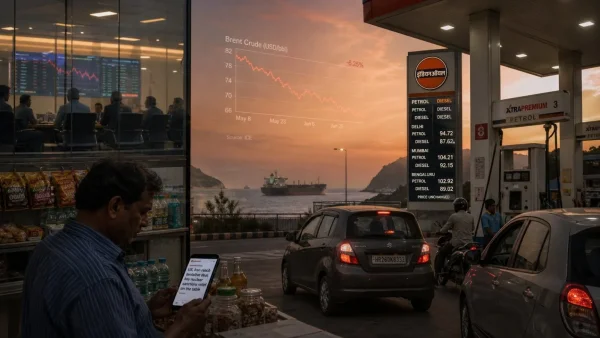
If you’re a motorist in India and were counting on some quick relief in the wake of the US-Iran accord, you’ll have to be patient. As of today, June 18, the pump for petrol and diesel is the same as yesterday, even with Brent coming in at $78.66 a barrel. It’s a measured approach from the state-run oil companies; there was no revision in Delhi, Mumbai or Bengaluru.
What stayed the same at the pump
The OMCs have left retail rates where they are in most cities since last month’s overhaul. Even with crude taking a nosedive after the Strait of Hormuz started to look more like normal, the industry is putting stability first rather than making hasty cuts.
Just to put it in perspective: we had a 78-day standstill before retailers put up the cost by some Rs 7.50 a litre. That started with a Rs 3 hike on 15 May – the first in four years – and was followed by three more in as many days.
A few numbers for the major metros on June 18:
– Delhi: petrol Rs 102.12, diesel Rs 95.20
– Mumbai: petrol Rs 111.18, diesel Rs 97.83
– Bengaluru: petrol Rs 110.89, diesel Rs 98.80
– Hyderabad: petrol Rs 115.73, diesel Rs 103.82
Strategy over speed: why OMCs are waiting
You can’t just look at the day’s crude to figure out what you’ll pay for a tank of gas in India. Before an OMC will budge on a rate, they have to run the numbers on everything from the rupee-dollar and freight to dealer fees and taxes. They like to be sure the dip in crude is here to stay.
When tensions ran high and so did the price of oil, the companies took the hit. Lately they’ve made a few moves to let the consumer carry some of the weight, but with the market as it is, they are not about to be making constant adjustments.
Margin pressure is easing
The figures from the government show that under-recoveries are on the wane, which gives retailers a bit of room to manoeuvre. We’re talking about an 83% drop in petrol under-recoveries, down to Rs 3 from Rs 24 a litre since April 1. Diesel has seen an even steeper 75% cut, from Rs 105 to Rs 27 per litre.
With that kind of headroom, there’s less of a need to hike prices and the focus is turning to when a cut might be in order. It’s a question of how OMCs will react to the new reality: will they let some of the relief through? That will be up to where crude is headed, what’s happening with the currency, and how the big three state-owned companies choose to play it.
The US-Iran deal and an oil market reset
You can see the effect in the numbers. Global benchmarks have given back some ground in the wake of a peace accord between Washington and Tehran that has put the Strait of Hormuz back on the table. Brent was down 1.12% – 89 cents to $78.66 a barrel – on word that we can expect to see movement through the strait again.
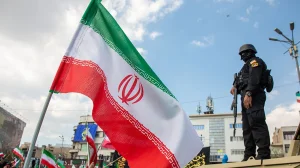
The 14-point memorandum that underpins the pact sets in motion 60 days of talks. In the meantime, Iran has agreed to open the Gulf to toll-free transit. The US and its allies are also putting together a $300 billion package to help with Iran’s rebuild, with an eye on having full traffic flow in 30 days.
Pakistan’s PM Shehbaz Sharif made the news on X, touting the “Islamabad Memorandum of Understanding” as a done deal between the two sides. It was enough to put a lid on the kind of supply worries that had been propping up crude.
From a risk at the chokepoint to normal service
Up until now, the Strait of Hormuz has been the main reason for all the price jitters. Now that the world’s most important energy artery is about to be unblocked, you can bet there’s an expectation of calmer waters and more reasonable prices. For refiners who have been carrying a heavy risk premium of late, that’s a welcome change.
For the Indian consumer
But don’t go to the pump expecting an instant drop. A move in crude doesn’t mean much if OMCs don’t act on it. They tend to be cautious; after a run of hikes to make up for losses, they want to be sure the trend is here to stay before they adjust.
Word from the industry is that if crude holds its course lower over the next few weeks, there may be some give in the pricing. At this point, though, OMCs are more interested in protecting their margins and keeping an eye on the rupee and tax issues that come into play.
What to keep an eye on
Now that the heat is off and supply is looking better, the coming weeks will tell us if any of this makes it to the end user. We’ll be watching:
– Where Brent sits in the $78-$80 range
– The rupee-dollar exchange and what it does to import bills
– Any hiccups in shipping or insurance
– How the state and centre handle taxes
– And how the OMCs square off against each other
In the end
The US-Iran arrangement has taken away the one thing that was weighing heaviest on crude. But in India, the sticker price is the same as it was. If the numbers stay soft and the books look better, you can expect a push for a change. For now, the status quo is the order of the day and we’re left to see what the OMCs and the rest of the world do next.