The warnings from Trump’s team are clear. They see the stakes of his Beijing diplomacy being ratcheted up by the possibility of a Chinese move. And it’s not just a military matter. It comes down to the semiconductors that run everything from data centres and your car to an MRI or a washing machine.
You might have seen the positive spin coming out of the summit, but some of the president’s top people think Taiwan is in for its roudest patch in a long time. In private, they’ve come to the view that China is making a case for being the US’s equal and for having a claim on the island.
Why advisers see a five-year window
One of them put it this way: the odds of Taiwan being on the agenda in the next half-decade are up. This is their read even as Trump has been well-received by President Xi.
Chips at the heart of US risk
At the heart of it is the chips. Take away Taiwan and you take away the advanced components that are the lifeblood of American tech. The fear is we don’t have what it takes to fill that void. Our own manufacturing isn’t up to the task of what Taiwan puts out, leaving our economy and some of the big names in tech exposed. A row in the strait would only add to the strain on a supply chain that’s already been put under pressure by trade and politics.
Here is what those concerns boil down to:
– US companies risk losing access to Taiwan-made chips
– Domestic production cannot replace advanced semiconductors yet
– Any conflict could disrupt already strained supply chains
What happened in Beijing
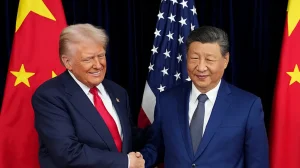
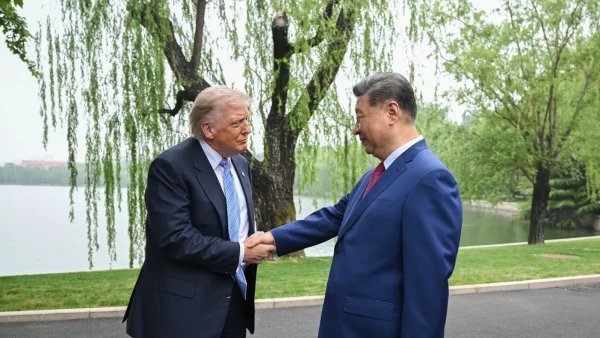
On the surface, things were calm. There was a welcome at the Great Hall of the People on May 14, 2026. But in the room with Trump, Xi made it known that if the Taiwan file is not handled right, it could lead to trouble, we are told.
Trump didn’t say much about the island while in the city. Back on Air Force One, he said he’d taken in Xi’s side of things and hadn’t made up his mind on a big arms deal. When you put it to him about stepping in with force, he wouldn’t commit.
Arms packages awaiting action
There is an $11 billion package for Taipei his administration gave the green light to in December, and another $14 billion one from January, but neither is moving until he puts it in front of Congress.
Taipei’s response and what comes next
Over in Taiwan, President Lai Ching-te has been at work to put minds at ease. “We will not be sacrificed or traded,” he wrote on Facebook, pointing out that the US is bound to back us up. He knows there is a lot of worry after what was said in Beijing, and he’s grateful for the American emphasis on keeping the peace. But he also made it plain: we’re not letting go of our sovereignty or our way of life. He sees China as where the instability is coming from.
Both sides want to be seen as steady, but some of the hard questions are left open. The worry is that a misstep could come at a time when the US isn’t in a position to handle it. How Washington handles the next round of arms and supply chain issues will tell you if they are ready for what’s to come.