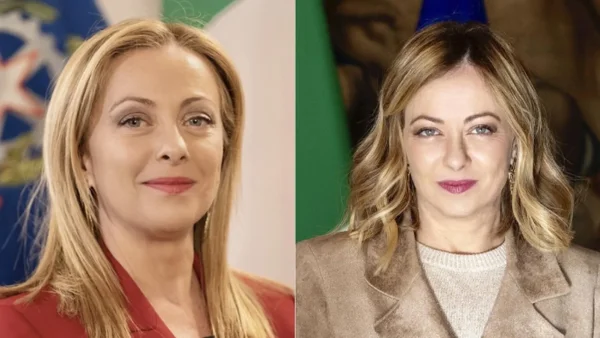
Meloni called the image a political attack and a caution to internet users. She even admitted the altered picture “actually made me look a lot better”, but insisted people stop spreading these kinds of fakes without first making sure they are fakes.
Deepfakes and the risk to ordinary users
Meloni feels this is more important than just political fighting. Deepfakes, she explains, can trick, control, and target anyone. She can defend herself, but many people can’t, and fake pictures can do a lot of damage before anyone proves they aren’t even then, the damage is done.
She’s said before, and repeated in a recent post on social media, that we need to be careful about what we pay attention to online: check things before believing them, and think about what you are sharing. This shows the increasing worry about generative AI (AI that creates things) finding its way into political discussion and ruining people’s reputations.
What Meloni posted and why it resonated
Meloni posted the fake photo on her own official page to show everyone what was going around. She included a screenshot of a post by someone named Roberto who had shared the image and told her to be ‘ashamed’, to demonstrate how quickly lies get passed around.
She told both her supporters and people who disagree with her to not share anything that hasn’t been checked. She was both sarcastic and worried when she said the picture “actually made me look a lot better”, while also saying it was part of a plan “to attack and make up lies”.
Legal backdrop and next steps
It’s not yet known if Meloni will take this incident to the police, though many people who commented on her post told her to. She has started a lawsuit for something similar involving a deepfake in the past, and that case is still ongoing.
However, her main point wasn’t to get the law involved. She thinks the public needs to change and respond more quickly than those with bad intentions, because it’s the Prime Minister who is affected today, but tomorrow it could be anyone who doesn’t have a way to defend themselves.
Here are her key takeaways for users:
– Verify before believing
– Think before sharing
– Understand deepfakes can hit anyone
How the internet reacted
People had a lot of different reactions to Meloni’s position. Many agreed fake news in any form is unacceptable, while others asked for more openness, wondering why the person who created the image wasn’t identified if they were so proud of it.
Some people didn’t think it was a big deal, saying that because we see so many AI-created images, people are now suspicious of all pictures. One person commenting online said pictures are now worth very little, and many people treat them as a joke.
There were also warnings that AI tools can be used for fraud and will harm people who don’t have a large platform to be heard. One commenter even feared AI will cause people to lose their jobs and pointed to an email from a company saying they were cutting 14% of their staff as evidence that the powerful will benefit and others will suffer.
Why this matters beyond politics
Meloni’s situation shows a moment when artificially created media is now a part of everyday life. The picture was shocking enough to become popular, but the things Meloni pointed out are realistic: a person’s reputation can be changed in minutes and a correction to the lie will rarely be seen by as many people as the original fake.
Her response was aimed more at people reading it than at her political opponents. By telling people to be careful and not just rush to share, she says people are responsible for slowing down the spread of lies. Her main point is simple: question every image until it is confirmed as true, and think about what you’re doing every time you share something.