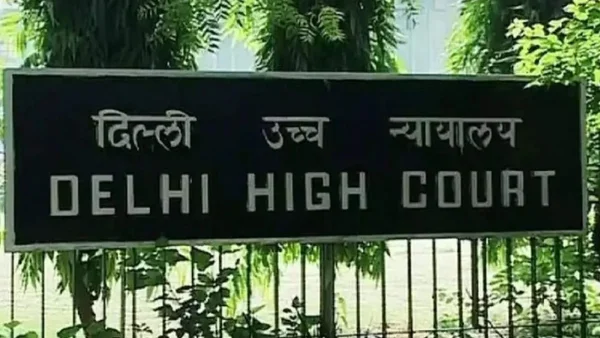
Google, Meta, and Amazon have been ordered by the Delhi High Court to take down online content which is said to improperly use the name and picture of Gautam Gambhir, who used to be a cricketer and now coaches the Indian men’s team. Justice Jyoti Singh, a single judge, has told the platforms to remove links that have been complained about and to give details of who uploaded them.
Court directions and required disclosures
The court said it will give a temporary order to remove the specific web addresses and posts mentioned in the complaint. The platforms were asked to share Basic Subscriber Information (BSI) for the accounts that have the disputed content. The judge urged them to act without delay to protect Gambhir’s right to control his public image and how he makes money from it, while the case continues.
The order stresses fast removal of the content and finding out who is behind it. Platforms have to reveal who is making the content so that legal action can be taken. The aim of the ruling is to give Gambhir quick help, while also following the correct steps to find those accused of doing wrong.
Allegations of deepfake abuse and commercial exploitation
Gautam Gambhir’s complaint says that there is a planned and organized series of attempts to pretend to be him online. He claims AI-powered face swapping and voice cloning are being used to create videos and posts that make it look like he said or did things he never did. Some of these AI-created videos and altered items became very popular and were seen by a lot of people.
The lawsuit also accuses other companies and online sellers of helping to sell products with Gambhir’s image on them without his permission. He wants a permanent ban on anyone using his name, picture, voice or overall personality without his agreement, and is claiming Rs 2.5 crore in damages because of the harm to his reputation and business.

Platform compliance, takedowns, and the dynamic injunction request
Meta’s lawyer told the court that several links breaking the rules had already been removed and gave the court a list of them. People from Google said that at least one of the web addresses mentioned in the complaint had been taken down. The court noted this and said that any similar links that appear should be reported to the lawyers, and the platforms must act on them within re 36 hours.
Gambhir’s legal team asked for a “dynamic injunction” to deal with new uploads and copies of the material. The court said Gambhir could go back to the judge again if the same links reappear. This shows a sensible way to deal with things being uploaded again and again, and how quickly things change online.
Legal precedents and the expanding scope of personality rights
This case is one of a growing number of successes in protecting people’s public image rights in this area. Recently, other court orders have protected many well-known people from others using their identity and AI-made copies of them. Courts are realizing more and more that pretending to be someone else online and using “deepfake” content can really cause harm and needs the courts to get involved.
These previous cases suggest the courts will take rights to control your public image and to profit from it very seriously, especially as AI technology makes it very easy to spread misleading information quickly. People who are complaining are now often asking for both the content to be removed and details of who signed up for the account so they can try to get money from them for the damage done.
Policy implications and technical challenges ahead
The case with the deepfake of Gambhir shows the difficulties between what platforms are responsible for, freedom of speech, and what is actually possible with technology. “Dynamic injunctions” and orders for BSI are pushing platforms to get better at checking content, finding out who is responsible for it, and responding quickly. At the same time, finding and removing AI-created fakes is still a difficult technical problem.
People who make policy and the platforms themselves will likely come under more and more pressure to use stronger ways of making sure people are who they say they are, to put a “watermark” on things to show they are real, and to use AI to detect fakes. Courts will likely continue to decide exactly how much responsibility platforms have and what is required for a quick fix when someone’s identity is misused and harms their reputation or business.
The Delhi High Court’s order to Google, Meta and Amazon is an important step in how courts are dealing with impersonation using artificial intelligence. It shows that both public figures and average people need better ways to get help and protection from misuse of deepfakes.