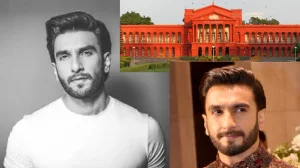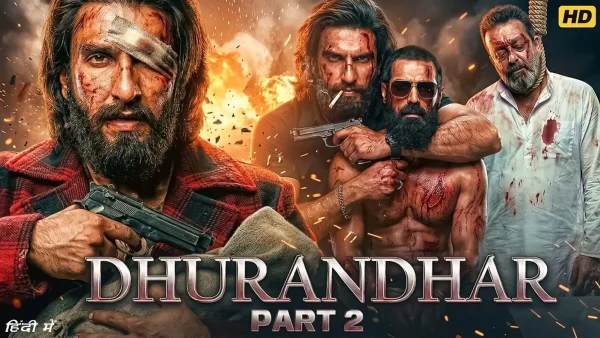
Pictures which were said to be of Ranveer Singh’s character in “Dhurandhar: The Revenge”, showing him in a pink turban and smoking, spread quickly on the internet. This made Sikhs very angry, and some even threatened to sue. The visuals were very upsetting to many because of how they showed respect for religion, clothing, and what’s okay to show in movies.
What sparked the controversy
A number of photos and short video clips that people claimed were from “Dhurandhar: The Revenge” became popular on social media. One picture specifically showed Jaskirat Singh Rangi (also known as Hamza) wearing a turban while smoking. It immediately angered many who saw it and caused a strong reaction.
Someone filed a report with the police, naming people involved with the movie and asking them to take responsibility. The problem quickly started to threaten the film’s advertising, as more and more people asked for apologies and for the images to be removed. It showed how one picture that goes viral can turn into a huge problem for the movie’s reputation.
Aditya Dhar’s response and clarification
Aditya Dhar firmly denied the pictures were real on social media, stating they were altered with AI. He said he’d found out that some people were changing official advertising pictures using AI to create stories that were false and misleading.
Dhar was very clear that the changed pictures weren’t in the film or any official materials. He said the picture was “completely untrue” and that the changing of it was intentionally done to cause trouble. He asked people to get their information from official sources and said that those doing this kind of thing would be seriously dealt with.
How AI was used to create fabricated images
This situation points out how AI tools that generate images can change advertising material to make fake but realistic pictures. People with bad intentions can use AI to change faces, add things, or alter clothes to make up stories that never happened during filming. Because of these techniques, it’s harder for people who aren’t experts to tell what’s real advertising and what’s been messed with.
Experts explain that how quickly and easily AI image tools work increases the risk of misinformation. When a fake image is connected to sensitive religious or cultural topics, the effects go from being just online trouble to causing actual problems in the real world, including court cases and upsetting communities.
Impact on the Sikh community and film industry implications
Sikhs said they were hurt and wanted their religious symbols and traditions to be respected. This reaction shows how long people have been worried about how religious beliefs are shown in films and TV. Because of this, filmmakers and actors are now being watched much more closely when their work relates to religion or tradition.
This event is a reminder to the movie industry to be careful with their advertising and to respond to fake information quickly and openly. Dhar’s public statement denying the pictures was to protect both the movie and the feelings of the Sikh community. When filmmakers are clear about what’s happening, it reduces confusion and limits how much damage is done to the movie’s reputation.
Lessons on AI, media literacy, and film promotion
This argument provides practical advice for viewers, filmmakers, and the platforms where things are posted. People watching should check surprising pictures against official sources before they share them. Filmmakers should put a watermark or a time stamp on their advertising to help prove it is genuine if there is a disagreement.
Platforms that host the images have a responsibility to remove pictures that are obviously fake and cause problems with communities. At the same time, those making the film and those doing publicity should have a plan to respond quickly, which includes giving correct information and respectfully contacting the groups affected.
Aditya Dhar ended his statement by asking people to watch the film “as it’s meant to be seen” and not to believe misinformation created by AI. This situation highlights a new truth: as AI makes it easier to create falsehoods, good judgement and being held responsible for what you do are more important than ever.