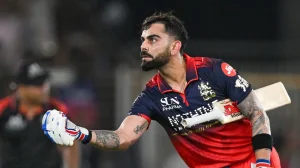
Virat Kohli was all people were talking about once more after he liked a photo of Liz Laz, a German vlogger, on Instagram. This happened, then disappeared, but had already become hugely popular. The like immediately got a lot of attention and made people remember a previous issue: months before, Kohli had liked a picture of Avneet Kaur.
The Instagram Like That Sparked Debate
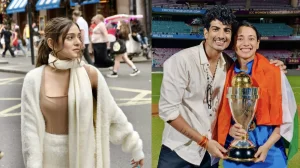
A photographer named Advait posted a picture of Kohli’s like on Liz Laz’s “Some golden hour shots” from January. Advait was very excited about this, and people on social media quickly made it into jokes and heated arguments.
This picture of the like spread rapidly as people responded and compared it to what had happened previously. Kohli did take the like away, but that didn’t stop people from discussing celebrities and how something small they do can quickly become a much bigger deal on the internet.
Ameesha Patel Steps In With a Defense
When the press asked Ameesha Patel about the issue in Mumbai, she wondered why a “like” would even be considered a scandal. She said that liking a post is something you do for yourself and shouldn’t be criticized.
Patel pointed out that people are too quick to try to find problems, instead of being happy about someone showing approval. She told reporters that it’s okay to show you like someone’s work by liking it, and the attacking of people, not the like itself, is what’s wrong.
Kohli’s Previous Clarification About Algorithmic Likes
This isn’t the first time Kohli has been criticized for liking something on social media. After the Avneet Kaur incident became popular, Kohli said that a mistake in the computer program might have registered him as liking the photo while he was deleting things from his feed.
He asked people not to assume anything from it and insisted he hadn’t meant to like it. Despite this, Avneet Kaur’s popularity increased as a result of the incident, she gained more followers, and had opportunities for advertising.
How Small Actions Become Big Stories on Social Media
The way websites and things going “viral” work makes it very easy for small interactions to become big news. One click, and something is saved, shared, and examined in detail, especially if it’s a very famous person with fans all over the world.
This shows how people now expect to be able to examine everything a celebrity does. That means even something private or casual can be misunderstood, starting arguments and sometimes unfair criticism.
Consequences for Fans, Creators, and Public Figures
Although being the center of controversy can be upsetting for public people, it can also be useful for those who suddenly get a lot of attention. Avneet Kaur’s exposure led to more followers and sponsorship agreements, showing that going viral can have good and bad results.
The ongoing discussion about Kohli’s like shows we need to think about things reasonably. Celebrities will continue to use social media, and we as the audience might do better if we could tell the difference between them really agreeing with something and just doing something as part of using the internet, instead of immediately suspecting them of something.
The situation with Liz Laz, and Ameesha Patel sticking up for Kohli, shows us something more generally: a like is usually a little, unclear action. And as social media continues to shape how the public thinks and talks about things, being careful and not immediately attacking people could lead to healthier conversations online.