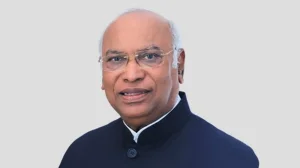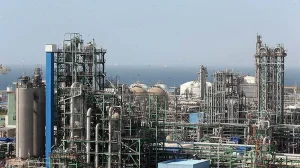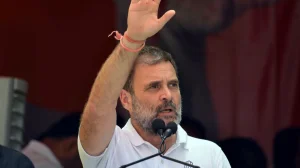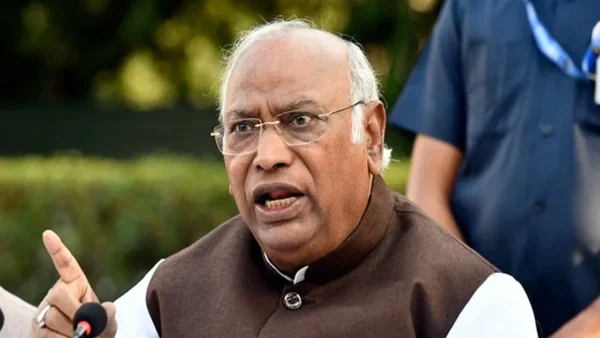
It’s the third time in as many days that we’ve seen a jump in pump prices, and it has set off some hard words from Mallikarjun Kharge. He says the government is ‘looting’ public earnings in instalments, while families are left to deal with the steeper cost of getting around and a new round of talk over how world oil trends are being made to hit the consumer.
What you need to know about the latest row
Industry people say that as of 23 May 2026, you can pay up to 91 paise more for a litre of petrol or diesel. In the capital, for instance, a litre of petrol will set you back Rs 99.51, an 87 paise hike from where it was. Diesel is up 91 paise to Rs 92.49.
This is on top of a Rs 3 per litre increase on the 15th and 90 paise on the 19th. All in, you are looking at a near-Rs 5 rise in under 10 days, with the state-run companies moving in line with higher crude numbers and putting an end to their long hold on any changes.
The substance of Kharge’s claims
For Kharge, this isn’t just something that had to be; he sees it as a matter of policy. His point is that when the price of crude came down, the Centre didn’t let consumers in on it, and now they are making up for it with taxes in the middle of a lull.
He puts the daily central tax on fuel at Rs 1000 crore and has no time for what he calls a ‘compromised’ Prime Minister. In one post in Hindi, he noted that petrol is over the Rs 100 mark and said the government is in the business of looting in instalments.
There is also an allegation of a crisis in leadership that 140 crore Indians have woken up to. According to him, the party in power was all about the election, and once the votes were in, they told us to make do with sacrifice even as they hiked prices three times in eight days.
His take on the rest of the world
Some will say our fuel is still the better value compared to overseas. Kharge has other examples to show, of governments that have done something to cushion the impact of the situation in West Asia. They have gone for relief; India has not.
These are the ones he has put forward:
– Italy has cut excise to give some leeway
– In Australia, they’ve brought down excise and with it, petrol by some Rs 17 a litre
– Germany has seen a 17-19 rupee drop in fuel after lowering its oil taxes
– The UK has handed out 100 pounds in oil aid and reined in fuel and power taxes
– A 250 million euro package in Ireland has taken 0.15 euro off a litre of petrol and 0.20 for diesel
Inflation and the family purse
One thing after another, these changes are adding to the strain you can see in logistics and your daily run. Now that the oil marketing companies have been at it since the 15th, there is a chance this will work its way into wider inflation via freight and the like.
Kharge’s warning is that the Centre let the earlier drops in international prices go to waste, which only makes it hurt more when the going gets tough. It comes down to this: should the exchequer or the consumer be the one to eat the volatility?
A matter of who tells the story
The opposition is making a case that these hikes were unnecessary, and pointing to what is happening in other countries as well as what they see as an overzealous hand on the tax lever. The government, for its part, has to field questions on its tax setup and how fast it is passing on costs, having made the case before that we are in good shape.
Then there is the psychology of a number like Rs 100. Even if Delhi’s rate is not quite there, Kharge’s point is that once you cross that line, it is felt.
Where things stand
With the kind of increases we have seen in the last 10 days, all eyes will be on where world oil is heading and how often we see a change at home. It is a tussle between the need for revenue and the call for some breathing room for those who have to pay up.
Politically, the intent is to make sure the issue doesn’t go away. As for policy, it is to be seen whether the government will opt for some form of relief or a rethinking of taxes, or if they will just keep on with the status quo as the market does what it does.