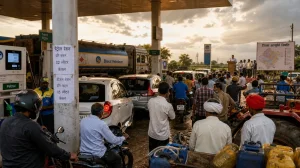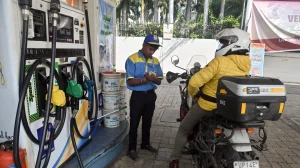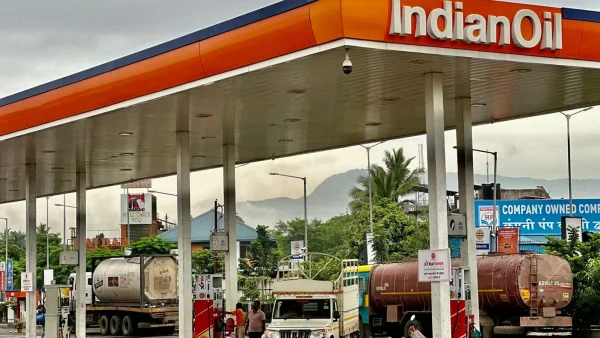
You may have heard about empty pumps in one place or another and wondered if we were in for a wider problem. IndianOil has put those fears to rest. They say there is no national deficit of petrol or diesel; what has happened is very much in the moment and in specific areas, even though we did see an unusual upturn in demand come early May.
Demand surge reshapes fuel flows
What you’re seeing at some stations is an odd kind of crowd, not a system-wide squeeze. The numbers back it up: from May 1 to 22, we put 14 per cent more petrol through the pump than this time last year, with diesel up by 18 or so. It’s a case of demand making its presence felt.
Institutions have been part of that. With bulk and institutional orders being priced to match steeper international rates, IndianOil says a good deal of that business has moved to our retail side. You end up with that extra volume at forecourts where the everyday driver is also in line.
Then you have the motorist who has given some private pumps the cold shoulder over price, and that puts a little more strain on us in some spots. Add in the seasonal run on diesel for the harvest and you get a bit of a tight spot locally, though it doesn’t dent the bigger picture of our inventories.
Why some pumps ran dry
We don’t see these as a failure of supply, but more of a matter of redistribution. Out of a network of 42,000-odd outlets, only a handful have had any trouble at all.
For the most part, our pumps are well-stocked. But when you have customer habits and time-sensitive farm work throwing a wrench in the works, you can get a temporary bottleneck here and there.
Pricing gap tilts competition
Our take on it is that a difference in price will move the market in real time. When people think they can do better at a public sector station than at some private ones, they make the switch.
We’ve also seen commercial and institutional demand head our way as we price in line with what the world is doing. All of that has meant a lot of traffic at certain of our sites, and in a few cases it has put a strain on how often we can restock.
Company response and reassurances
We are still taking care of our customers across the board, even with the kind of demand we are up against. Oil marketing companies as a whole have the reserves to see us through and are mopping up any isolated problems.
We would ask that you don’t feel the need to panic buy. We are on top of things and making sure every type of customer gets what they need without a hitch.
What this means for the fuel market
When a couple of outlets have to close for a while, it’s usually a sign of where the demand is, not a lack of product. Our retailers have been the beneficiary of both the institution and the individual, which has put a test on our local logistics for now.
As long as the going rate for bulk is high, we’ll likely keep drawing in that institutional business. We can handle the ebb and flow, but when the seasons turn, you can expect some local friction.
Here is the bottom line on where we stand and what it means for you and the market:
– No nationwide shortage of either fuel
– What you see is local and won’t be for long
– 14 per cent more petrol sold in the first three weeks of May
– Diesel is up in the neighbourhood of 18 per cent
– Only a very few of our stations have been hit
– We have more than 42,000 of them to draw on
– OMCs have their stocks in order
– There is no call for panic
What comes next
We are in the process of righting the ship at the few places that have been affected. Given we have the stock, it’s a matter of getting back to normal service levels where we need to.
The word to the consumer is that you will be fine at most of our locations. For the rest of the industry, it is a reminder of how quickly a change in price or the calendar can alter the landscape, and why it pays to be able to move product on a moment’s notice.