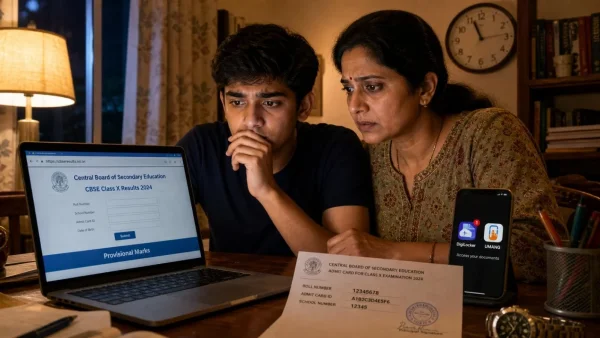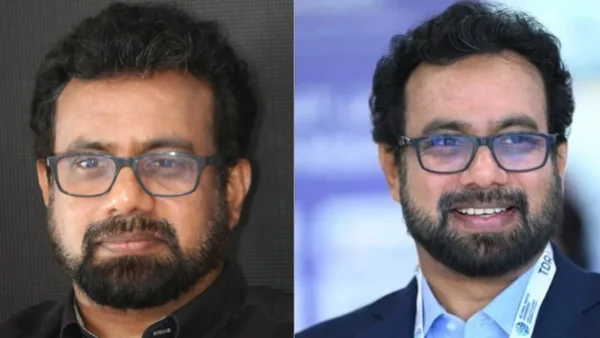
There has been some open friction over how the CBSE is handling Class 12 digital evaluation. It has come to light with Brittas putting pressure on Dharmendra Pradhan to have a word. The MP has put a finger on the problem: indistinct scans, uneven step-marking, and a revaluation portal that doesn’t always work as it should. In his view, these are the kind of things that can put admissions in jeopardy and erode trust.
It all comes down to the On-Screen Marking system they put in place to make things more efficient. But as Brittas will have it, there are chasms in the way it’s being put to use that you can’t just overlook. When you have college admissions, scholarships and the like on the line, you can’t afford any imprecision in the results.
Why the alarm matters
You can’t have a fair process if the scanned scripts are hard to make out, and that is what Brittas is getting at. There are stories of candidates on the CBSE side of things who can’t be sure of how their paper was graded because the scans are either blurred or only half-readable.
Then there is the matter of step-marking in the Sciences and Math. Some say marks have been left off even when the work is there, and that is enough to rattle a Physics or Chemistry student. A few of those oddities, he cautions, and you could be looking at changed cut-offs and different academic futures for some.
What students and schools report
This isn’t about one or two cases, according to Brittas. He has had a steady stream of people – from the classroom to the lecture hall, and parents too – coming to him with their side of the story and the evidence to back it up, calling into question how reliable this whole mechanism is.
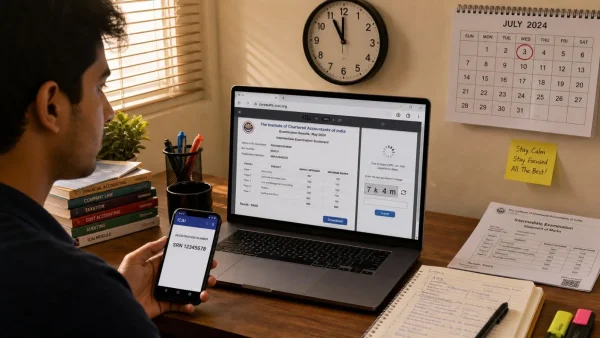
And it’s not just the grading. There is the matter of a portal that is supposed to be up and running but isn’t. Some candidates can’t get to their answer sheets or file for revaluation in time. When you’re up against a firm deadline for admissions, that kind of roadblock is unforgiving.
In his notes, he has laid out the main grievances:
– Scans of answer scripts that are no good to read
– Step-marking in the key Science subjects being left by the wayside
– A revaluation and access portal that is anything but stable
What the MP has asked for
He wants someone to take an unvarnished look at the OSM system. His list of priorities is clear: make sure the scripts can be read, the evaluation is consistent, and the step-marking is done in a way that a candidate can follow and accept.
Some housekeeping is in order, too. He is asking for manual oversight where there is a dispute, for the portal to be put in working order, and for the clock to be extended on re-evaluations so no one is penalised for a technical glitch.
On top of that, he has put forward some ideas for while we make the move to digital:
– Put in some form of protection for the candidate during the changeover
– Be plain about how you are applying step marks
Timeline and institutional stakes
The letter to the minister went out on Saturday, following up on something he put in writing back on May 21st. Since then, he has seen the complaints multiply, turning what were a few here and there into a pattern you see across the country.
For a university or school, the impact is right now. If the marks are in question, you have problems with your waitlists, your counselling, and who gets a scholarship. Let the process bog down and you are looking at a domino effect on your intake and planning.
What comes next
Brittas has made his point in no uncertain terms. He is after some swift moves to put things right before the admission dates pass us by. Do what he is proposing and you might well have a more level playing field for the future of digital marking.
Students want to know how they were marked and to have a revaluation option they can count on. For the administrators, it is about having fewer tussles at the eleventh hour and letting the tech do its job without getting in the way of a fair go.
The letter from the MP is a reminder of the trouble with this kind of transition. Digital means you can do it fast and in volume, but with an exam of this calibre, you can’t compromise on being precise and open about it. We won’t be hearing the end of it until that is the case.