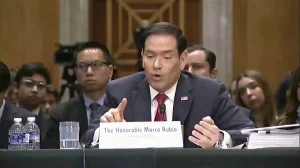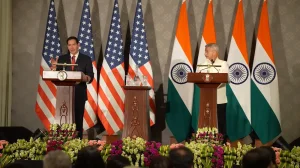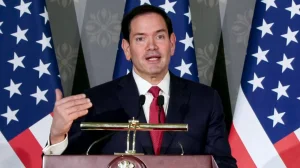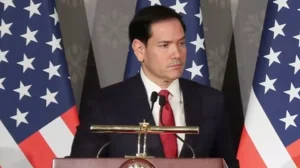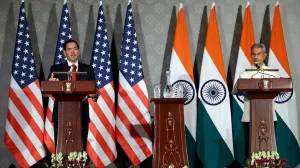
For Indian nationals on temporary visas, the tightening of the rules in Washington means some upheaval is coming, both in terms of travel and red tape. To put minds at ease back in India, Rubio said as much on 23 May 2026, making clear the policy is not for one country in particular but is meant to right a system that has been under strain.
Why the clarification matters in India
You have to look at the numbers: India makes up a good portion of the skilled migrants in the US, be they H-1B holders or students who have been used to adjusting their status here. This new way of doing things may well mean some have to pack up and leave in the middle of it all, and that is a source of worry for families, the companies they work for and the schools they attend.
Rubio is aware of the unease but sees it as a matter of housekeeping. In his view, you make the hard changes now so you have a more reliable system down the road. He says those going through the motions will come to appreciate the efficiency of it.
– It’s a global policy, not an India thing
You’ll be applying for your Green Card from where you’re from
There are very few exceptions, and only for something out of the ordinary
Officers will be looking at each case on its own merits
What the rule changes
With the latest word from USCIS, if you want to alter your immigration status, you will for the most part be doing it from outside the US through consular channels. The agency has made it known to its officers that every case is to be judged on its own before a call is made.
The message from officials is that you can’t just adjust your status in the US as a substitute for the proper consular process. USCIS puts it this way: nonimmigrants, whether they’re here as a student, a worker for a while or a tourist, are in the country for a reason and for a time. Their presence shouldn’t be the easy first rung on the ladder to a Green Card.
“We are going back to what the law was supposed to be,” says USCIS’ Zach Kahler. “To make sure people are using the system as intended.” His point is that if you are in the US for a spell and you want a Green Card, you go back to your home country to put in the application, barring any kind of exceptional situation.
Officials defend intent and legality
There has been talk that this is aimed at India, and Rubio has had none of it. He says it is part of a broader push to get US immigration in better shape, not some directive with a country in mind.
” He put it this way: a few years back the U.S. was in the middle of a severe migration crisis, with more than 20 million people coming in without papers. To make his case for reform, he also pointed to how the Green Card system has been open to abuse. “You’re going to have some hiccups and a bit of an inconvenience when you overhaul a system,” he said, “but you have to do it to put things right.”
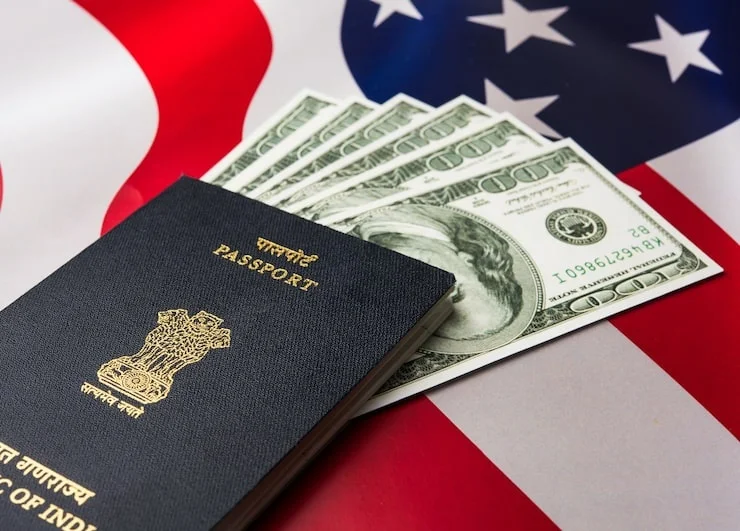
In a public statement, the agency made it plain that it is simply following the law and what the courts have said before. Some temporary visa holders who want to put down roots will be told to go back to their home countries for consular processing, which they see as a matter of going back to the original intent of the rules.
Impact on students and tech workers
USCIS says you’ll see the most of a change if you are on a temporary visa – be it as a student, a researcher, a tourist or an H-1B. A lot of them have been in the habit of using adjustment-of-status while here in the U.S. For Indian tech talent, who are already up against backlogs and country caps, there may be some extra legwork in terms of travel and paperwork.
Rubio’s view is that even if it’s a bother at first, you end up with something sturdier and more effective. In the end, he says, it’s better for the U.S. and for the immigrant.
What applicants should expect next
When it comes to India, Rubio was unambiguous: this is about the integrity of the system, not our relations with another country. He stressed that the reforms will be applied the world over and will, in time, yield more uniform results.
USCIS for its part is touting the move as a way to be more open and to put an end to people who get turned down for residency but stick around anyway. Officers will still have some leeway, but they’ll be looking at every case on its own merits, within a stricter, by-the-book framework.
It’s a new reality for anyone charting a course from a short-term stay to a permanent one. You can count on having to schedule your consular appointment abroad unless you can make a case for the kind of discretionary relief that lets you adjust status in-country.
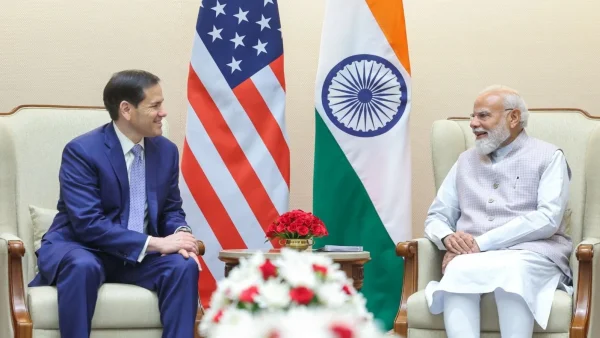
There has been some eye on the policy changes, of course. That hasn’t stopped Rubio from making time in Delhi to talk trade, defence, and Indo-Pacific matters. At an event at the U.S. Embassy, he put out a word from President Trump inviting Prime Minister Modi to the White House and rolled out an America First visa plan for business visitors.
The line from Washington is one of sticking to the statute and not being so liberal with the exceptions. If you are an Indian national mulling over the U.S., the order of the day is to get your documents in order and work with the consular process, and keep an ear to the ground on what might be deemed an extraordinary circumstance.
Rubio’s point has been steady. “It is not about India,” he said. “It is about the world and putting a process back on track where we had let it drift.” The question now is whether we can have the stability he’s talking about without causing too much of a ruckus for those who have been making their way through the American system for years.