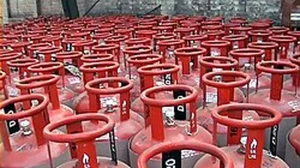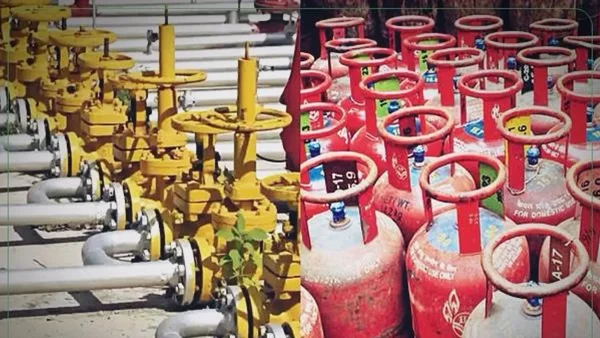
The US is now number one on India’s list of LPG suppliers because difficulties at the Strait of Hormuz reduced the amount of LPG coming from Gulf countries, and total imports dropped to 968,000 tonnes. This quick change in where supplies come from demonstrates how easily shipping routes can be disrupted when key passages are blocked, and India has had to depend on other countries that export LPG.
US supply steps into gap
Kpler’s ship-tracking information shows the US delivered 384,000 tonnes to India in April, a little more than the usual amount from Gulf countries, although the US sent slightly more (391,000 tonnes) in March. Experts say the US is the best alternative supplier, as it already has well-developed systems for exporting.
Indian government officials say that state-owned companies have already made a long-term agreement to buy 2.2 million tonnes of LPG from 2026. This indicates that getting LPG from a variety of sources is becoming a permanent part of India’s plan, not just a temporary fix. It also means India isn’t relying too much on the Middle East (West Asia) when there’s a lot of risk of conflict in that area.
Gulf share under pressure
Saudi Arabia was second, providing 184,000 tonnes (41.5% more than the month before), while the United Arab Emirates supplied 163,000 tonnes (a 28% decrease). Iran’s LPG exports to India nearly increased six times over, to 63,000 tonnes, but Qatar’s fell by 59% to 87,000 tonnes.
Before February 28th and the start of the war, about 90% of India's LPG imports went through the Strait of Hormuz. The war has interrupted this usual route, so India has started to get LPG from Australia, Chile, and China, and is now making sure the LPG is safe to transport, even if it takes a longer route.
Demand squeeze shows up in consumption
This change in where the LPG is coming from is now being felt by people in their homes and businesses, because there’s less of it. The Petroleum Planning and Analysis Cell says that LPG use fell to 2.2 million tonnes in April – 16.16% less than the 2.62 million tonnes used in April of last year.
Use also dropped from 2.379 million tonnes in March. PPAC noted that the decrease in April wasn’t as large as the 12.8% drop in March compared to the year before, but it’s still a big change from the steady increase in use in recent years.
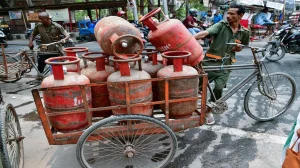
To make sure people have enough LPG, the government gave priority to homes over businesses. Hotels and factories had their supplies reduced, and people were told they couldn’t get a new LPG tank as quickly – the time between refills was increased.
Shipping risks and workarounds
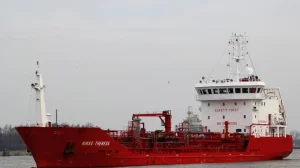
On May 2nd, the MT Sarv Shakti (a ship flying the flag of the Marshall Islands) safely went through the Strait of Hormuz. It was carrying 46,313 tonnes of LPG and had 20 people on board, 18 of whom were from India. Shipping Ministry information says the ship should arrive in Visakhapatnam on May 13th. This shows how uncertain the shipping routes are at the moment.
What it means for fuel markets
This change in how India gets LPG is also affecting India’s other fuel supplies. Because of airspace closures and logistical problems, the use of jet fuel (ATF) decreased by 1.37% to 761,000 tonnes in April (compared to 807,000 tonnes in March). Demand for diesel also slowed, going up by only 0.25% to 8.282 million tonnes.
Petrol sales increased by 6.36% to and reached 3.67 million tonnes in April, but this was a slower increase than the 7.6% increase to 3.78 million tonnes in March. The decrease in the use of fuels for transport, along with the reduction in LPG use, shows that demand is affected by problems with the supply chain and increases in prices.
Why the US lead matters now
India is the second largest importer of LPG in the world, getting about 60% of its LPG from other countries, and historically most of that has come from the Middle East (West Asia). The country uses around 30-32 million tonnes a year (about 85,000 tonnes a day) and can’t easily deal with long delays in getting imports.
Because of all this, the fact that the US is now the main supplier isn’t just a one-time thing. The US can reliably provide a lot of LPG while the Gulf routes are unstable, and suggests that India will continue to make contracts with multiple suppliers and build a more secure system.
Here are the immediate policy and market takeaways:
– Diversify suppliers beyond West Asia quickly
– Safeguard household cylinders over commercial use
– Lock medium-term contracts to stabilise inflows
What to watch next
If problems in the Strait of Hormuz continue and the amount of LPG from Gulf countries stays unpredictable, a continued supply from the US will be essential. Whether India can keep imports above 968,000 tonnes (compared to 1.13 million tonnes in March) will determine how quickly LPG use returns to normal and how much prices will fluctuate.