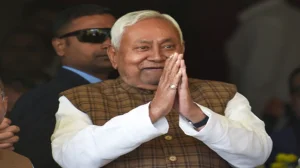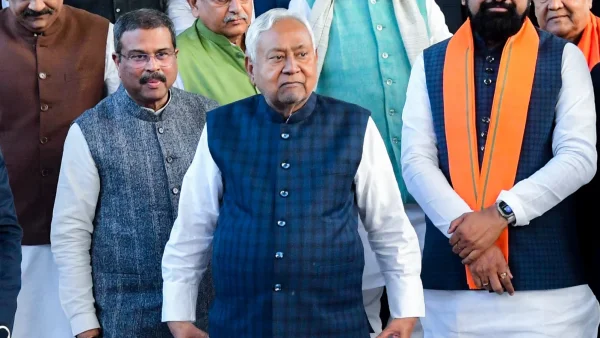
On March 16th Nitish Kumar was elected to the Rajya Sabha, and as a result he’s expected to move from being in charge of the state to a parliamentary position at the national level, while continuing his role within the party.
Schedule and immediate steps
Kumar is planning to go from Patna to Delhi on April 9th and stay in Delhi for two or three days. According to officials, he will be sworn in to the Rajya Sabha on April 10th, which is when the current members’ terms finish.
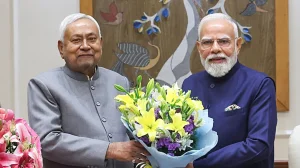
During his trip to Delhi, Kumar is reportedly going to meet with important leaders of the parties in the government. He’s expected to be back in Patna on or after April 11th and will probably resign as chief minister soon afterwards, which will allow a new state government to be created.
Formal resignations and constitutional requirements
Because of the rules in the constitution, Kumar had to leave his position as a Member of the Legislative Council after being elected to the Rajya Sabha. The law says that if someone is elected to Parliament, they must leave their state legislature position within 14 days, and he’s now done that.
Another important leader from the coalition who was also elected to the Rajya Sabha on March 16th also left their position in the state assembly. These resignations mean both of them can start their parliamentary jobs without being in two positions at once.
Implications for Bihar government formation
Kumar giving up the role of chief minister will start talks between the parties in the government about who will run the next state government. People are saying a new government could be in place by the middle of April, but this depends on the parties agreeing and the new leaders being officially sworn in.
This change might mean some changes in who leads the current government coalition. Those planning the future of the party in Patna will consider how to keep things stable, continue the current administration, and how to do well in the next election.
JD(U) leadership and party direction
Kumar becoming a member of the Rajya Sabha happens at the same time as he starts his fourth period as the national president of his party. He was chosen for the role again last month without anyone else running against him. The party’s national executive is scheduled to meet in Patna later this month to decide on plans and the most important things for the party to work on.
That meeting will also be important for the younger generation of leaders in the party, including Kumar’s son, who is being prepared for a more significant role in the party. The national executive session will likely determine the party’s political and election plans.
Security arrangements and parliamentary role
The state government has said that Nitish Kumar will now get Z-Plus security as he moves to Parliament. Previously, he had special protection under a state law that’s based on the higher level of security given to national leaders.
When he gets to the Rajya Sabha, Kumar will be able to take part in discussions at a time when parties are changing and Parliament is focused on certain laws. Moving to the Rajya Sabha will let him influence debates at the national level and allow someone else to deal with the day-to-day running of the state of Bihar.