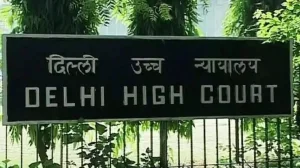
The court was firm on the issue of digital responsibility: social media is no place for defamation. In a move that had some teeth to it, the judge even told the actor’s neighbour in Panvel to think about taking down some of his posts. It was a way of putting the matter in a starker legal light before the docket is called on Thursday and again on the 6th of July.
Court’s stance on social media defamation
Justice Sharmila Deshmukh put it to the room why one would put a dispute out there for the world to see instead of going to the authorities who can actually do something about it. The court’s view is that having an account doesn’t give you a free pass to make defamatory remarks, be it about a well-known name or a regular person.
“Just because you have access to social media, it doesn’t mean you can put up a video on any person, common man or celebrity, to defame them,” the judge said. “Why are you uploading such videos on social media?”
There was also some exasperation from the bench over how much time is being put into just figuring out if a post is defamatory and needs to come down. It seems the court is tired of the kind of litigation that gets started by what people put on the internet.
The dispute behind the posts
This is all rooted in an old property tiff near where the Khan farmhouse is in Panvel, Navi Mumbai. Ketan Kakkad, the owner of the plot right next door, says there were environmental infractions in the building of the house and that he’s been shut out of his own access.
He says he went to the proper people but nothing came of it. So the row moved to the web, with some videos and other material on the actor’s doings at the farmhouse making headlines.
Legal pathway so far
Khan has put in a suit for defamation, calling the posts not only defamatory but in poor taste. He wants the videos gone and an order to stop any more of the same.
A civil court wouldn’t go along with that, so he’s taken it to the High Court. On Thursday, Justice Deshmukh let it be known that Kakkad might want to delete what’s in question, and repeated that your grievances belong in a forum, not on a public page.
To put it in perspective, here is what the hearing made plain:
– You can’t use your access to social media as cover for defaming someone
– Take your issues to the authorities, not to your timeline
– The court is asking why it has to keep wading through takedown requests
Why this matters beyond one celebrity case
You could say the court is drawing a line in the sand between making an accusation on the internet and getting redress the right way. Reputations and due process come first. And it’s a message for anyone who feels like they can try their case in the court of public opinion, not just in high-profile ones.
Then there is the matter of efficiency. The bench has made it known that they don’t have the time for endless wrangling over a piece of content. It may be a nudge for people to file a formal complaint with some evidence to back it up, instead of ratcheting up a conflict with a few well-placed videos.
What comes next
We’ll be back in front of the court on July 6th. For the time being, the judge’s advice to get rid of the content is just that – an advisory. It leaves us to wonder how these kinds of disputes are being handled in the social media era.
As of now, the charges of environmental wrongs and the counter-claims of defamation are still in the hands of the judiciary. The next session will show if the High Court is ready to make some hard orders or if it will send the two sides back to the regulatory and civil track.