On Monday, Chief Justice Surya Kant said he’s really concerned that even very educated people are being tricked by these scams. He and Judge Joymalya Bagchi said they’d have another, more formal, hearing on May 12 about the case which the court started on its own.
Supreme Court takes suo motu cognizance
The court started looking into this because Attorney General R Venkataramani told them more and more of these digital arrest scams are happening. The judges said meetings have already occurred and the people in charge are quickly making plans and getting the different groups who stop and investigate these scams to work together.
The Attorney General asked for a date to have a proper hearing, and the judges agreed to May 12. They made it clear they want updates from the different agencies, and emphasized how important it is for the police, the people who regulate banks, and the phone companies to all work as a team to stop these things.
The case that prompted strong remarks
During the hearing, the Chief Justice mentioned an older woman who lost all the money she had saved for retirement to scammers. He said he knew about the case as part of his job and called what happened to her extremely sad. This shows how awful these scams are for people who are easily taken advantage of.
A lawyer said these incidents are continuing to happen even though the court has already dealt with them before. The Chief Justice said it’s shocking that educated people are still being fooled, which shows how much pressure the scammers put on people and how cleverly they get past people’s normal caution and trust.
What are digital arrest scams?
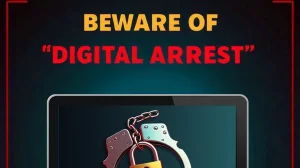
Digital arrest scams are when people pretend to be the police, court officials, or the government on phone and video calls. They scare victims with false accusations and fake evidence, and then make them send money by threatening to arrest them, take them to court, or ruin their reputation.
These scams are increasing quickly and causing a lot of money to be lost. The court previously said that over 54,000 crore rupees have been stolen by cyber fraud, and said this is as bad as being robbed. Because of this, people are asking for a standard way of doing things and stronger steps to prevent fraud from banks, regulators and the police.
Regulatory steps and institutional roles
The Reserve Bank of India has written a plan for banks, saying they should do things like temporarily put a stop on taking money out of an account if something seems suspicious. The Attorney General said that all the different people involved are talking to each other to improve the procedures so banks and payment companies can act more quickly and stop people from permanently losing their money.
The court has told the government and the Ministry of Home Affairs to put the plan into action and allow a single, nationwide investigation by the central investigation agency. They have also asked the people who control the phone and banking systems to create a way to give people money back and a joint plan for dealing with cases that have been identified.
Challenges and measures ahead
It’s hard for authorities to spot and quickly freeze the accounts scammers use. The court has suggested using technology like artificial intelligence to track where the stolen money goes and block it before it gets moved between different accounts and digital wallets.
In the long run, we need to make the public more aware of the scams, have clearer rules for banks about temporarily stopping transactions, get the different agencies to work together more quickly, and have a way for victims to be compensated. The hearing on May and will be used to see how things are progressing and to make the ways of preventing, investigating and fixing these scams even more effective so fewer people are hurt by digital arrest scams.