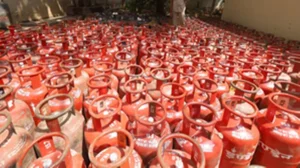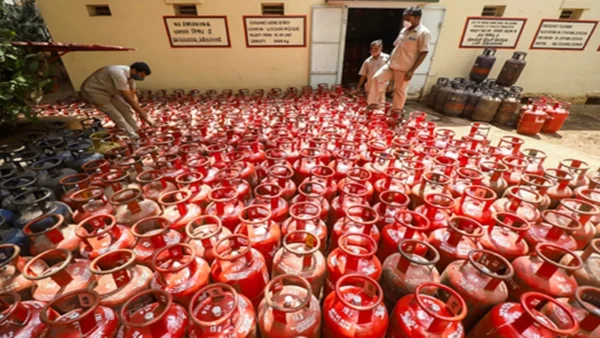
This report is based on what would happen if 20% of the LPG India uses was replaced with DME. This would lower the amount of LPG India needs to import by the estimated 6.3 million tonnes, and save around 4.04 billion US dollars in foreign money, although the exact amount depends on how much things cost on the world market.
Key findings of the report
DME can be made in India from coal gasification, giving us something produced at home to use instead of buying LPG from abroad. This is even more important now because of problems with global supply that have recently affected how much LPG is available and its price.
How DME is produced and why it matters
DME can be created from coal gasification, changing natural gas, biomass gasification, or syngas made from waste. There are two main ways to do this: first, turn syngas into methanol and then into DME, or directly change syngas into DME in one step with a catalyst.
Countries with a lot of coal can quickly increase DME production using gasification technology. DME also burns more cleanly than many fuels containing hydrocarbons, so it creates fewer pollutants, and helps both the climate and air quality in cities and towns when compared to some older options.
Current production landscape and global trends
Nearly 90% of all DME that is made in the world is in China, because of China’s large industry that turns coal into chemicals. Most of the world’s DME is still made from coal, while DME from natural gas or plants is a much smaller amount.
India currently only makes a very small amount of DME in pilot (test) projects. To make more, we would need to invest in gasification plants, projects to show how it works, and a system to get the mixed fuel to people safely and effectively.
Standards, policy, and investment challenges
The Bureau of Indian Standards has already said that LPG can have up to 20% DME in it, so technically we can mix them. However, we need a clear plan for mixing DME and LPG throughout the country to encourage people to invest money and give investors confidence.
Balasaheb Darade, who manages a domestic firm that turns coal into gas, says that a firm policy will get investment and help increase DME production in India. The government could help with support, special offers, or promises to buy DME to make projects happen more quickly.
Economic and energy security implications
Reducing imports by 6.3 million tonnes would make India less vulnerable to issues with international LPG markets and how much we have to pay for it. We could use the money we save on foreign exchange for other development plans or to keep energy prices steady in India.
Making DME here could also create jobs in manufacturing, bring new technology to India, and create a reliable supply of fuel for homes and businesses. It is important to think about the entire lifecycle of the fuel and protect the environment during the coal gasification process.
Steps for policymakers and industry
Those making policy should finish the rules for mixing, create a way to make the market predictable, and support test projects to prove that DME and LPG mixtures are both workable from a technical standpoint and make business sense. The industry itself must invest in gasification plants, research on the catalysts used, and improvements to the way we get the DME-LPG blend to people safely.
If we all work together, we can turn DME-LPG blending from a possibility into a way to become energy independent. With a clear plan and investment in the right areas, mixing 20% DME with LPG could be a realistic way to buy less from other countries and make sure we have enough fuel at home.