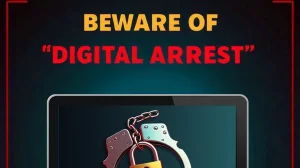
The CBI will make ABHAY, an AI chatbot, available to the public for verifying if a notice they have gotten is in fact from the CBI. The goal of this tool is to deal with digital scams where people are falsely arrested, and then have money demanded from them.
What ABHAY will do
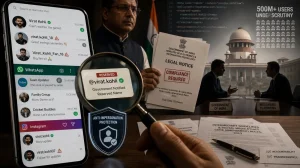
ABHAY is an AI chatbot for checking notices, and the public can use it to make sure documents that claim to be from the CBI are authentic. You will talk to the system to confirm a notice, and get directions on what to do if the notice is found to be a fake.
Everyone will be able to use the chatbot as a quick way to check. It won’t be instead of getting proper legal advice, but it will be an immediate way to know if a threat or demand really came from the CBI.
Reasons for the new tool
Scammers are pretending to be CBI officials, showing fake notices relating to cases that don’t exist, to get money from people. They claim you are being arrested or investigated to get large amounts of money, and sometimes keep victims terrified until the money is paid.
A court has said that criminals have stolen 54,000 crore rupees through all kinds of scams, and called these operations a kind of theft. Because of the increase in complex digital identity theft, the CBI is making a verification tool available to the public.
Launch and the memorial lecture context
ABHAY will be introduced at the 22nd D P Kohli Memorial Lecture. The Chief Justice of India will be speaking at the lecture about the problems of cybercrime and what the police and courts should do about them. Twenty-four Medals for Meritorious Service will also be given out at the event.
The D P Kohli Lecture has been held since 2000 to encourage discussion about law enforcement and investigative problems. It’s in honor of the CBI’s original director, and it’s a place to share good ways of doing police work and making sure the police are responsible.
How people should use the chatbot and stay safe
If you get a notice, check if it’s real with the chatbot before you pay anything or give out private information. Keep the original notice, write down who sent it, and do not click on links you don’t recognize, or give your bank details to people who call or text you.
Scammers might contact you by phone, email, text message or on social media, and pretend to be officials. If the chatbot says a notice is fake, tell the local police and the CBI’s help lines at once and you should make a formal complaint.
Limits and expected effects on fraud prevention
ABHAY is meant to stop scammers from successfully pretending to be someone they aren’t, but it isn’t a full answer. Determined fraudsters will change how they work, so the chatbot needs to be used alongside telling the public about scams, and the police working together to stop them.
Officials think that having this verification service will reduce the amount of blackmailing cases by removing any doubt for people who might be victims. We will continue to educate the public, make it easy to report scams, and update the technology, all to continue fighting digital arrest scams.