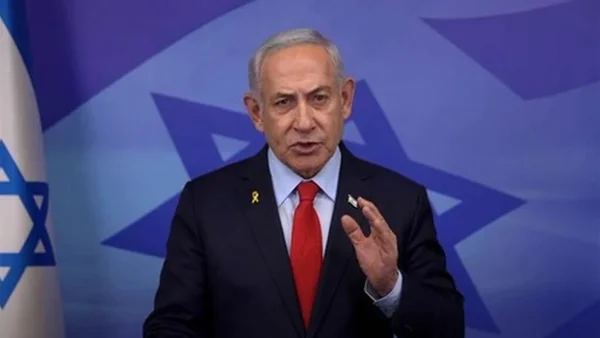
During a press conference with a visiting leader, Netanyahu described the argument with Iran as a very clear moral one. He said this showed he and a main ally are still strongly agreeing on things.
Netanyahu frames the confrontation as a civilizational struggle
Netanyahu explained that Israel and its closest ally are fighting against a 'huge and oppressive power‘ that threatens Israel, Western countries, and supports terrorism around the world. He believes Iran wants to destroy Israel and cause problems for the United States.
He said Israel has done a lot of important things, but also cautioned that things can change quickly and at any time. This way of speaking showed both what has already happened and that the situation could get much worse very fast.
Allied positioning and diplomatic implications
The Prime Minister’s choice of words is meant to get people to support Israel by making the problem seem bigger than just a fight between countries in the Middle East. By presenting this as defending Western civilisation, he hopes to get more political support from allies and continue to work with them.
However, that kind of talk could make tensions worse with countries that don’t see the conflict the same way. Good communication through official channels and public statements will be necessary to prevent misunderstandings as Israel takes military and political actions.
Border operations and the so-called ‘Yellow Line’
In other news, the Israeli military says it has killed someone with a weapon who crossed the ‘Yellow Line’ in southern Lebanon. They haven’t provided any proof to support this. The ‘Yellow Line’ is an unofficial boundary about 6 kilometers (roughly 4 miles) north of the border between Israel and Lebanon.
Military leaders have indicated they intend to continue controlling the area and say they are still able to attack, as they work to stop groups that are actively hostile. Experts have noted similarities with the way zones have recently been controlled in other areas where there are disputes.
The Lebanese army said one of their teams removed a dirt wall on a local road, set up a place to watch for activity, and have begun putting in a temporary cement crossing to allow vehicles to go across. Local troops are also concentrating on fixing a broken bridge so communities can be reconnected.
Human cost and infrastructure impact in Gaza and southern Lebanon
The fighting has definitely hurt civilians. Reports from Palestine say a child died near a refugee camp and more people were hurt when a drone struck a motorbike. Hospitals are treating a number of injured civilians.
In southern Lebanon, many roads and bridges have been badly damaged, which has disrupted people’s daily lives and forced them to leave their homes. Since a ceasefire, officials have begun removing rubble and fixing essential services, and hundreds of thousands of people who had left are starting to return.
Strategic outlook and risks of escalation
Netanyahu’s way of talking about this as a clash of civilizations could strengthen the determination of Israel and its allies, but it also makes it harder to calm things down through negotiation. When leaders talk about things as a matter of survival, those on the other side are likely to respond in the same way, and that increases the chance that the conflict will escalate by accident.
What actually happens on the ground will be just as important as what is said. If the military’s statements can be checked, if steps are taken to avoid conflict, and if civilians are protected, the fighting is less likely to spread to the wider region. The need for aid and rebuilding will be significant, no matter what the political situation.
In short, we are at a point where strong political statements, continued military action and a very difficult humanitarian situation all come together. The Prime Minister’s warning that this isn’t over shows how easily things could get out of control and escalate, and how closely other countries in the area are watching.