According to the force, this was a syndicate that was siphoning ill-gotten gains from overseas into India. The sheer number of arrests and the size of what was taken home is meant to be a statement: the heat is on for these operators.
You had people from as far as Europe and North America in the mix, which shows how Indian call centres have been part of a larger, cross-border pipeline. This isn’t just another raid; it’s about breaking the system.
We’ve let the Income Tax department know and we’re starting to follow the money where it goes after the initial seizure.
Raids that hit the operators where it hurts
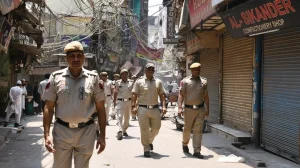
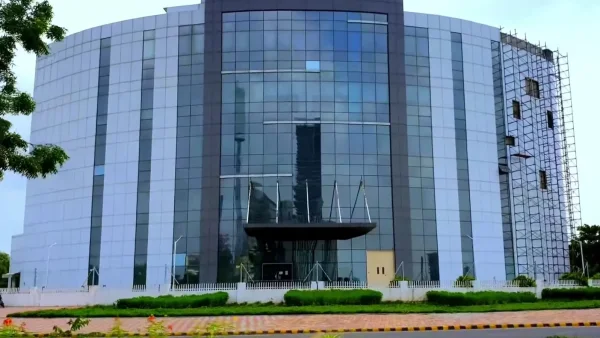
It all came down to some solid intel. We hit several places at once – you name it, from the commercial blocks near Sandhu Tower to Silver Oak. These were no ordinary offices; they were illegal call centres with a well-oiled operation.
Key developments so far
“Over 300 accounts are frozen, and we’re working on more,” says Police Commissioner Swapan Sharma. An FIR is in the books at the Cyber Crime station under a host of sections of the BNS and IT Act.
To clarify the enforcement picture, police highlighted a few milestones:
– 132 accused persons apprehended from illegal call centres
– Rs 1.07 crore in cash seized during raids
– More than 300 bank accounts frozen to choke flows
– 98 laptops, 229 mobile phones and 19 vehicles recovered
– FIR registered under BNS and IT Act provisions
How the syndicate organised itself
In any one of those spots, you’d find 8 or 10 teams, each with a half-dozen or so on the payroll. They had a two-part routine to catch their mark.
The staff were on a fixed wage with a bonus for results, and an operator would make 8-10 calls in a day.
Inside the playbook: from panic to payment
Here’s how it went: a victim would see a pop-up, like from Microsoft, saying they’ve been hit by a virus. The screen would lock up. Then a helpline number would appear. If you called it, X-Lite software would put you in touch with the syndicate.
An ‘opener’ on the other end would talk you into putting on something like UltraViewer for remote access. Then they’d run a scan and start showing you things – a hacked bank account, maybe even a child porn warning – to get your heart racing.
They’d have you open up your email and banking apps while you were on a video link. Once they could see in, they’d hand you off to a ‘closer’ who would tell you your money was in trouble.
From there, it was about getting you to pay up. Some were told to have cash or gold picked up at their door. Others were made to buy Amazon or Apple gift cards and share the codes. A few wired the money to a phony account.
Where the money ended up
The hawala and crypto trails then took that money back to us. With the number of devices and accounts we’ve put our hands on, you can see the layers they put in to hide the paper trail.
Why it matters to global platforms and banks
It’s a lesson for anyone outside the country who trusts what they see on a screen. And for the banks, it’s a nudge to watch out for the odd pattern in a wire or a sudden demand for a gift card.
What police are probing next
What’s next? We’ll be going over the digital footprints and the proceeds of crime. We’re looking at who owns the buildings these call centres were in and if there are more to be named.
The competitive landscape of fraud and enforcement
If you can keep up the pressure, you make it unattractive for a landlord to let his space to a covert outfit. You raise the cost of doing business for them.
The road ahead
For now, we’re still on it. The question is how fast we can turn the data we have from the forensics and the banks into charge sheets, and whether we can get some co-operation from the other side of the Atlantic.
As we trace the hawala and the rest, the whole equation for these scammers might start to change. That’s the point of all this.