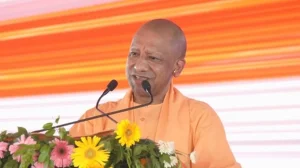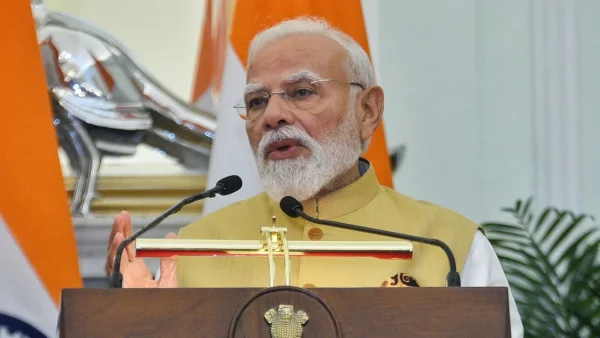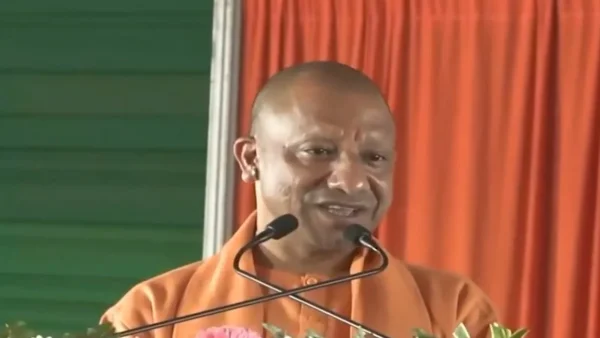
The Chief Minister has made no secret of his view: streets should be left open. Speaking at an event in Lucknow on Monday, he put forward the idea that prayers have their place but they shouldn’t be in the way of those trying to get from point A to point B.
It’s part of an old argument over who gets to use public space. Adityanath sees the road as a piece of civic infrastructure for your daily commute, not for a congregation that puts a brake on traffic or makes things hard for others.
In fact, he was at pains to point out that you won’t find namaz being offered on the roads in Uttar Pradesh any more. “People will ask me if it happens here and I tell them it doesn’t, go and have a look,” he said.
Order over obstruction, with a shift-based solution
When you have a lot of people and not enough room, he says, it’s on the faithful to make do with shifts so as not to put a crimp in the normal course of life. The government isn’t in the business of stopping anyone from praying, but it won’t countenance it on the street.
For the most part, the administration will put its weight behind getting people to see sense. But if they don’t, we’ll have to take a different tack to keep order. He made the same point in a video after the event: the road is for moving, and if you want to pray, do it in a way that doesn’t block it.
Here are the core positions he set out:
– No namaz on public roads
– Use shifts to manage large gatherings
– Persuasion first, then stricter steps
– Law applies equally to everyone
Stakeholders and on-ground implications
You can see how this would be a relief for a commuter or a shop owner during the rush hour. For the ones running the show at the mosque, it means a bit more planning and crowd control.
Political backdrop and past references
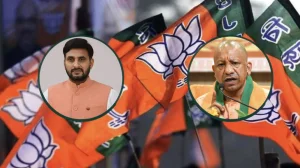
There’s a through-line to this from his 2026 West Bengal campaign, where he had a few words for the Trinamool Congress over how they let the streets be taken over for religious reasons and then put in curfews before a Hindu festival. Now he’s making the case for how U.P. does it.
What to expect next
The message is unambiguous: you can practice your religion, but not on a public thoroughfare. We’ll be talking to people and working with the community to make sure of it. With all the talk about the use of public spaces these days, the U.P. model is one of non-obstruction and some discipline. How far it goes beyond here is down to whether local officials can make it stick.