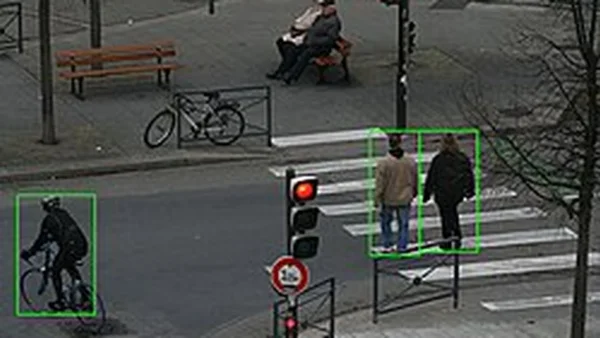
After a trial on Fergusson College Road proved that finding violations as they happen is possible, Pune is going to expand the AI traffic enforcement. Almost 500 locations will have intelligent traffic management system (ITMS) cameras and, in most cases, the violations those cameras find will automatically get a ticket, making enforcement more uniform.
AI cameras to enforce traffic rules across 500 spots
The ITMS system is designed to make it impossible to avoid penalties by both finding the violations and issuing the e-challans automatically. City officials say the system will issue about 99% of the tickets on its own, which means less decision making by people and more people following the law. The cameras will mostly be at intersections, on main roads, and on roads with a lot of cars throughout the city.
The cameras will be monitoring things 24/7, creating a digital record of people who break the rules repeatedly, and allowing for specific steps to be taken with those drivers. The system uses automatic number plate recognition and a photo or video with a date and time stamp to make enforcement predictable and able to stand up in court. Car owners will get a text message and a link to pay online.
How the AI-enabled ITMS works
The AI cameras use ANPR (automatic number plate recognition) and computer vision to instantly spot violations. They will identify things like running red lights, speeding, driving on the wrong side of the road, changing lanes incorrectly, parking illegally, and not wearing a helmet or seatbelt. When one of these happens, an e-challan is automatically sent out with pictures or video as proof.
The technical part of the system uses “edge computing” to quickly find violations and then sends that information to a central place for more detailed analysis. The machine learning models are “trained” using how traffic actually moves in Pune to reduce the number of incorrect reports. The system also connects with the traffic lights and map apps to show how violations relate to the layout of the road and where enforcement is happening.
Expected impact on violations and congestion
The authorities think that if the rules are enforced more strictly and fairly, people will drive differently and break the rules less, and this is a big part of what causes traffic. Officials believe almost all of the traffic is because of violations, and if people know they will be penalized, this could really reduce delays and accidents. Knowing the penalties are certain also allows people to make safer plans for their trips.
The cameras will cover a much wider area – around 500 places – making it harder to avoid enforcement and encouraging people to follow the rules along the whole road, not just in certain areas. A digital history of offenses will allow for those who repeatedly break the rules to get specific training or stricter punishments, and hopefully, stop doing it.
Complementary infrastructure and behavioral measures
AI enforcement is just one part of a bigger plan to deal with congestion. The authorities are planning to make 32 important main roads better, shorten how long you have to wait at traffic lights, remove things that are blocking the roads, and find ways to make the average speed of travel increase. They are also doing smaller repairs like fixing potholes, making lane lines clearer, and changing some streets to one-way.
Officials say that enforcement has to go along with changing how people behave and having better public transportation. Right now, only 11 percent of people use public transportation. Getting more people to ride the bus or the metro and building more housing and businesses near these transport options can make trips shorter and people less dependent on their own cars.
Challenges and data-driven planning
In the long run, the city will have problems because more people are buying vehicles faster than the roads are being improved. A bridge that was built for 19,000 cars now has nearly 90,000 on it, which shows that there haven’t been enough plans for the future. With approximately 7.8 million cars registered and only 7 percent of the land being used for roads, it’s essential to use information from things like Google and TomTom in real time to make good plans.
The main difficulties will be protecting people’s privacy, making sure the algorithms are correct, keeping the data safe, and having a clear way for people to appeal a ticket if they disagree with it. Regular checks, public displays of the data, and clear laws can help people trust the system while it’s improving traffic and safety on the roads.