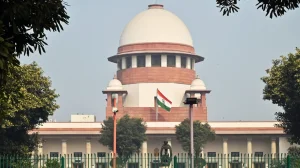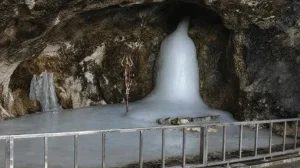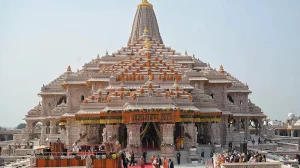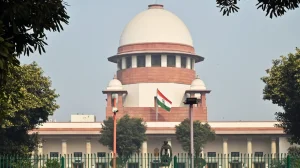
On Monday, the top court turned down a public interest plea to put new pay structures in place for priests, sevadars and others in these institutions. It was a clear message that any kind of pay overhaul is up to the states and other legal channels. The ruling leaves a thorny labour issue in the religious world in limbo.
Why pay at temples is under new scrutiny
You could see it as a test case: with the state in charge of these temples, how do you apply the labour codes? The core of it is whether the staff are entitled to the same wage protections as anyone else, and where the courts should draw the line when policy and faith come into contact.
What the Supreme Court decided
Justices Vikram Nath and Sandeep Mehta made it plain they wouldn’t be hearing the petition under Article 32. They let the petitioner’s lawyer, Ashwini Upadhyay, have his way and withdraw the case, with the option to use whatever remedy the law provides.
In fact, the judges were a bit firm with Upadhyay, telling him to stay out of the priests’ business since he might not know what they make. If someone has a grievance, they can come to the court themselves, the bench said, instead of trying to make a broad point under Article 32.
What the plea asked for
The original petition, filed by advocate Ashwani Dubey, was asking the Centre and the states to form some kind of commission to look at what the staff in state-controlled temples are being paid. It also wanted a formal declaration that these men and women are employees as per the 2019 Code on Wages. The argument was simple: once the state takes over the reins, an employer-employee dynamic is born.
Here are the key signals from the ruling and the plea:
– Top court declined to act under Article 32.
– Commission request shifts to other forums.
– Employee status under Section 2(k) remains open.
– Protests may influence subsequent litigation.
Then there is the question of dignity. Citing Article 21, the petitioner contended that without a decent wage, the right to livelihood is being trampled. Some high courts, like in Allahabad, have already made pronouncements in this direction.
Incidents that shaped the demand
All of this came to a head in Varanasi on April 4, after a trip to the Kashi Vishwanath temple showed, or so the plea put it, that some staff were making less than they needed to get by. And it’s not just there; in Andhra Pradesh and Telangana, you’ve had big protests from temple workers who say they aren’t even getting the minimum for unskilled or semi-skilled work.
The petition called it what it is: exploitation. The endowments departments, which run the show, should be the example, but they are flouting the Minimum Wages Act and the spirit of Article 43.
To prove the point, the filing even brought up a circular from a Tamil Nadu department in February 2025 regarding the Dandayuthapani Swami Temple in Madurai, which put a stop to priests taking dakshina in aarti plates. With inflation set to be factored in for 2026, the petitioner felt the only way to stop the marginalisation of these workers was to have the courts step in.
What happens next
Now that the petition is off the table, we’ll have to wait and see what happens in lower courts. The whole thing may come down to whether anyone is willing to accept the employee label under Section 2(k).
The policy stakes
There is more to it than a pay cheque, of course. It’s about how the state governs its temples and what rights the people working in them have. The court has left the door open for those with a bone to pick to make their case. But the hard part remains: finding a way to juggle administrative power, constitutional rights and the peculiar nature of a religious institution.