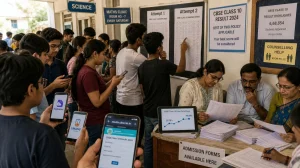
UGC NET June 2026 candidates look set for a crucial update, with the provisional answer key and response sheets likely on ugcnet.nta.ac.in this week. With the CBT concluded and a rescheduled paper in Jalandhar on July 5, the key will help around 9.08 lakh test takers gauge outcomes and plan next steps.
For students, the release is not just an information drop. It is a decision point that shapes applications for Junior Research Fellowship, Assistant Professor eligibility, and PhD admission based on how they have performed and the category-wise cut-offs that follow.
Why the provisional key matters for students and universities
Institutions get visibility into applicant pools early, while candidates can validate answers and estimate scores before results. That advance clarity minimises uncertainty for departments preparing admission timelines and for aspirants weighing fellowship and teaching pathways.
The key also enables error correction. Candidates can flag discrepancies during the objection window, improving fairness before final evaluation locks in.
When to expect the UGC NET June 2026 answer key
The National Testing Agency has not announced a date. However, the provisional key is expected shortly, and it is also expected between July 15 and July 20. With the re-examination in Jalandhar completed on July 5, the answer key is the next major update in the cycle.
This timing matters for planning. It narrows the wait for those targeting JRF or teaching roles in the coming academic term and lets universities pace their screening.
Exam timeline recap
The UGC NET June 2026 examination was held in Computer-Based Test mode between June 22 and June 30. For candidates allotted centres in Jalandhar, the test was rescheduled and conducted on July 5 due to administrative reasons.
How to access response sheets and challenge answers
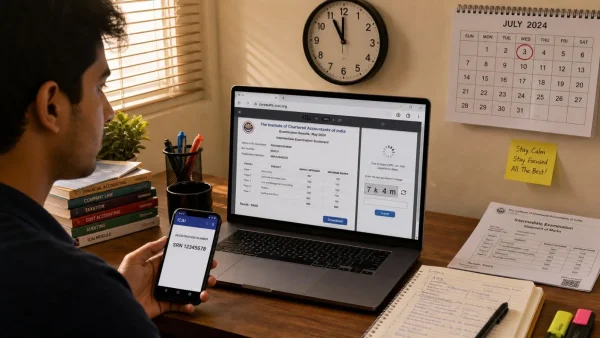
Once released, candidates can log in to the official portal and check everything in one place. The website will host the provisional answer key, individual response sheets, and question papers for cross-verification.
Access will require the application number and date of birth. Candidates can download documents, compare their recorded responses, and submit objections within the stipulated window by paying the prescribed fee for each challenged question.
For quick reference, keep this checklist handy:
– Visit ugcnet.nta.ac.in only
– Log in with application number and date of birth
– Download key, response sheet, question paper
– Note the deadline for objections
– Pay fee for each challenged question
From objections to results: what happens next
Subject experts appointed by the NTA will examine all valid objections. Only after this review will the final answer key be prepared and published.
The UGC NET June 2026 results will be prepared on the basis of the final key. No further challenges will be accepted after it is released, making this the last opportunity to seek corrections.
Scorecards will indicate whether a candidate has qualified for Junior Research Fellowship, Assistant Professor eligibility, or PhD admission. That outcome depends on performance and the category-wise cut-offs announced by the NTA.
For candidates aiming at research funding or faculty careers, these distinctions are significant. JRF can unlock stipends and research pathways, while Assistant Professor eligibility supports direct entry into teaching roles, and PhD admission aligns with doctoral goals.
In the immediate term, the priority is procedural readiness. Candidates should gather login details, track the objection window closely, and prepare evidence-based challenges if required. Universities, in turn, can ready their timetables to align with the results once published.