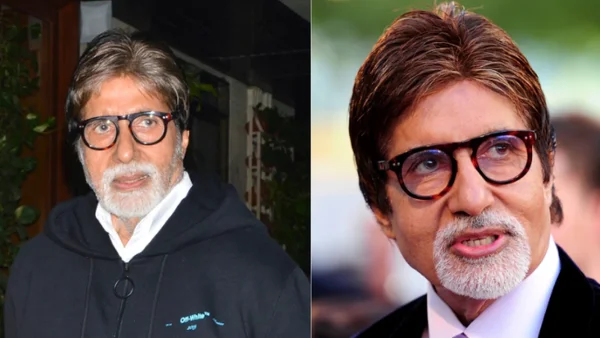
Amitabh Bachchan’s World Cup comment has set off a firestorm online, pulling the FIFA World Cup 2026 conversation into a charged debate on identity and representation. After France beat Paraguay to advance, the actor’s post spotlighting the team’s racial make-up drew swift backlash and revived an old controversy.
Backlash after France’s win over Paraguay
In a post labelled T 5794, Bachchan wrote that the France team had 11 players with 10 Black and 1 white, framing it as a celebration of Black excellence. Within hours, the remark became a flashpoint on X, attracting heavy traffic and polarised reactions.
For many users, the wording crossed a line. Critics argued the message reduced elite athletes to skin colour rather than recognising them as French footballers who earned selection on merit. Several responses called the framing unnecessary and insensitive.
Why the wording touched a nerve
France’s squad often mirrors the country’s multicultural reality, with players who may have African or Caribbean roots but were born and brought up in France. Detractors said the post glossed over that lived experience and, by emphasising race, implicitly questioned their French identity.
Supporters countered that the actor merely pointed out something visible on the pitch. Yet even some who defended his intention conceded that phrasing matters, and that the choice of words fuelled misunderstanding rather than appreciation.
What users are saying
The most common positions emerging from the debate are straightforward but hard to reconcile:
– Many say players should be identified as French first
– Several call the wording insensitive and reductive
– Some insist he was only stating a visible fact
– Others stress France’s long multicultural history
Echoes of 2018 return
The uproar has also reopened a familiar chapter. Back in 2018, after France lifted the World Cup, Bachchan posted that Africa had won the tournament, referring to the number of players with African heritage. That earlier message drew strong criticism for minimising the players’ nationality.
This time, the parallels were hard to miss. Users resurfaced screenshots of the 2018 line to argue that the framing had not changed much, even as the global conversation about race, identity, and belonging has moved forward.
Why it matters now
The latest post did not arrive in a vacuum. With the World Cup spotlight on France again, narratives about who gets to be called French are colliding with the joy and pressure of knockout football. For fans, it is about more than a scoreline; it is about recognition and respect.
The incident also shows how a single sentence from a towering public figure can rewrite the online agenda during a major tournament. In a year when football is meant to unite, the reaction underlines how quickly talk of heritage and nationality can divide timelines.
What comes next in the conversation
The debate has pushed many supporters to refocus on what the badge represents. For them, France’s rise reflects a talent pipeline shaped by different backgrounds, yet bound by a shared jersey. Critics of the post say that is precisely what the actor’s wording failed to honour.
For others, the episode is a reminder to celebrate performance without erasing origin stories. The tension between acknowledgment and reduction is where much of the disagreement now sits, and it is unlikely to disappear while France remain in the tournament spotlight.
As the World Cup narrative accelerates, one takeaway feels clear: words matter, especially when they travel fast. And on a night when France moved forward on the pitch, the online conversation took a starkly different turn off it.