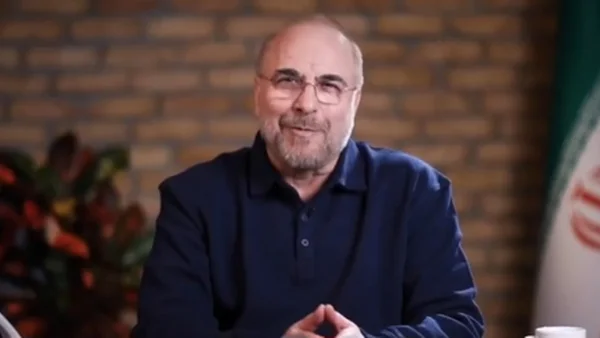
On Monday, Prime Minister Narendra Modi called Balendra ‘Balen’ Shah and Rabi Lamichhane after the Rastriya Swatantra Party had a clear win in the general election in Nepal. The talks showed India was ready to work with the new leadership and showed a start to better relations between the two countries.
Modi’s congratulations and public statement
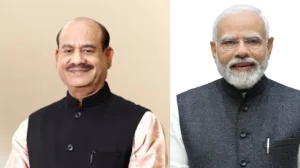
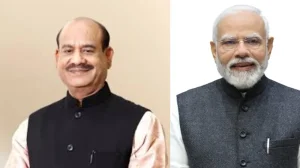
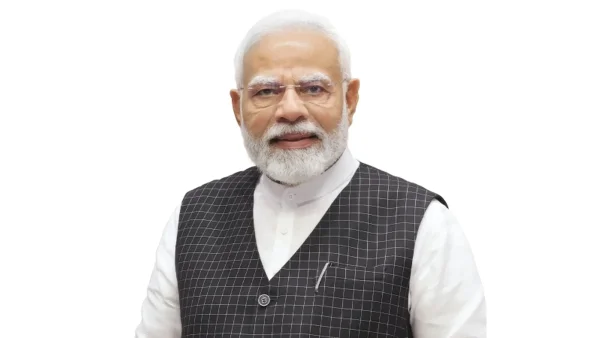
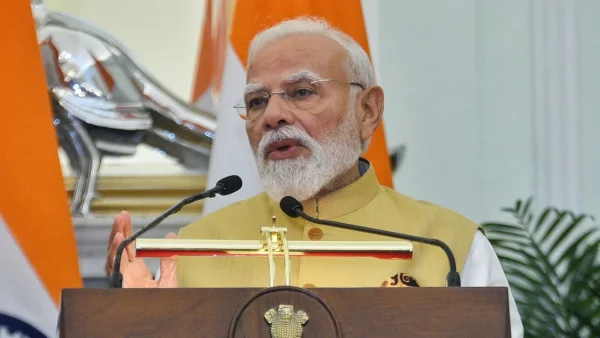
Prime Minister Modi said on X that he’d had really good phone talks with Rabi Lamichhane – the RSP chairman – and Balendra Shah, a leading RSP person. He congratulated them on doing well in the election and wished them all the best in making the new government in Kathmandu.
Modi took the chance to repeat India’s promise to shared wealth, advancement, and well-being for the two nations. He felt sure that working together would make India-Nepal relations better in the years to come, and promised to go on helping with things both countries agreed were important.
Balen Shah’s quick move from mayor to national leader
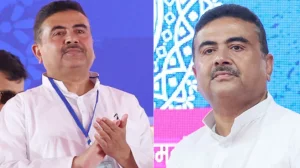
Balendra Shah – well known as Balen Shah – went from being a structural engineer and rapper to a key person in politics. He first became well known to the public during the election to be mayor of Kathmandu, where he got a name for being an outsider who wanted changes.
Now set to be Nepal’s youngest prime minister, Shah getting to this position shows that more voters want new leaders. His mix of training in engineering and being liked by many people has changed what people expect from ruling and from changes in generations in Nepal’s politics.
Election results and how big the RSP win was
The Election Commission said Shah won Jhapa-5 with 68,348 votes – almost four times the 18,734 votes that the long-serving politician KP Sharma Oli got. The RSP doing so well in all the areas it fought in was a landslide that changed how politics worked in Kathmandu.
Rabi Lamichhane being the RSP chairman made the party’s power even stronger. The sweep gave the RSP a clear say in leading talks about forming a group of parties and in deciding what policies to follow when the new government was in office.
What the landslide win means for the area’s politics
A clear win for a new political force has effects for how countries in the area deal with each other right away. India quickly getting in touch is to make relations stable and to show a good two-way plan after the election result shifted Nepal’s political balance.
People who watch things note that clear lines of talking between New Delhi and Kathmandu will help deal with problems both sides have, from trade across the border to linking up infrastructure. Both capitals now have to turn good feelings into real cooperation.
What to expect next: what the government will do and the two-way plan
Making a government and setting a policy plan will be the RSP’s first test. The party must turn what it promised in the campaign into real plans for growing the economy, public services, and changing institutions in ways that appeal to all sorts of voters.
On the two-way side, India will likely give first place to projects that help link things up, make trade easier, and give help for development. Modi’s message stressed partnership, showing New Delhi will want to keep in touch while respecting Nepal’s own choices.
How well the new leaders can manage groups of parties and deliver changes will shape Nepal’s stability at home. For India, a stable country next door with open lines of cooperation helps wider plans for the area and long-term economic links.