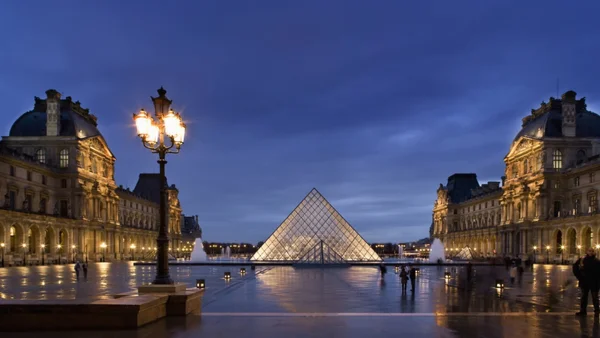
In Paris, with its lovely old buildings, a crime happened that could have come from a movie. On a Sunday morning in October 2025, as the city was starting a day of art and culture, thieves robbed the Louvre Museum and shocked France. Right in the middle of Paris, at a place famous for its history and art, robbers stole Napoleonic jewels in the middle of the day. This incident didn’t just startle France, but the world too, because it shows how easily museums can be robbed and how thieves are changing their methods.
A Bold New Era of Art Theft
This bold robbery at the Louvre isn’t a one-off, it’s part of a bigger change. Criminals are now looking at jewelry more than paintings or sculptures. Jewels, when broken up, are easy to sell, whereas famous artwork is harder to get rid of because everyone knows what it is and where it came from. The Louvre theft is a good example of this newer type of stealing where valuable items aren’t taken for their place in history, but for the value of the materials they’re made from.
Remigiusz Plath of the International Counsel of Museum Security says that cultural places like museums are seen as easier to break into than other very secure places. Museums have to allow the public in and keep them safe, and this makes them naturally more vulnerable, and more and more clever criminals are taking advantage of this.
The Mechanics of the Louvre Heist
On the day of the robbery, the thieves came to the Louvre with a very careful plan. They used a ladder on a truck to get to the balcony on the second floor of the Apollo Gallery, where some of France’s most precious jewels are kept. After getting inside, they only took four minutes to cut open the cases with power tools and run off with eight incredibly valuable items. These included tiaras and necklaces that once belonged to Empress Eugénie and other important people from France’s royal history.
As more details became known, it was obvious this wasn’t a quick, unplanned grab. The accuracy and planning were more like a military operation than a normal theft. The fact that the thieves could carry out their plan so quickly, while people were visiting the museum, tells you a lot about how much they’d prepared and what they wanted to do.
A Historical Pattern
This latest event is another story in the long line of famous art robberies around the world – each is unusual, yet in a strange way, they’re all similar in how daring they are and the effect they have. The 1990 robbery at the Isabella Stewart Gardner Museum in Boston and the 2019 raid on the Green Vault in Dresden are examples; these crimes have captured the public’s imagination, but have left lasting damage to our culture.
Many big thefts in the past have been of artworks by artists like Rembrandt and Picasso. However, art crime historian Laura Evans believes thieves today don’t really care about the art’s cultural or historical value. They’re more interested in how quickly they can get money for something, and jewelry is perfect for this because it’s easy to break up and sell.
Security Under Scrutiny
The Louvre robbery has made people in French art and culture seriously think about how secure national museums are. Even though there are ways to keep visitors safe during an event like this (the museum was quickly emptied), the theft showed big problems with security. Some rooms apparently had no CCTV cameras, and the local alarms either weren’t working or weren’t strong enough to stop determined burglars.
The French police are thoroughly investigating how something so bold could happen in the middle of the day at one of the most famous museums in the world. Interpol’s Cultural Heritage Crime unit may get involved if they find proof of connections to criminals or groups in other countries.
Cultural Repercussions
Security is being improved with technology as part of President Macron’s New Renaissance project (which is meant to make French museums safer), but the harm done is more than just losing the items. The theft is upsetting for both financial and emotional reasons, and many people in France feel this way. Justice Minister Gérald Darmanin publicly expressed how annoyed he is with the security lapses.
This incident both reminds us and warns us that protecting cultural treasures requires being alert at all times to new and changing dangers from people who want to make money and don’t care about keeping things safe.
Looking Forward
As investigations into this specific crime go on, and museums around the world are being looked at much more closely regarding security, museums everywhere need to rethink their weaknesses. They must also manage to protect things and allow access to them, and do this effectively without ruining the experience for visitors, or losing the learning opportunities these places of art and human history offer.
For anyone who enjoys culture, from people who simply like to look at beautiful things in museums each year, to the curators who protect what people from the past have left behind, the message is clear. While stolen items might be bought and sold temporarily, their real worth lasts forever and they will be found again. Humanity will continue to try to understand itself through the things left to us by those who came before.
In short, the Louvre theft shows two things about museums today. They are safe places to celebrate what humans have done, but at the same time they are places where each item shows not only how things break down with time, but also how people constantly want to have power, to own things, and to make progress. This is a strong reminder of how important it is to protect our cultural heritage, and that we all share this responsibility, across all countries and throughout all of time, so that future generations can appreciate these preserved treasures just as people have done for ages, and they won’t be damaged or discouraged, and will remain strong as life continues on, endlessly, and beyond anything we can measure, always and forever.