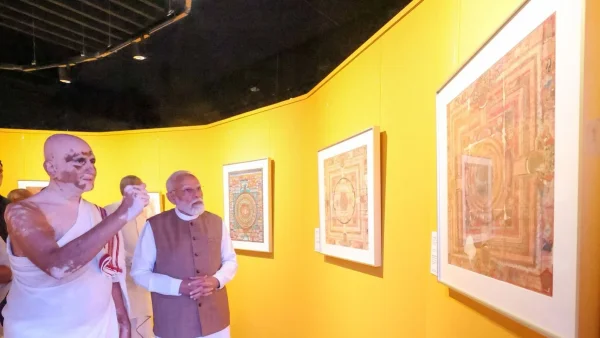
On Tuesday, Narendra Modi opened the Samrat Samprati Museum at Koba Tirth in Gandhinagar at the same time as Mahavir Jayanti celebrations. He walked through the new building, looking at rare objects and collections of historical items that demonstrate how Jainism developed and its effect on India’s spiritual and cultural life.
Inauguration on Mahavir Jayanti
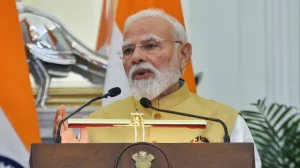
The Prime Minister used the occasion of Mahavir Jayanti to describe the museum as being about peace and not using violence, at a time when the world is unstable. He said the items in the museum show how varied and united India is, and that this coming together of traditions is something that makes India especially strong.
The museum, within the Mahavir Jain Aradhana Kendra in Koba village, gives people a planned path through Jain history. Modi told students and researchers to go to the museum because it can help spread India’s message of non-violence and learning to the rest of the world.
Inside the Samrat Samprati Museum
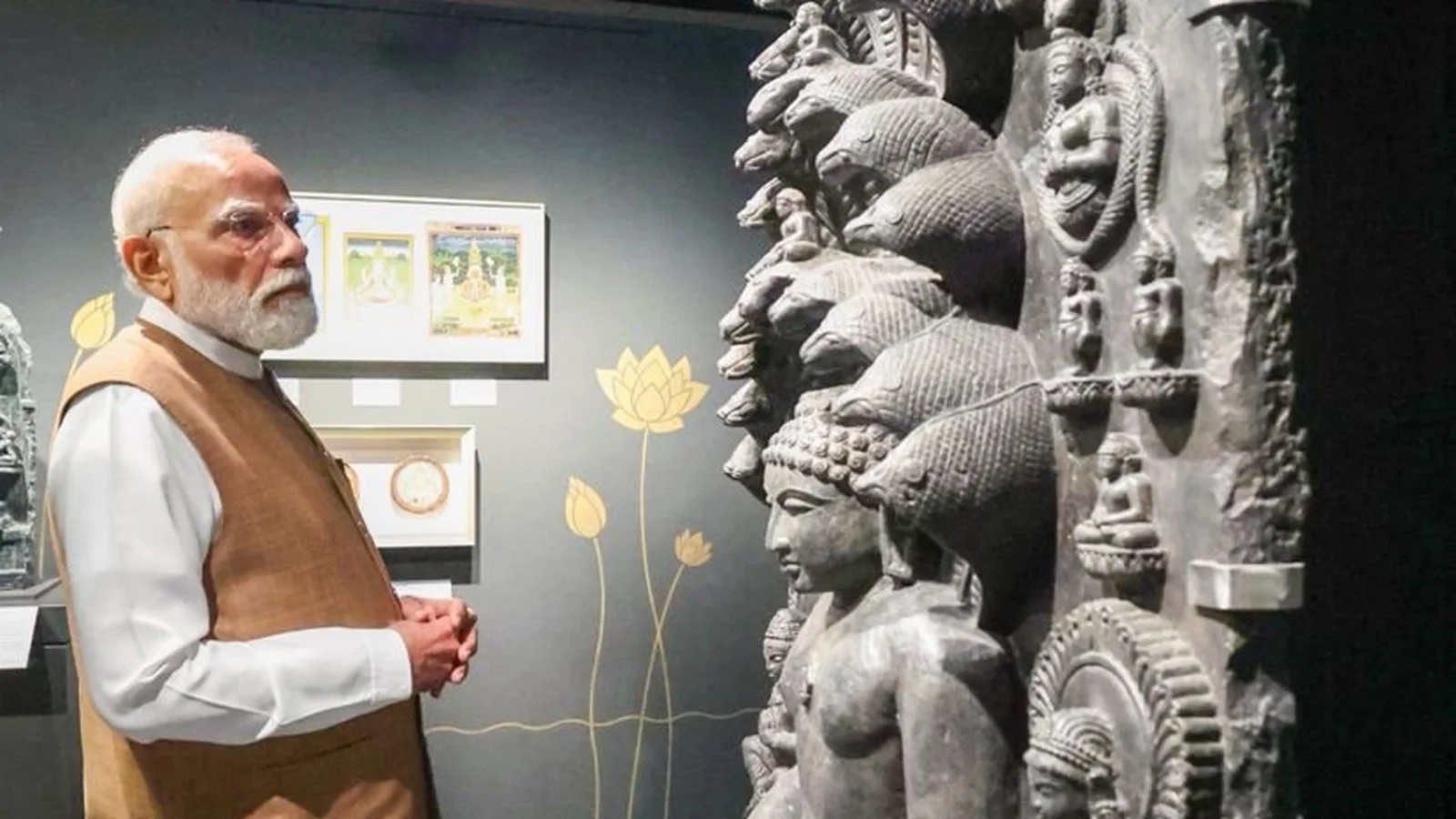
The museum is divided into seven sections, each dealing with a different part of India’s long history and spiritual beliefs. The people who put the museum together show the development of Jainism in order of time, and show how it fits in with the Vedas, Puranas, Ayurveda, Yoga, and other ways of thinking.
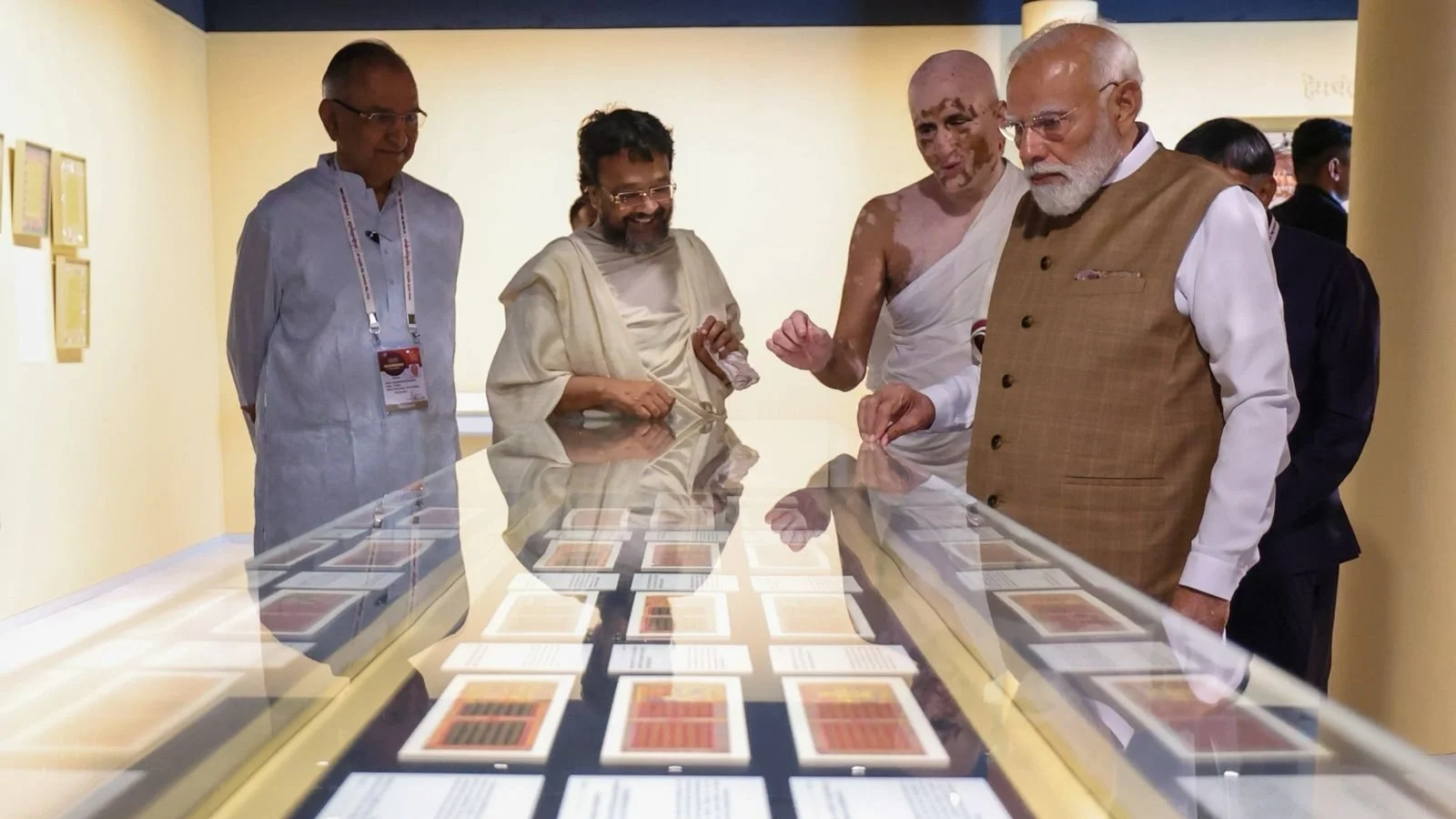
As officials have said, the museum contains over ttwo thousand rare objects in large rooms. These include beautifully made stone and metal statues, Tirth Patta and Yantra Patta, small paintings, silver carts, coins, and old writings saved by many generations of religious people and experts.
Blending tradition with technology
To allow more people to enjoy the museum and be a part of it, the rooms mix traditional displays with new digital and sound and video displays. This is designed to make the museum both completely absorbing for regular visitors and useful for researchers who are looking for original material, understanding of the background, and good quality documentation.
Interactive parts and multimedia help explain symbols, styles from different areas, and religious ceremonies. This is a trend in Indian museums of keeping things as they are but also telling their story, and using technology to improve how people are taught and how visitors enjoy themselves.
Honoring Samrat Samprati’s legacy
The museum is named after Samrat Samprati, the grandson of Emperor Ashoka. Samprati is a Mauryan ruler who is remembered for helping Jainism and the idea of not using violence. Modi said Samprati connected Indian philosophy with actually running a government, and pointed out how political choices can show a commitment to being moral.
By creating a museum on a national scale for Samprati, those who organized it emphasize the historical link between governing, religion, and supporting culture. The rooms are meant to place Jain values in the wider story of Indian history, and show how things have continued over different periods and in different areas.
Preservation, policy, and digitization
In his speech, the Prime Minister mentioned how knowledge was lost when old centers like Takshashila and Nalanda were destroyed, and said that not paying attention in the past made this worse. He said that religious leaders and experts, including Jain monks, had protected what was left by copying and keeping manuscripts safe for hundreds of years.
Modi emphasized the work being done to fix the record by saving and making digital copies of things. He mentioned the Gyan Bharatam Mission, where manuscripts are being listed, made digital, and saved using modern methods. This project also asks people to share manuscripts they have themselves to create a more complete collection for the country.
He also pointed to wider cultural projects to show India’s history. These include a museum about the sea at Lothal which is coming soon, and plans for a full national museum in Delhi; both are to give a larger picture of the country’s history and ways of understanding things.
A resource for researchers and students
The Samrat Samprati Museum makes Gandhinagar an important destination for people who study Jainism and Indian civilization. The way it combines objects, explanations, and digital tools makes it a good source for research, creating school courses, and comparing religion and art history.
People who work with tourists think the museum will add to Gujarat’s cultural attractions, and will get visitors to come who wouldn’t just go on religious journeys. With planned events, guided tours, and perhaps working with universities, the museum can create new research, build collections, and encourage thoughtful cultural tourism.
In a post on X (formerly Twitter), the Prime Minister said the museum’s seven sections celebrate India’s variety and cultural wealth, and show what Jainism has given to people. Visitors can be sure of a carefully planned experience of faith, art, and ideas, with a basis in peace and learning.