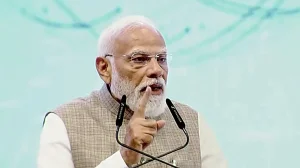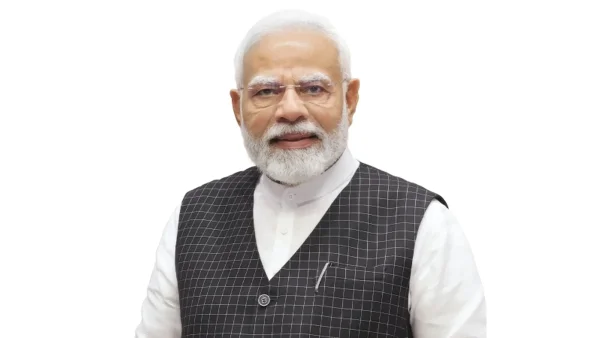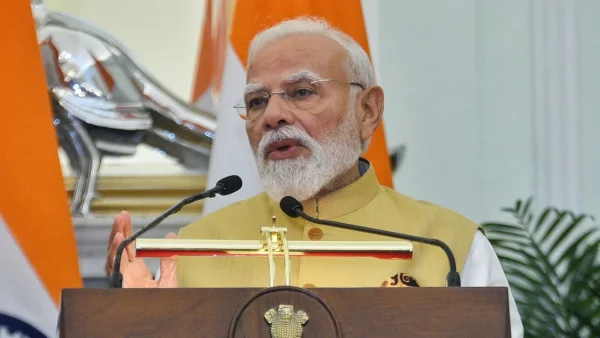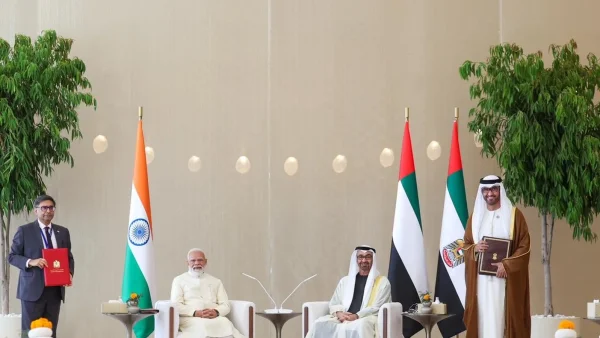
On Friday, in a move to put partners and markets at ease, Prime Minister Narendra Modi said India is prepared to do what it can to see an end to the trouble in West Asia as soon as possible. In Abu Dhabi he was blunt about his disapproval of the recent strikes on the UAE and made the security of the Strait of Hormuz a top concern.
India’s message in Abu Dhabi
In talks with President Sheikh Mohamed bin Zayed, Modi made it plain that India is with the UAE, today and down the line. He lauded the way the Gulf has shown restraint under fire and pointed to dialogue as the only way to get out of this mess.
India’s core positions from the talks were stated plainly:
– All possible support for peace and stability at the earliest
– Strong condemnation of attacks targeting the UAE
– Standing shoulder to shoulder with the UAE
– Free and secure navigation through the Strait of Hormuz
– Adherence to international laws as essential
Regional flashpoints and immediate stakes
You can’t miss the context. The region has been on edge since Iran closed off the Strait of Hormuz in the wake of the US and Israeli moves on February 28. It’s a vital link between the Persian and the Gulf of Oman, and when you have a quarter of the world’s oil going through there, a blockade like Tehran’s puts a crimp in global energy. For India, any kind of hold-up in crude or gas is a worry.
The UAE has been in the crosshairs of Iranian action during the war with the US and Israel. Just last week, a drone hit set a fire in the Fujairah Petroleum Industries Zone, leaving three Indians hurt. The defence ministry in the UAE put the onus on Iran.
So when Modi put in a word for the UAE’s people and leadership, it was more than formality. He called the strikes on the country inexcusable and gave credit to the UAE for its poise. He also let the president know how much we appreciate the way the Indian community here is treated like one of their own.
The Hormuz priority and international law
Modi’s position is one of consistency: we go for diplomacy to settle things and we’ll be in touch with our allies to lower the temperature. He left no room for doubt on the matter of the Strait of Hormuz – keeping it open and untroubled is a must for us.
It comes down to this: steady shipping means a stable region, and it’s what we need for our energy and food. You have to follow the rules of international law to make the waters in West Asia predictable again.
What to watch next
What we’re after in Abu Dhabi is de-escalation and the protection of the sea lanes. When 20 per cent of the world’s petroleum is in play, even a small lull in the fighting makes a difference in the markets. We are in close contact with the UAE and watching the risks to our citizens.
There’s a certain anxiety among those who import fuel, and the jolt to the system so far has been felt. A secure route through Hormuz is the only way to put a lid on prices. By holding to the law and some self-restraint, India is making a stand.
For the UAE, having India in their corner is a form of political support they can use right now. For us, it’s part of how we’ve always done business in West Asia: you work with your friends, you don’t mince words when there are attacks, and you make sure the supply lines stay open.
New Delhi’s line from Abu Dhabi was hard to misinterpret. We’re here to keep the peace, talk things out, and be there for our partners when they are in the line of fire.