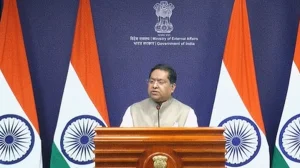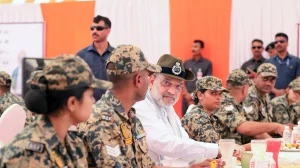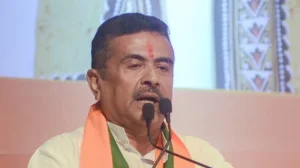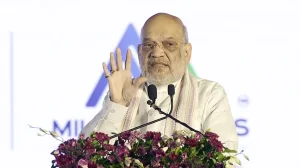
The two sides wrapped up a no-nonsense session in New Delhi on June 11, making illegal movement, border fatalities and criminal networks the order of the day. There is a sense of resolve from both India and Bangladesh now, with fresh leadership in Dhaka and Kolkata, to put in place a more coordinated approach to the border.
Why the timing was right
It is the first time the director generals have sat down to talk since the BNP came to power in Dhaka earlier this year and the BJP’s new government was put in place in West Bengal. That made for some anticipation of a change in how the frontier is handled.
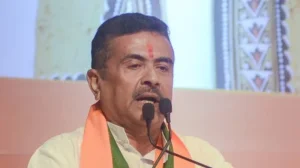
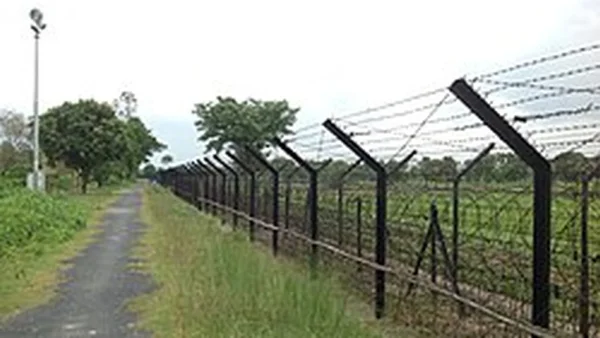
West Bengal is home to 2,216 km of the 4,096-km border between the two nations – well over half of it. Suvendu Adhikari, the state’s new chief minister, has been clear about his ‘3D’ policy: detect, delete and deport any Bangladeshi trying to cross illegally, which means the boundary is under a closer eye these days.
What went on in New Delhi
The 57th biannual get-together of the DGs was held at the BSF headquarters from the 8th to the 11th of June. On the Indian side you had Praveen Kumar, the BSF’s top man, and for the Border Guard Bangladesh it was Maj Gen Mohammad Ashrafuzzaman Siddiqui.
A day after the talks were done, the BSF put out a word that the two delegations had been over ways to put a stop to trans-border crime. They ran through the usual list: narcotics, arms, fake currency, gold, human trafficking and people sneaking across the line.
On security and working together
They also made room to discuss border deaths, whether the crossing was forced or by mistake, and the building of infrastructure. The statement says they are putting in some effort to deal with ’emerging’ problems, including the Coordinated Border Management Plan and some confidence-building on the ground.
In short, both countries have put their hand on the table to say they will stand for peace and stability. They see this as a way to be more in sync when it comes to the criminal elements on either side of the border.
Some hard-and-fast decisions
The BSF says the plan is to be a bit more of a united front. Here is what they are going for: – Put in more joint patrols where it counts
The idea, officials say, is to make it harder for criminals to do their thing and to remind the local community of the line in the sand.
How it was received
If you read the statement, the mood was ‘cordial and forward-looking’, a sign of the trust that exists between the forces. Both were happy with how it went and said it would do good for relations. It was a positive end to the proceedings.
There was one oddity, though. After they signed off on the record of discussions on the 11th, the directors general didn’t hold the press conference they usually do. I don’t think we have seen that before in all these years of talks.
Looking ahead
Now the question is how well it is put into practice on a frontier that is long and easy to cross. In West Bengal, with its 2,216 km of border, the new rules will be put to the test.
We should see the next conference in November, with the Indians making the trip to Dhaka. We will find out then if any of this is for show or if it is here to stay.