It’s being sold as a fresh start for border control. “We are making land available for what the BSF needs – be it for fencing or outposts,” was the tenor of the move. For his part, BSF Director General Praveen Kumar has given his nod to the new direction, saying he sees a change and is looking forward to some good old-fashioned synergy with the state.
What changes on the ground
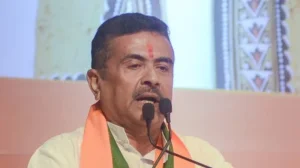
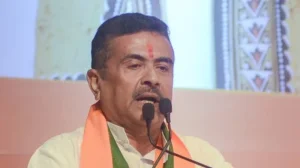
The formalities were done in the presence of Chief Secretary Manoj Agarwal, with 43 acres of bought land and 31.9 acres of vested land going to the force in an initial batch. Adhikari made it clear that his people will be there to see every handover through, so there are no loose ends in the paperwork.
Think of the 27 km as a pilot. But the CM is on record as being ready to put more parcels on the table, even at some Border Out Posts, to get the BSF set up. He has put a two-week timeline on the delivery of the land.
Here are the immediate milestones and checks the state says it will pursue:
– Complete the land handover within two weeks
– Begin fencing work on the 27 km stretch
– Identify and prioritise additional vulnerable segments
– Hold regular district-level coordination meetings
– Target smuggling corridors flagged by the BSF
– Enforce CAA-linked screening before deportation actions
There is a lot of ground to cover. Of West Bengal’s 2,200 km border with Bangladesh, 1,600 km is already walled off, but you still have 600 km in the open. Adhikari calls that a risk and says we need to build fast to put a stop to the kind of movement and smuggling we don’t want to see.
Why the push now
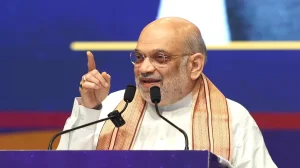
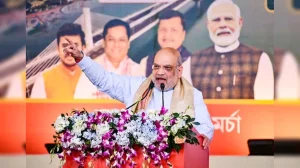
He didn’t mince words about why it hasn’t been done sooner, pointing the finger at the former Trinamool Congress government. He said they held back on giving the BSF 550km of land for the sake of their vote bank and to keep certain elements happy. Even a request from the Centre, which he put down to Union Home Minister Amit Shah, was left on the table.
Stronger coordination and immigration actions
The BSF has been vocal in its approval of the U-turn. And with the state bringing back district-level meetings between the police, the administration and the BSF – something that had been on the back burner for years – you can expect a more uniform way of doing things.
One of the big changes is in how we handle those we catch. If the state police detains an infiltrator, he is now handed straight to the BSF. It’s a provision the Centre asked for last year and the old regime didn’t see fit to do.
Then there is the matter of the May 14, 2025 MHA order. Under the new Immigration and Foreigners Act 2025, anyone from Bangladesh or Myanmar without the cover of the CAA is an infiltrator: they will be cuffed, given to the BSF and sent back. Adhikari was quick to add that if you have applied under the CAA, you won’t be a target. His way of putting it: Detect, delete, deport.
All of this is in keeping with the BJP’s word to the people. In its very first cabinet session on May 11, the government laid out a plan to give the BSF the land it needed in 45 days.
Political stakes and local response
Out in the field, Food and Supplies Minister Ashok Kirtania has been around and says things are going well. You can’t say the same for every corner, though; in Bashirhat in North 24 Parganas, there has been some pushback, a sign of the trouble ahead as the fence line moves into thicket and contested ground.
What to watch next
Now comes the hard part: seeing it through. How the 27 km is put in place, and how the state deals with the new laws, will tell us if we are in uncharted territory or running into the same old problems. Adhikari has made his offer for more land. We’ll be watching to see if he follows through.