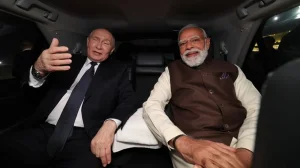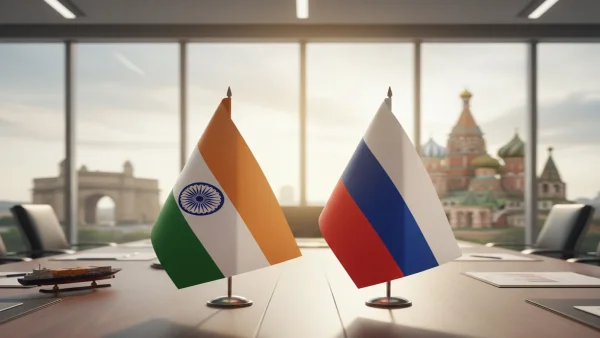
President Putin’s official visit to New Delhi, and the 25th anniversary of the two countries’ strategic partnership and 23rd India-Russia Annual Summit that happen at the same time, mark a really important moment that could dramatically change the course of their long-term relationship.
What the 2030 roadmap is likely to cover
This new Development Program will likely lay out the most important areas and specific projects for the next seven years, until 2030. People in government on both sides see the visit as a chance to take their “Special and Privileged Strategic Partnership” to a higher level by looking at what they’ve done so far and making plans for the future.
The roadmap will probably concentrate on making things together, new technology, transport, space work that isn’t about weapons, energy, getting resources, health care, and having a planned way for workers to move between the two countries. The important thing is to be realistic: decide on projects, figure out how to fund them, get rid of obstacles, and decide on a schedule for when things will happen.
Having something like this will help different government departments, banks, and companies to make sure their plans and money are going to specific, defined results. It might also include ways to check on progress, follow investments, and fix problems that come up in actually doing things.
Trade targets and the economic baseline
Recently, trade between India and Russia has increased a lot. Russia says trade is about $63.6 billion, a 12% increase, while India says it’s a record $68.7 billion for 2024-25. Both countries agree on the main goal: to get trade up to $100 billion by 2030.
Because India buys a lot more from Russia than it sells to Russia, particularly energy and fertilizers, there’s an imbalance the two sides want to fix. The roadmap should allow India to sell more of things like medicine, machinery, chemicals, cloth, IT services and food, and at the same time, keep a steady supply of energy.
Payments, compliance, and logistics
Making trade easier remains a major difficulty. Problems with banking connections, how to settle in a currency, and following new rules can slow down deals. The fact that high-ranking people from finance, customs, and financial monitoring are going with the Russian group suggests both sides are serious about finding practical solutions.
We can expect better banking connections, customs to work together more, and clearer rules for making payments and getting insurance. Reducing difficulties with paperwork and how things are settled would create more value from energy, metals, and manufactured goods, and help reach the $100 billion trade goal for 2030.
Energy, resources, and industrial inputs
Energy will be the most important topic. Indian companies that refine oil have been buying more crude oil from Russia, which helps with the supply in India and keeps prices stable. The roadmap might include long-term agreements about how oil is delivered, stored, shipped and insured, and working together on coal, LNG (natural gas), and the nuclear fuel process.
Energy, resources, and industrial inputs
Fertilizers are also a high priority. A stable supply and price of fertilizers from Russia has a direct effect on India being able to feed itself. A plan for contracts lasting several years and planning shipping together would lessen price swings and help both countries decide how much to produce.
Technology, space, and innovation
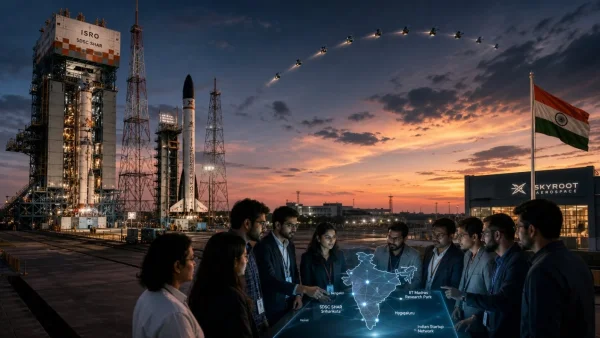
“Peaceful space” work and innovation are getting more attention. With leaders from the space and nuclear industries in the Russian group, the visit could lead to more cooperation on using satellites, launching things into space, space science, and training.
A wider push for innovation could include working together on research, cooperating on building a semiconductor industry, processing important minerals, and setting cybersecurity standards. Specifically working together to make things in India as part of the “Make in India” program would fit with India’s plans for manufacturing and technology.
Transport, manufacturing, and corridors
Transportation and working together on industry are likely to be the main focus. Rail cars, large-scale engineering, and modernizing the railways are important, and there’s a chance for them to be made together and for technology to be transferred. The International North-South Transport Corridor could help goods get to Europe and Central Asia much faster and cheaper.
To make this corridor actually work for businesses, port stops would need to be simpler, paperwork needs to be standardized, and different kinds of transport should work together smoothly. The plan for this route will likely point out which specific routes to try first and how often service should run.
Healthcare, education, and skills
Cooperation in health care covers a lot of ground, from medicines and testing in hospitals to medical equipment and using technology to deliver care from a distance. If they do joint research and make their rules for approving things the same, approvals for medicines could happen more quickly and more products could be sold in both countries.
Moving education and skills, including work programs, will help fill the need for workers in health care, information technology, and engineering. A clear system for accepting qualifications, providing work experience and job training would make things easier for both employees and companies.
Tourism and people-to-people links
Tourism is doing well. In 2024, over 880,000 Russians travelled to India, and around 40,000 Indians visited Russia. Making it easier to get visas, adding more direct flights, and promoting both countries as travel destinations could greatly increase travel in both directions. And more tourists mean more spending on services, in stores, and for small businesses.
Defense logistics and the RELOS agreement
Security cooperation is increasing through practical, useful ways, not just big announcements. Russia’s parliament approved an agreement to send soldiers, ships and planes to each other’s countries. The agreement to exchange logistical support, signed February 18, 2025, is meant to simplify the logistics of military exercises and disaster relief.
Officials state that the established process will be used during joint exercises, training, disaster work and any other cases they both agree on. This will allow the militaries to work together without implying they are formal allies, and it fits with the existing cooperation in making and selling defense equipment.
A heavyweight delegation signals economic intent
The people visiting include high-ranking officials from the defense, customs and financial departments, as well as the leaders of companies involved in space, nuclear power, banking, energy, metals, chemicals and railway equipment. This mix of people suggests the meeting will be more than just for show, and that deals and changes to policy are on the agenda.
India is hoping for longer loans, a reliable supply of materials and the possibility of making things together. Russia will gain access to markets and technology partners as it builds stronger relationships with big economies in Asia.
What to watch during the visit
The things expected to happen include: signing the plan for economic cooperation until 2030 and related agreements, actual progress on how payments are made, banking and customs, long-term plans for energy, fertilizer and shipping insurance, announcements about space, the nuclear fuel process, or working on research and development together, progress on the transport route and possibly making trains or rail equipment together, and ways to make tourism, education and the movement of skilled workers easier.
Risks and constraints
How well these things are done will determine how valuable the plan is. Problems with payments, difficulties with shipping and insurance, and differing regulations could slow things down. India is worried about the imbalance in trade, and it could take a long time to build infrastructure and manufacture goods, which would delay results.
Clear, open systems, a variety of ways to get funding and easy to understand rules for following the rules are necessary. Checking progress regularly and solving problems at the minister level can help keep projects on schedule.
Strategic context and outlook
Both countries are stressing that they want to be able to make their own decisions and are focusing on practical cooperation. Moscow has said it wants to increase how it works with India and improve the technology aspect of their joint projects. New Delhi wants a steady supply of energy, partnerships in industry and more places to export to.
If the economic plan for to 2030 is signed as expected, it will give government officials and businesses a common set of plans to follow. The focus on energy security, manufacturing, technology and transport suggests a move from doing one-off deals to a planned, long-term way of working together.
The meeting in New Delhi, which will end with the India-Russia Business Forum and talks between leaders, is expected to decide what’s most important for the next five years. Whether those priorities can be turned into real projects that get funding will be a test for both countries’ systems. But with the determination to make things happen and a clear plan, India and Russia have a chance to turn their intentions into lasting economic benefits.