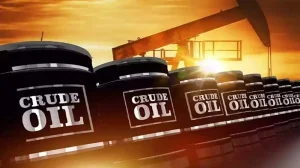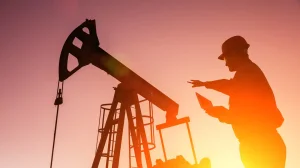
The price of crude oil has jumped sharply, even briefly reaching almost $120 a barrel as tensions have increased in the Middle East. But the government says India has enough oil for any problems, and the supply routes are still working.
No immediate hike in petrol and diesel prices
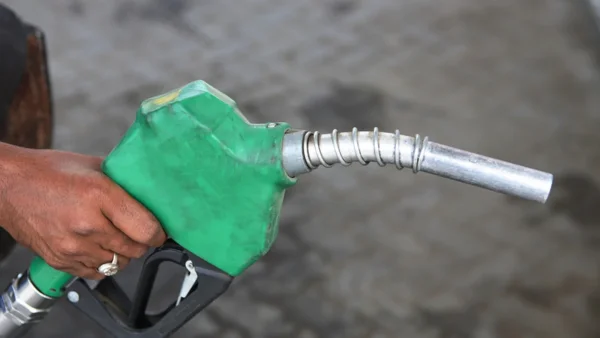
Right now, the price you pay at the pump for gas and diesel won’t changing, with the oil companies covering the increased costs in the short term. The government has been slowly adjusting prices for a while now, with the intention of protecting consumers when prices go up globally, and letting the companies make back some money when prices fall.
Gas and diesel prices have basically been the same since April 2022. During this time, Indian Oil Corporation (IOC), Bharat Petroleum Corporation Limited (BPCL), and Hindustan Petroleum Corporation Limited (HPCL) have lost money when crude oil prices went up, and made money again when they went down. And at this point, there aren’t any talks about lowering taxes on fuel.
The situation with getting oil to people in India is stable. All gas stations are open, people’s gas lines to their homes are working, and CNG stations are operating. Officials are asking people not to panic buy because there is enough oil and a good system for getting it to where it needs to be.
Crude oil volatility and the West Asia conflict
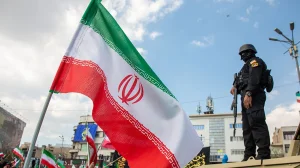
The recent increase in crude oil prices is because fighting has gotten worse in the Middle East. Brent crude went to nearly $120 a barrel (about 65 percent higher than when the conflict started), before dropping a bit. The world’s financial markets were unsteady as traders considered the possibility of oil not being available.
India imports about 88 percent of the oil it uses, so higher oil prices mean a bigger bill for importing it, and can make general prices go up. Right now, the government thinks the effect on inflation is under control, but they are closely watching prices and how much oil is flowing because of the unstable political situation.
Strait of Hormuz and the risk to energy flows
The Strait of Hormuz has become very important. Between 40 and 50 percent of the crude oil India imports, and roughly 85 to 90 percent of its LPG (cooking gas) from countries in the Gulf region, goes through this narrow waterway. Warnings to ships and insurance companies being more careful have occasionally slowed down the tankers.
Officials say there is enough crude oil available from other places, but it’s more difficult to quickly find another source of LPG. A lot of any extra LPG would have to come from the United States and Canada, which are further away and have less available shipping.
Reserves, diversification, and refinery directives
The government thinks India is in a good position for the near future. The oil we have and the refined products we make are enough for about six to eight weeks, and getting oil from different countries has kept a steady stream coming. India started getting oil from other places early in the current problem, which means we aren’t as affected by the places where oil can easily be blocked.
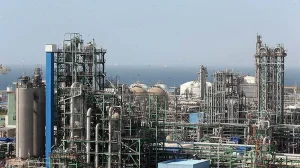
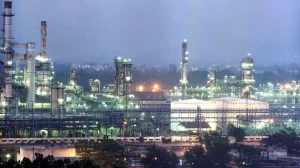
Oil refineries have been told to make as much LPG as possible and not to use it to make other things (petrochemicals) in order to ensure people have fuel for cooking. Along with oil companies having enough LPG in storage, this is to make sure people can get LPG even if it’s harder to get it by sea.
Oil companies will continue to manage prices and how much profit they make within the current flexible plan. The government is ready to change where oil is sent, to make sure important services aren’t stopped if needed.
LPG refill policy tweak to curb hoarding
To stop people from buying more than they need and to make sure everyone has a fair chance to get it, you now have to wait 25 days between refills of your home LPG tank (previously 21 days). Most households use about 7 to 8 of the 14.2 kg tanks a year and won’t need a refill sooner than six weeks.
Officials say this change in the rules is to stop people from creating an artificial shortage, not because people actually need more. Because there is enough LPG and refineries are focusing on making it, the system is set up to provide a normal amount of use without stopping.
Outlook: inflation, contingency planning, and what to watch
In the short term, gas and diesel prices are expected to stay the same as the government is focusing on keeping things stable for consumers. The biggest risks are a long interruption at the Strait of Hormuz or crude oil staying very high (a lot above where it is now). Either of these could cause problems with the cost and getting enough oil.
You should pay attention to how the price of Brent crude is changing, the rules for insuring ships in the Gulf, and any changes to how the oil refineries are operating. For now, the government’s plans haven’t changed: there’s enough oil in storage, we’re getting it from many places, and gas and diesel prices won’t go up immediately. You can expect things to be normal at gas stations, with piped gas and CNG, while the government has plans in place for anything that might happen.