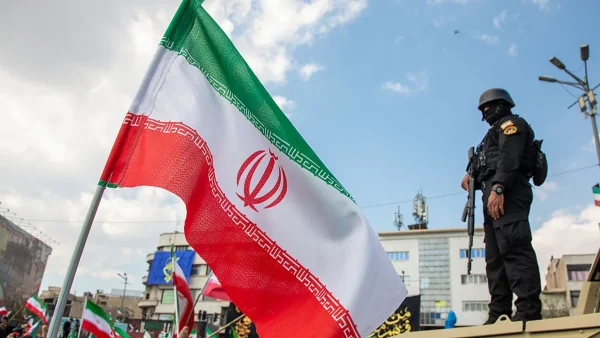
This break in fighting, lasting two weeks, and the expected return of oil tankers through this very important route for energy supplies, leads to the main question for India: what does it all mean? Washington and Tehran agreed to stop attacking each other for fourteen days just under two hours before the U.S. said Iran had to reopen the Strait of Hormuz. Iran said it would work with its military to let ships move again, lessening the immediate danger to the world’s oil supply.
Negotiators worked through a very unstable 48 hours, with harsh words, war plans, and changes to the agreement right up to the last minute. Mediators from many countries passed along suggestions, and countries in the region urged everyone to calm down. It was a very close call to get this agreement, and both the U.S. and Iran are still prepared for fighting if the talks fall apart.
The ceasefire doesn’t last long and has conditions, but it gives time for more talks later this week. How much shipping goes back to normal will depend on whether everyone involved sticks to the agreement and how quickly companies that ship oil and their insurance companies regain faith in the safety of the sea routes.
Immediate Market Reaction in India
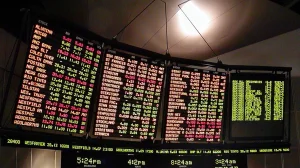
In India, investors suddenly became much more optimistic because the risk of higher energy and shipping costs went down. The main stock market measures went up when they opened: the Sensex by about 3.5%, and the Nifty by over 3%, showing people think problems with supplies might get better.
The price of crude oil dropped quickly. Brent crude fell around 13% to about $95 a barrel, and U.S. crude fell about the same amount to the high $90s. Investors bought about 2% more gold, because they were changing their ‘safety net’ investments as the political risks in the area shifted.
Economic Impact: Inflation, Rupee, and Fiscal Math
If oil prices stay lower, industries connected to fuel costs and moving goods could continue to do well. The rupee (India’s currency) usually gets stronger when oil is cheaper, and oil companies often make more money when they don’t have to cover as much of the cost of oil. Interest rates on government bonds could also go down if people expect inflation to be lower.
About 20% of the world’s fuel goes through the Strait of Hormuz. For India, it being open is absolutely vital. Around 60% of the LPG India uses is imported, and roughly 90% of that imported LPG goes through Hormuz. The recent problems with the Strait had made it hard for both households and businesses to get enough LPG.
India uses around 5.5 million barrels of oil each day, and a lot of that comes from countries in the Gulf. They need about 189 MMSCMD of natural gas, and they get 97.5 MMSCMD of that within India. About 47 MMSCMD of gas that India imports had been stopped because of the conflict (this is called ‘force majeure’).
Energy Supply Relief: Oil, Gas, and LPG Flows
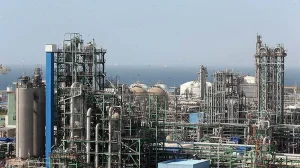
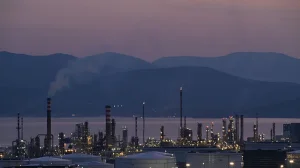
Now that the shipping lanes are open again, the oil and gas that’s already on the way should start to arrive. It will take a few days for ports, ship schedules and places that turn gas into a usable form to return to normal, but the general direction is positive. We can expect LPG to become more available gradually and more reliable supplies of oil and LNG (liquefied natural gas).
Even for two weeks, cheaper oil can protect us from rising prices. Because fuel affects almost every part of the process of getting goods to people, lower oil and shipping costs will eventually lower the cost of delivering things, and that will bring down the prices of important items. If this continues, it will be easier for families to afford things.
Cheaper oil also helps the government’s balance of payments and reduces how much the country spends on imports. The government may also spend less on helping to keep the price of fertilizer and fuel down, which helps the government’s overall financial situation. Oil companies will have more control over their prices, and companies that refine oil might make a bigger profit if the differences in oil types become more balanced.
However, the people making policy will still be careful. The Reserve Bank of India is focusing on controlling inflation, and a short ceasefire isn’t a guarantee of anything. But if energy prices become stable and the general rate of inflation goes down, the policy for the economy will be less likely to focus on stopping inflation, and more likely to encourage growth.
Risks and What to Watch Over the Next Two Weeks
This ceasefire is only for a limited time and is fragile. There’s a risk of problems from all sides and a mistake could quickly make shipping companies and insurers avoid the area again. The extra money charged for the risk of war and marine insurance might not fall in line with the improving security right away, slowing down the return to complete normality.
We need to look for proof that ships are really moving through Hormuz: tracking how tankers are moving on AIS, how busy the ports are, and updates from the main insurance and ship inspection companies. We should also see if oil companies stop using ‘force majeure’ and if the Gulf countries in OPEC start shipping as much oil as they did before the war.
Important diplomatic events will also be significant. The talks later this week will show if the ceasefire can be extended or made to cover more things. Any steps taken regarding nuclear materials, enriching uranium or limiting missiles would be a strong sign that the danger to energy supplies is going down, but we shouldn’t expect too much.
Implications for Indian Businesses and Households
For families: The supply of LPG should improve as the backlog of shipments is cleared, reducing the chance of running out of gas cylinders. Prices at the pump will likely stabilize and might even go down a bit if oil stays cheaper.
For businesses: Companies involved in moving goods, airlines, chemical companies and cement manufacturers might benefit from lower fuel costs. Exporters might have more reliable shipping and fewer delays at transfer points in the Gulf.
For investors: Industries that use a lot of energy and businesses that rely on how much people buy within India usually do well when oil is cheaper. Pay attention to oil companies, airlines, paint companies and car makers, and also how much the price of oil goes up and down.
For managing risk: Companies that spend a lot on fuel should use this opportunity to make deals to fix their prices and find other suppliers. Keeping extra supplies of important materials can protect them from any problems if the flow of goods is interrupted again.
The ceasefire between the U.S. and Iran and the reopening of the Strait of Hormuz gives India some immediate relief for its energy security, markets and how much prices are rising. These benefits are real but could be taken away. If the talks continue and shipping goes back to normal, India will benefit from lower oil prices, more reliable supplies of LPG and gas, and a more stable economy. For now, cautious optimism is sensible.