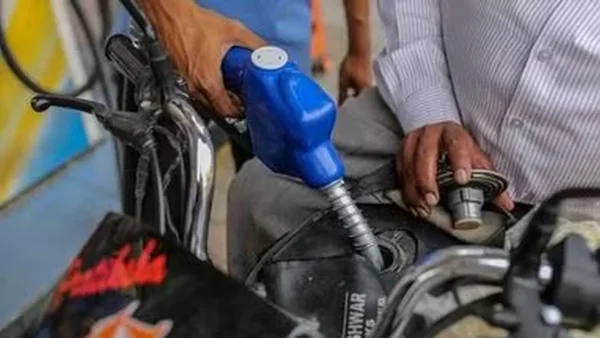
The fourth time in 10 days that we’ve seen a hike has put a finer point on political divisions. Congress is labelling these increases a silent tax and even talking about a protection racket for the big companies. With global crude in a state of flux, it’s only a matter of time before we see logistics get pricier, retail inflation pick up and families have to be more careful with their money.
Inflation and logistics squeeze
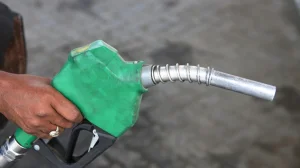
You can expect to see transportation and input costs go up with each new round of price changes for petrol, diesel and CNG. If you ask an economist, they’ll tell you there’s a domino effect when it comes to the cost of living and services, which puts a strain on your wallet and on the margins of commercial haulers alike.
For the oil marketing firms, it’s been a pressure cooker of high crude, a wobbly rupee and supply-side worries over in West Asia. Any unrest in the area, the Strait of Hormuz in particular, has a way of jolting international oil prices and making it hard to control what you pay at the pump here.
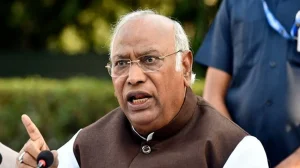
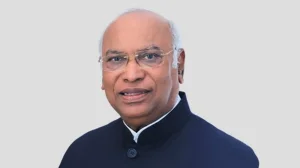
“It is a silent tax on every household in India,” says Karnataka minister Priyank Kharge, referring to the string of petrol and diesel hikes. He makes the point that while the poor are stung by it in their fares and for the basics, the middle class is having to foot the bill for fuel, EMIs and the kids. He’s also had words for those who try to invoke patriotism when the register is open.
Kharge’s view is that people are being told to make do while the government leaves unemployment and weak incomes on the table. Manickam Tagore, an MP from the party, put it more bluntly: “When the oil companies made a profit for 7 days, the price was hiked in 7 hours. When the public has been in the red for 7 months? You don’t hear a peep.”
Historical comparisons raised by Congress
Tagore has been looking at the numbers to show how times have changed. His take is that even though crude is not as dear as it was in 2014, you’re paying 43% more for a litre of petrol. He also pointed to 2016, when the price of oil tumbled but the excise was put up by Rs 11 a litre and left there, to the detriment of the buyer ever since.
The stats he puts forward are telling: back in 2014, a barrel of crude was $114 and you could get a litre of petrol in India for some Rs 72. Come 2016, crude was down to $26 and the pump price was in the region of Rs 64.
It’s 2026, and with crude in the neighbourhood of USD 97 a barrel, you can expect to pay Rs 103 for a litre of petrol.
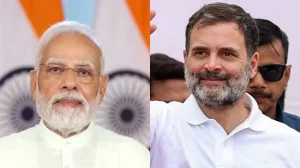
That has not gone unchallenged. Tagore made no bones about it in a post on X, calling out the Prime Minister: “Modi does not work for you. He works for IOC boardrooms and Ambani refineries. This is not an oil crisis. This is a CORPORATE PROTECTION RACKET.” It was all part of the Congress line of attack on where these prices are headed.
The revision on Monday put more strain on the wallets of consumers and transporters in the big metros. In Delhi, for instance, petrol has now put in over Rs 100, in keeping with the kind of increases we’ve been seeing.
This is the fourth time in under a fortnight that we have seen a move like this, a sign of the restlessness in global crude and supply lines. For a household or a fleet, it only adds to what they have already put up with.
Congress frames hikes as silent tax
You can see the political angle: Congress is making a case that these are just another form of tax on your income. They want to make the link between what you pay at the pump and your day-to-day bills to score some points on the government’s economic record.
Why it is being made an issue
But it is not just about the fuel gauge. When diesel gets pricier, so do freight charges, and that makes its way to the price of food and other necessities. With the world economy as it is, it is hard to keep a lid on domestic prices, and in the end, the consumer has to foot the bill.
What is driving it from abroad
If you ask those in the know, it comes down to a few things: high crude, the ebb and flow of the rupee, and jitters over any hiccups in West Asia. There is always a premium if there is even a whiff of trouble at the Strait of Hormuz, which is where much of our crude comes from.
In short
So when we see a new set of rates here, it is a direct result of that. The latest changes are a reminder of how exposed Indian pump prices are to what happens overseas, even as the home-front debate rages on.
City-wise prices after the latest round of changes
Monday’s hike means Delhi is now at Rs 102.12 for petrol and Rs 95.20 for diesel. As these add up, the Congress claim of a 'silent tax‘ will be hard to ignore, particularly as logistics and retail sectors start to feel the pinch.
A look at the numbers:
– Mumbai: Petrol up to Rs 111.21 (a rise of Rs 2.72); diesel at Rs 97.83 (up Rs 2.81)
– Chennai: Petrol at Rs 107.77 (+Rs 2.46); diesel at Rs 99.55 (+Rs 2.57)
– Delhi: Petrol at Rs 102.12 (+Rs 2.61); diesel at Rs 95.20 (+Rs 2.71)
– Kolkata: Petrol at Rs 113.51 (+Rs 2.87); diesel at Rs 99.82 (+Rs 2.80)