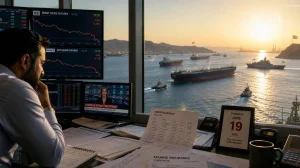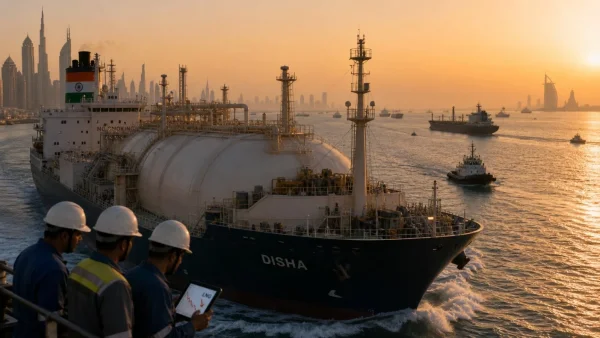
It is an Indian-chartered vessel that is moving in on the Strait, a clear sign of how the US and Iran are putting their new arrangement to the test. The trading floor didn’t wait to see: European gas was down 5.8% at one point and Brent gave up over 4%, a reminder of just how much the world depends on what happens at Hormuz.
Market signals turn on reopening hopes
Take Monday, June 15, 2026, for instance. In the early hours of Asian trade, you had European natural gas sliding as much as 5.8%. Oil was no different; Brent opened with a 4% decline. Get some more LNG through the strait and you start to put some pressure on the kind of supply tightness that has propped up prices in Europe and Asia since March.
What investors are zeroing in on right now:
– A 5.8% fall in European gas
– More than 4% off the top of Brent to open
– An LNG restart to take the edge off a regional shortage
A single voyage as a market barometer
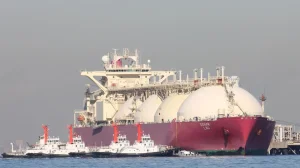
Bloomberg’s ship-tracking shows the Disha has left the Persian Gulf after being there for three months or so, and is now heading for Oman from north of the U.A.E. It’s an Indian state-owned firm on the other end of the long-term charter; the cargo was put on board at Qatar’s Ras Laffan in the first week of March.
In a way, it’s a litmus test. You won’t find many ships in the corridor in the early part of Monday because, with the fine print of the US-Iran side of things still under wraps, owners are being circumspect about the risks.
Deal announced, execution pending
Both Washington and Tehran are saying they have a deal to open the waterway. President Donald Trump has put it out there that once the papers are signed on Friday, the strait will be open for business. But until then, operators will be treading lightly.
It may be a few days before you have all the answers. And that’s significant, given that Hormuz has been off-limits in effect ever since the US and Israel made their move in late February. It has been a headache for delivery schedules and left a lot of tonnage tied up in the Gulf.
Why this matters for buyers
For an importer, opening up Hormuz is a way to get more options and let some of the price steam out of the system. The Disha is a good omen that charterers are getting ready to get back to normal, but the rest of the flow is contingent on how well the new rules are put in place.
Operational fog still hangs over the strait
It’s not easy to keep an eye on things. We’re hearing from maritime types about spoofing and transponders being switched off, which muddies the waters. Some of the ships you can see in a flotilla haven’t put in a position report in weeks, and that makes for some hard calls on risk and insurance.
Vessels poised for a rapid pivot
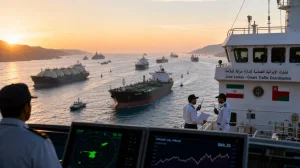
There are groups of them out there, off Dubai and in the Gulf of Oman. Owners and traders are waiting for the word to go. Once they feel the route is in the clear, they can make a quick decision to cross. That’s what you need to see a jump in volumes.
The road to normalisation
Don’t expect it to be a straight line. Traffic was thin in the morning of Monday even with the diplomatic news, as the details of the deal make their way to the fleets and the underwriters. The Disha is the exception, though, and may well be the first to show us the strait is open.
From here, it’s simple. We’ll be looking for hard evidence of a transit, some firm words on safety, and to see if the market follows. If we start to see a lot of LNG on the move, the squeeze that has been in place since March should break, and we can put some stability back in the European and Asian numbers.