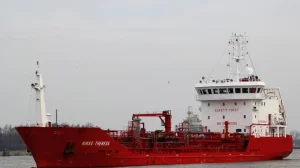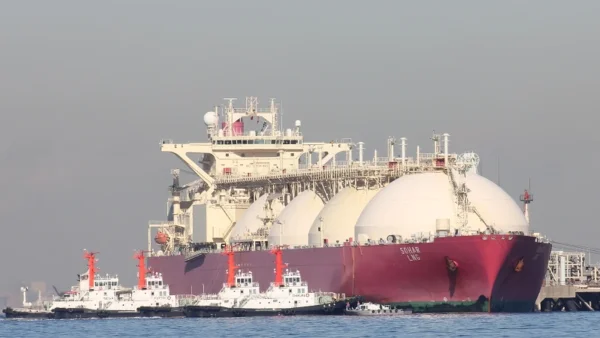
This LNG tanker, which is empty, is trying to go through the strait and could be the first one to do so since the war started. The Sohar LNG had been going in circles in the Persian Gulf for several weeks before heading toward the Qalhat export terminal in Oman.
Movement of the Sohar LNG
The ship says it’s from Oman and is moving east along the southern side of the strait. Information from tracking the ship shows it isn’t carrying anything, and the company that manages and owns the ship uses the same contact details in shipping records.
The Sohar has been in the area for about a month, which shows that ship companies are being very careful about which way they go. After the conflict messed up normal travel, most LNG tankers have stayed away from the strait, so everyone is paying close attention to this attempt, traders and those looking at shipping security.
Why the Strait of Hormuz matters
The Strait of Hormuz is one of the most important places in the world where energy is transported. Under normal conditions, almost a fifth of all the world’s LNG goes through the shipping lanes in the Gulf, so anything that interrupts that flow has a big effect on the market and on how things are supplied.
Who controls the waterway impacts shipping routes and how much insurance costs, and it could mean ships have to sail all the way around Africa if going through the strait becomes too dangerous. Even if people think it will be harder to get through, buyers will start looking for LNG from other places, and that will increase the demand on other exporters and storage places.
Market implications and price pressure
The markets are watching the Sohar because if LNG starts flowing through again, it will reduce the increasing price of gas. The amount of gas coming from the Persian Gulf went down, and at the same time, some plants in Australia were damaged by a cyclone, so there wasn’t as much gas available globally and buyers went to other places to get it.
If the Sohar gets through and Qalhat gets a ship, traders might see that as the first hint that things are returning to normal, which could stop prices from going up so much in the short term. But one empty ship going through isn’t likely to fully restore trust unless ships go through many times, and regularly.
Security, politics and transit controls
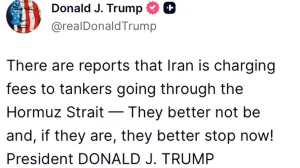
Since the fighting started, Iran has essentially blocked access to the strait, only letting ships they approve or their own ships through. In some cases people have said ships have had to pay in Chinese Yuan or cryptocurrency before getting an escort through the waterway.
What political leaders say makes the situation even more uncertain. When important people talk about about to do something or limited plans to discuss going through the strait, it increases the risks and impacts diplomatic efforts. Shipping companies now have to think about safety, cost, and what their contracts say all at the same time.
What to watch next
Analysts will be looking to confirm the Sohar reaches Qalhat and then for ships with cargo trying the same route. If ships go through regularly and it’s officially recorded, it will mean the restrictions are being eased in a real way, and could start a slow return to normal.
Also important will be official information from authorities in the region about how ships will be escorted and if any fees or paperwork have changed. More generally, what’s happening in the political world and with the weather in other places where supply comes from will decide how quickly the markets will adjust if traffic resumes in Hormuz.