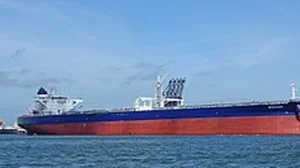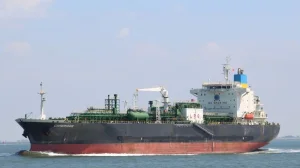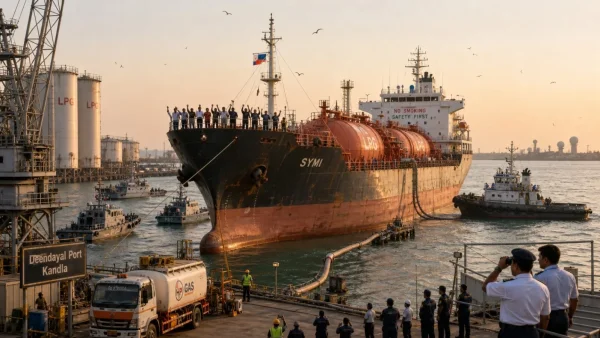
You could say India’s gas lifeline has just made it past a tight spot. The Symi was in port by May 13, having come up from the Strait under a lot of eyes. It’s a case in point for why we can’t let those waterways be closed off.
Why Symi’s arrival matters for India’s energy
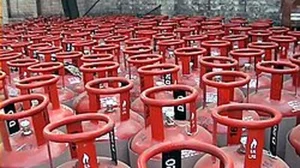
They have about 20,000 tonnes of LPG here for home consumption, port people will tell you. The vessel came into Kachchh on 17 May 2026 with 21 hands on deck – a mix of eight from Ukraine and 13 Filipinos. It’s a delivery that is being watched by everyone from the living room to the factory floor.
We’ve been running a bit low on crude of late with all the sea trouble. Kpler, which tracks these things, puts our stockpiles at 91 million barrels, down from 107 million back in February when the fighting started. At 5 million a day, we’re looking at roughly 18 days of cover.
It’s not just us. The IEA saw a 129 million barrel pull in March and 117 million in April. Our refiners are chugging along for now, but if this goes on, they may have to scale back. I’d put the Prime Minister’s call to save some fuel down to that kind of pressure.
Security assurances and diplomatic moves
Tehran is putting out word it’s there to make sure trade doesn’t stall. Seyyed Abbas Araghchi, Iran’s foreign minister, told S Jaishankar in no uncertain terms that friendly countries can count on them for safety. He called it a matter of historical duty to stand guard over the Hormuz.
Then you have Kazem Gharibabadi, the deputy, saying the strait will be more secure once there’s some peace. He has nothing but good words for New Delhi’s even-handedness, though he didn’t mince words about the US and its lack of real diplomacy.
How safe passage is being secured
The Symi’s crossing on the 13th was one of those moves you don’t take for granted. It was the 11th of its kind in this phase, and it only happened because the DG Shipping and the external affairs, defence and petroleum ministries were in sync.
Key actions highlighted by authorities include:
– DG Shipping-led operational coordination
– Support from the Indian Navy to vessels in transit
– Inputs from external affairs, defence, and petroleum ministries
– Continuous monitoring of Hormuz traffic and advisories
Traffic through Hormuz: what the numbers show
Even with the hazards, the traffic is moving. In a day, two more carriers with 66,392 metric tonnes of cooking gas between them made the trip to India. Add in the NV Sunshine, and you have 13 India-linked ships that have been over since early March, 12 of them with LPG.
Word on the 13th was the MV Sunshine was the 15th to be put to sea from the Persian Gulf for India. You have the Navy and others making sure they get here in one piece.
It’s a joint effort to deconflict the route and keep to a timetable, even with the war risk and the hiccups in planning. A ship like the Symi eases some of the near-term supply side, but the oil picture is still lean. If the sea lane stays rough, refiners will cut runs and it will be felt at the pump.
What importers and consumers should watch next
In the end, the Symi is in port and that’s good. But until the Hormuz is clear, we’re on a knife’s edge. We’re 15% down on crude after 75-odd days of this, so an escorted run or a well-timed phone call can make all the difference for what’s coming next.
For timely signals on risk and relief, track the following developments:
– New shipping advisories for Hormuz
– Diplomatic updates from New Delhi and Tehran
– Inventory data from Kpler and similar trackers
– IEA assessments of global stock draws